


Yoga nidra is a guided meditation practice that creates a conscious sleep state, allowing deep rest while maintaining awareness. Unlike regular sleep, you remain mentally alert throughout the experience, accessing profound relaxation that can be more restorative than hours of ordinary sleep. This ancient technique addresses common questions about achieving deep rest, understanding how the practice works, and knowing what to expect as a beginner.
What exactly is yoga nidra and how is it different from regular sleep?
Yoga nidra is a state of conscious relaxation where your body enters deep rest while your mind stays gently aware. The practice differs from regular sleep in several key ways:
- Maintained awareness: Unlike sleep where consciousness disappears, yoga nidra preserves a thin thread of awareness that allows you to witness the relaxation process
- Systematic guidance: You follow spoken instructions through stages of relaxation rather than cycling unconsciously through sleep phases
- Hypnagogic state: You cultivate a unique consciousness between waking and sleeping, accessing deeper mental patterns and insights
- Active participation: Instead of passive rest, you engage with body awareness, breath observation, and gentle visualisation
- Consistent alertness: You avoid the grogginess often associated with naps or interrupted sleep cycles
This conscious approach to deep rest, rooted in ancient tantric traditions, allows you to access profound relaxation while potentially gaining valuable insights into your mental patterns. The maintained awareness component makes yoga nidra a powerful tool for both physical restoration and mental clarity, offering benefits that extend far beyond what passive sleep can provide.
How does yoga nidra actually promote deep rest and relaxation?
Yoga nidra promotes deep rest by activating the parasympathetic nervous system, which triggers your body’s natural relaxation response. The practice works through several interconnected mechanisms:
- Brainwave regulation: Shifts your mind from active beta states to slower alpha and theta frequencies associated with deep meditation and restorative sleep stages
- Hormonal balance: Reduces cortisol levels while encouraging production of restorative hormones that support healing and recovery
- Cardiovascular benefits: Naturally slows heart rate and decreases blood pressure through systematic relaxation techniques
- Muscular release: Guides conscious tension release through targeted body awareness rather than hoping sleep will naturally restore you
- Mental focus: Prevents stress-inducing thoughts through peaceful visualisations and structured attention exercises
- Nervous system reset: Provides clear signals for your body to release accumulated stress and enter repair mode
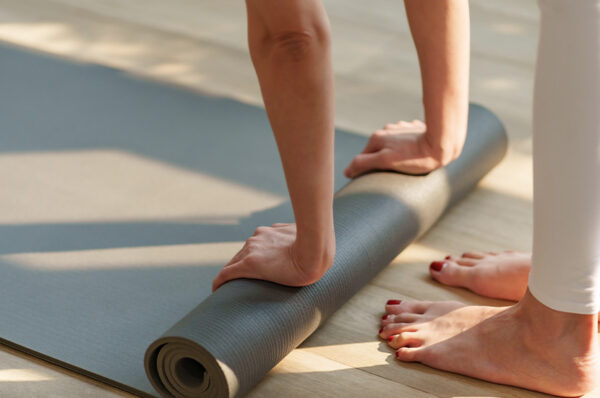
The conscious nature of yoga nidra makes this restoration process remarkably efficient, allowing you to direct attention precisely where tension exists and systematically release it. This targeted approach often proves more effective than passive rest, especially when supported by proper equipment like sustainable yoga mats that maintain comfort during extended practice sessions.
What should you expect during your first yoga nidra session?
During your first yoga nidra session, you’ll lie comfortably on your back while following gentle spoken guidance through systematic relaxation. Here’s what typically unfolds during a beginner session:
- Initial setup: Sessions last 20–45 minutes, beginning with finding a comfortable position and setting a personal intention (sankalpa)
- Body scanning: Mental awareness moves systematically from toes to head, observing sensations without trying to change anything
- Breath awareness: Gentle attention to natural breathing patterns helps deepen the relaxation response
- Guided visualisation: Peaceful imagery supports continued relaxation while maintaining gentle awareness
- Gradual return: Slow transition back to normal consciousness, often feeling refreshed and restored
- Common experiences: You might feel tingling, warmth, heaviness, lightness, or notice an active mind—all perfectly normal responses
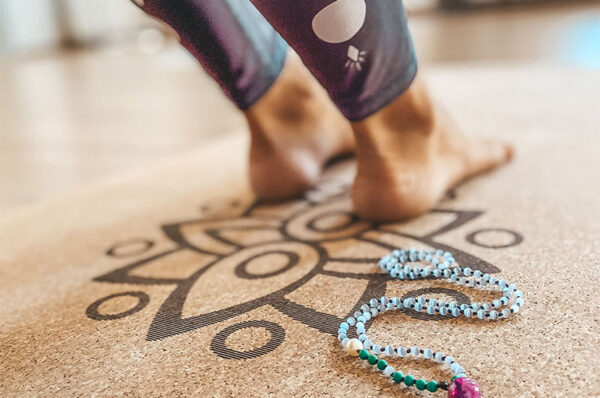
Don’t worry about “doing it wrong” or falling asleep completely, as both experiences are natural parts of learning this practice. Some people feel immediately refreshed while others need several sessions to notice significant benefits. The key lies in consistent practice and allowing whatever arises to unfold naturally, supported by comfortable equipment like an organic cotton yoga rug that enhances your ability to remain present and relaxed throughout the experience.
Yoga nidra offers a practical path to deep rest that doesn’t require years of meditation experience or special abilities. By maintaining gentle awareness while your body relaxes completely, you access a restorative state that can supplement and enhance your regular sleep. Whether you’re dealing with stress, insomnia, or simply want to explore deeper relaxation, yoga nidra provides tools for conscious rest that you can develop over time. At Samarali, we support your practice with thoughtfully designed yoga accessories made from organic cotton, packaged without plastic, helping you create a sustainable foundation for your wellness journey while honouring both personal health and environmental responsibility.
Browse our selection of thoughtfully crafted collection of sustainable yoga essentials—designed for mindful movement and made with respect for the planet.