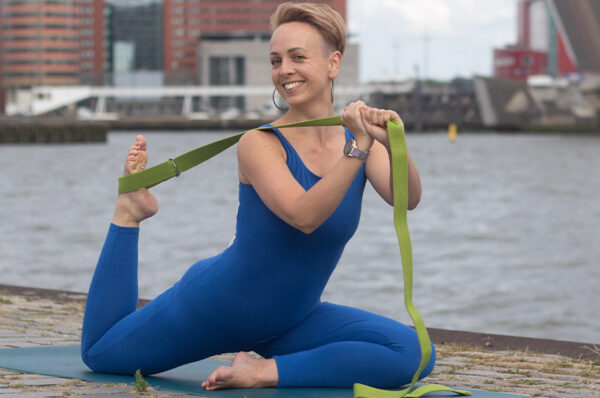



The best yoga poses for relaxation work by activating your body’s natural relaxation response through gentle stretching, deep breathing, and mindful positioning. Restorative yoga poses like child’s pose, legs up the wall, and gentle spinal twists help release physical tension while calming your nervous system. These calming yoga poses require minimal effort but deliver maximum stress relief, making them perfect for both beginners and experienced practitioners seeking immediate tranquility.
What makes the most relaxing yoga poses so effective for stress relief?
The most relaxing yoga poses trigger your parasympathetic nervous system, which controls your body’s rest and digest response. Effective yoga poses for relaxation and stress management share several key characteristics that make them particularly powerful for calming both mind and body:
- Forward folds – These compress your abdomen and naturally slow your heart rate while encouraging introspection
- Supported backbends – Gentle chest opening stimulates the vagus nerve, promoting deep relaxation
- Inversions – Elevating your legs above your heart improves circulation and calms the nervous system
- Minimal muscular effort – Poses that use props or gravity allow complete muscle surrender
- Sustained holds – Maintaining positions for 3-5 minutes gives your body time to fully relax
These yoga postures for relaxation work synergistically to shift your body from fight-or-flight mode into deep rest. The combination of gentle pressure on specific body points, improved blood circulation, and conscious breathing creates an ideal environment for stress release. When you hold these relaxing yoga positions for three to five minutes with mindful awareness, your body naturally releases calming hormones like serotonin and GABA while tension melts away from overworked muscles and joints, offering measurable relief that beginners can feel within a single session.
Which relaxing yoga poses should beginners try for instant stress relief?
Starting your yoga for relaxation practice doesn’t require advanced flexibility or years of experience. The beginner-friendly yoga poses for relaxation below deliver immediate calming benefits within minutes and can be practiced safely at home without special equipment. Each pose targets the most common physical symptoms of daily stress, including tight shoulders, a stiff lower back, and shallow breathing, making them ideal for busy professionals, parents, and anyone who needs accessible stress relief on demand:
- Child’s pose – Kneel and fold forward with arms extended, instantly grounding your energy and calming your mind
- Legs up the wall – Lie with legs elevated against a wall to relieve tired legs and reduce anxiety
- Gentle supine twists – Drop bent knees to each side while lying down to release lower back tension and aid digestion
- Cat-cow stretches – Move slowly between arching and rounding your spine to release spinal tension
- Supported fish pose – Place a pillow under your shoulder blades to gently open your chest and deepen breathing
These gentle yoga poses for beginners require no prior experience and can be practiced anywhere with minimal equipment. Each position yoga relaxation technique naturally encourages slower breathing and muscle release, making them perfect entry points into a therapeutic yoga practice. Whether you have five minutes during a stressful workday or a full evening to dedicate to deep restoration, these yoga poses to relax adapt to your schedule and consistently support better sleep quality, lower anxiety, and lasting physical tension relief.
How do you create the perfect environment for relaxing yoga practice?
Your practice environment plays a crucial role in maximizing the benefits of mindful yoga practice and achieving deeper relaxation states. The right setting amplifies the effectiveness of every yoga relaxation pose you hold, helping your nervous system shift into rest mode faster and more completely. Consider these essential elements for creating a calming home space that supports optimal stress relief and parasympathetic nervous system activation:
- Lighting and ambiance – Use dim, warm lighting or candles to signal to your nervous system that it’s time to unwind
- Temperature control – Maintain a comfortable room temperature that won’t distract from your practice
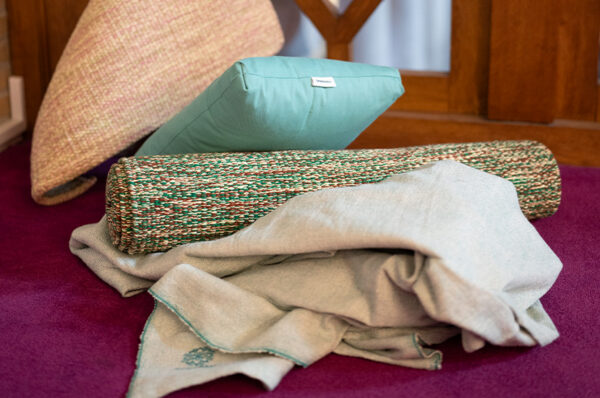
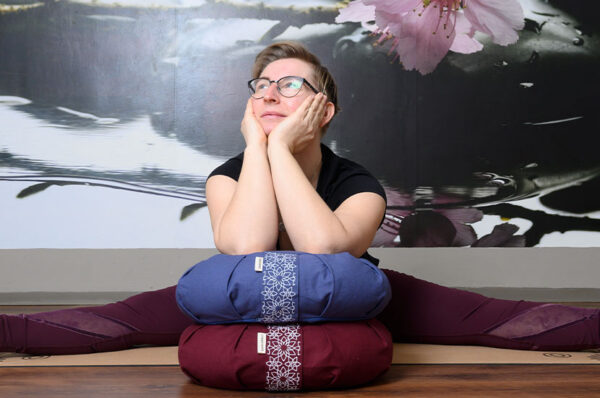
- Quality props – Invest in supportive bolsters, blocks, and blankets made from organic materials for enhanced comfort
- Aromatherapy – Incorporate calming essential oils like lavender or chamomile to deepen relaxation
- Digital detox – Switch off electronic devices to eliminate distractions and promote inner focus
- Sound considerations – Choose gentle background music, nature sounds, or complete silence based on your preference
Creating this supportive environment transforms your yoga poses to relax from simple stretching into a therapeutic healing ritual. The combination of sensory elements works together to signal your body and mind that this is dedicated time for restoration and stress recovery. When your external environment supports deep relaxation, your internal experience naturally deepens, allowing you to access greater levels of peace, reduced cortisol levels, and profound stress relief during every practice session, whether that session lasts five minutes or an hour.
What’s the best way to sequence yoga poses for deep relaxation and stress relief?
Smooth transitions from dynamic movement to deep rest require intentional pacing and specific sequencing techniques. Rushing this process undermines the therapeutic benefit of even the most effective yoga poses for relaxation, so following a structured wind-down sequence is essential for full nervous system regulation. Follow these evidence-based steps for optimal tension release yoga and a lasting shift from stress to stillness:
- Gradual cool-down – Slowly reduce the intensity of your movements rather than stopping abruptly
- Breath awareness – Deepen and lengthen your breathing to signal your nervous system to shift gears
- Hip openers – Include poses like butterfly or happy baby to release stored emotional tension
- Gentle twists – Perform seated or supine spinal twists to wring out remaining muscular tension
- Forward folds – Use supported child’s pose or seated forward fold to encourage introspection
- Final preparation – End with legs up the wall or supported backbend before complete relaxation
This thoughtful progression allows your heart rate to normalize naturally while your nervous system transitions from sympathetic to parasympathetic dominance. The key is spending adequate time in each transitional relaxation pose in yoga, typically two to five minutes per posture, since rushing defeats the therapeutic purpose of restorative practice. When you honor this process with patience and consistency, your yoga for better sleep and daily stress management becomes significantly more effective, creating lasting benefits that extend well beyond your yoga mats into improved energy, focus, and overall well-being.
Building a consistent yoga relaxation poses routine transforms both your physical wellbeing and mental clarity through regular nervous system training. These accessible stress-relief techniques work whether you have five minutes for emergency relaxation or an hour for deep restoration, providing reliable therapeutic benefits whenever you need them most. When combined with a dedicated meditation practice, your results deepen further and are strongly supported by current wellness research. At Samarali, we support your mindful yoga practice with sustainably crafted accessories made from organic cotton, packaged without plastic to honour both your wellness journey and our planet’s health.
Browse our collection of thoughtfully crafted sustainable yoga essentials, including organic cotton mats, bolsters, and props designed to support every relaxation pose in your practice, made with respect for the planet.