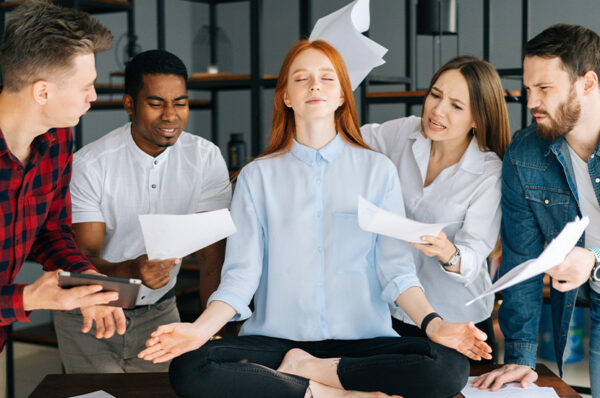


Busy professionals need practical discreet relaxation techniques that deliver immediate stress relief within 2-5 minutes without leaving their workspace or drawing colleague attention. Effective workplace methods include box breathing exercises, micro-meditation sessions, and progressive muscle relaxation specifically adapted for office environments. These discreet relaxation methods for office workers provide genuine physiological stress relief while maintaining professional appearance and productivity focus.
What are the most effective discreet relaxation techniques for busy professionals?
The most effective discreet relaxation methods for the workplace deliver immediate calm within 2-5 minutes and can be performed seamlessly at your desk without disrupting professional activities or alerting colleagues:
- Box breathing technique – Inhale for 4 counts, hold for 4, exhale for 4, hold for 4, which immediately activates your parasympathetic nervous system and reduces cortisol levels
- Progressive muscle relaxation – Start with shoulder tension release and work systematically through muscle groups, providing physical relief without drawing colleague attention
- 5-4-3-2-1 grounding method – Notice 5 things you see, 4 you touch, 3 you hear, 2 you smell, 1 you taste, which interrupts stress cycles by anchoring you in the present moment
- Desk-based stretches – Simple neck rolls, shoulder shrugs, and seated spinal twists release physical tension while appearing like normal work movements
- Mindful transition breathing – Three conscious breaths before emails, meetings, or phone calls that create mental reset points throughout your day
These discreet relaxation techniques for work excel because they integrate seamlessly into professional environments while providing genuine physiological stress relief. Box breathing activates the parasympathetic nervous system within minutes, steadily lowering cortisol and heart rate so you return to focused work faster. Progressive muscle relaxation targets the specific tension patterns that build from prolonged desk posture, working through the shoulders, jaw, and hands where office workers hold the most chronic stress. Mindful grounding exercises using the 5-4-3-2-1 sensory method interrupt the cognitive stress cycle without requiring you to close your eyes or step away from your screen, making them ideal discreet relaxation methods for public places like open offices and shared workspaces. Together, these discreet relaxation methods for office workers form a comprehensive stress toolkit that addresses both mental and physical workplace stress responses, making them sustainable solutions for high-pressure careers and demanding schedules.
How can busy professionals use discreet relaxation methods during meetings, at their desk, and between tasks?
Fitting workplace stress management into a packed schedule requires embedding discreet relaxation methods directly into the moments that already exist in your day rather than carving out separate time blocks. The most practical discreet relaxation techniques for work attach to natural transition points such as before a meeting begins, during a bathroom break, or in the seconds between closing one task and opening the next. Each of the following approaches is specifically designed for busy professionals who need stress relief that fits inside their existing professional activities without requiring privacy, equipment, or additional scheduling:
- Micro-break utilization – Transform 30-second to 2-minute transition periods between activities into stress relief opportunities, accumulating significant wellness benefits without schedule disruption
- Commute transformation – Convert existing travel time into recovery periods using breathing exercises during traffic, meditation apps on public transport, or mindful walking
- Calendar blocking strategy – Schedule 5-10 minute “mindfulness appointments” as non-negotiable meetings with yourself, placed strategically before high-pressure activities
- Habit stacking method – Attach relaxation techniques to existing routines like breathing while computers boot up, shoulder rolls during muted conference calls, or mindful breaths before entering rooms
- Energy dip optimization – Use natural afternoon energy lulls for brief relaxation practices instead of pushing through with caffeine or stimulants
This integrated approach transforms stress management from an additional burden into a seamless part of professional life. By anchoring discreet relaxation methods for work to existing cues such as the start of a meeting, a bathroom break, or the transition between tasks, busy professionals build consistency without requiring willpower or extra scheduling. Over time, these micro-practices compound into measurable reductions in baseline stress levels, sharper focus during high-stakes moments, and greater resilience across demanding workdays.
Why do traditional relaxation methods fail busy professionals in open offices and high-pressure work environments?
Traditional relaxation approaches frequently fail busy professionals because they are built around conditions that professional environments simply do not provide: uninterrupted quiet time, a private space, and the mental freedom to fully disengage from responsibilities. In open offices, co-working spaces, and back-to-back meeting schedules, those conditions are rarely available. For remote workers, the boundary between work demands and personal recovery is equally difficult to establish. Recognizing these specific failure points is the first step toward selecting discreet relaxation methods for work that hold up under genuine professional pressure rather than collapsing the moment a colleague walks over or a notification arrives:
- Time and environment mismatch – Conventional methods require lengthy sessions and quiet spaces that don’t exist in professional settings, creating immediate barriers to implementation
- Perfectionist sabotage – High-achieving professionals often abandon techniques when they can’t execute them “perfectly,” treating relaxation as another performance metric rather than flexible self-care
- Break-taking guilt – Deep-seated beliefs that stepping away from work is selfish or unproductive make professionals resistant to necessary recovery time, even when it improves performance
- All-or-nothing thinking – Starting with unsustainable ambitious routines that collapse under pressure, leading to complete abandonment rather than adaptive modification
- Mental chatter incompatibility – Simple “just relax” advice fails to address the constant stream of professional decisions, deadlines, and responsibilities occupying mental space
Recognizing these failure patterns is the foundation of effective workplace wellness. Discreet relaxation techniques that work for busy professionals must accommodate active thinking rather than requiring mental silence, prioritize consistent imperfect practice over occasional perfect sessions, and fit inside professional responsibilities rather than compete with them. When stress management is designed around how real workdays actually function, it becomes something professionals can sustain rather than something they abandon after the first disrupted attempt.
What’s the difference between quick discreet relaxation techniques and long-term stress prevention strategies for professionals?
Understanding the distinction between reactive relaxation and proactive stress prevention allows professionals to build a more complete and resilient approach to workplace wellness. Quick discreet relaxation techniques for work, such as box breathing and the 5-4-3-2-1 grounding method, function as on-demand interventions that interrupt the acute stress response within 2-5 minutes, making them ideal for use during meetings, between calls, or at your desk without drawing attention. Long-term prevention strategies, by contrast, target the upstream conditions that generate chronic stress in the first place, including workload boundaries, sleep consistency, recovery habits, and deliberate scheduling of low-stimulation periods. Relying on only one approach leaves significant gaps in professional resilience:
- Relaxation techniques – Immediate response tools like breathing exercises and muscle relaxation used during or after stressful moments to restore calm and return to baseline functioning
- Stress prevention strategies – Proactive systems including boundary setting, time management, regular exercise, and adequate sleep that build resilience and reduce stress accumulation before overwhelm occurs
- Timing differences – Relaxation addresses current stress symptoms while prevention builds long-term capacity to handle pressure more effectively
- Implementation approaches – Techniques require moment-to-moment application during stress, while strategies involve lifestyle and system changes that work continuously in the background
- Complementary functions – Relaxation serves as your emergency stress toolkit while prevention acts like your immune system, both essential for optimal workplace wellness
The most effective professional stress management combines both approaches strategically. Using relaxation techniques as immediate stress responses while simultaneously building prevention strategies creates a robust system that both handles current pressure and reduces future stress vulnerability, resulting in sustainable workplace wellness that actually functions under real-world professional demands.
Effective stress management for busy professionals is not about finding perfect conditions or extensive time blocks. It is about integrating discreet relaxation techniques into your existing routine and building both reactive and proactive strategies. The combination of quick workplace relaxation methods and long-term stress prevention creates a sustainable approach to professional wellness that holds up under real-world pressure, whether you are managing an open office, navigating back-to-back meetings, or working remotely.
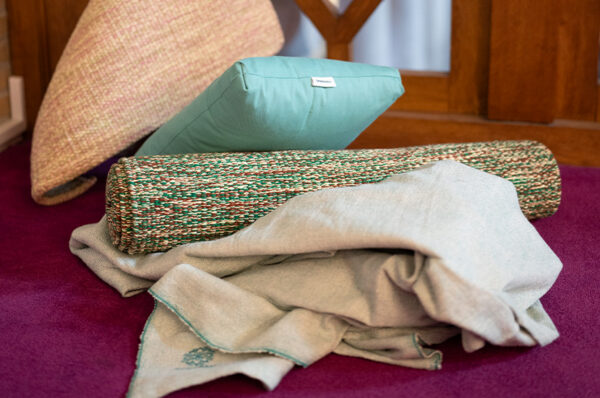
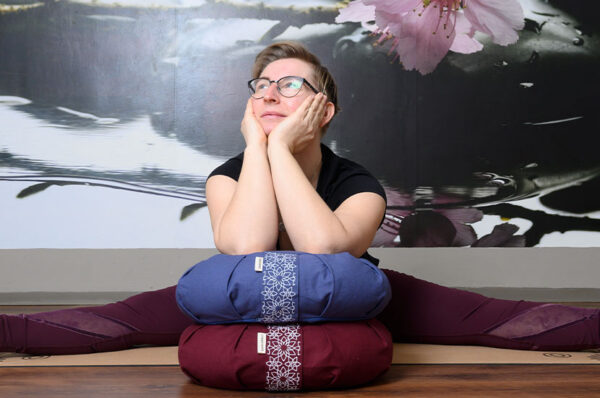
At Samarali, we understand that true wellness requires practical solutions that fit real lives. That’s why we create sustainable yoga and lifestyle products that support your mindfulness practice wherever you are. All our yoga mats and meditation gear uses organic cotton fabrics, and we avoid plastic in our product packaging, reflecting our commitment to both your wellbeing and environmental responsibility.
Browse our selection of thoughtfully crafted collection of sustainable yoga essentials—designed for mindful movement and made with respect for the planet.