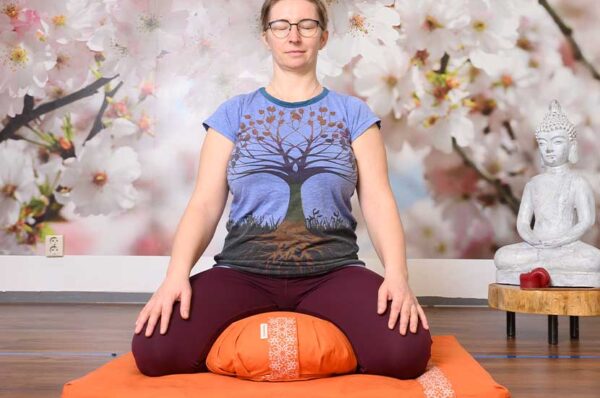



Mindful living techniques help students manage academic stress and improve focus through simple awareness practices. These include breathing exercises, mindful study habits, and conscious daily routines that reduce anxiety while enhancing concentration. Students need these techniques because academic pressure often overwhelms their natural ability to stay present and calm.
What are mindful living techniques and why do students need them?
Mindful living techniques are awareness-based practices that help you stay present and focused in daily activities. Key components include:
- Breathing exercises – Simple techniques that regulate your nervous system and provide immediate stress relief during overwhelming moments
- Meditation practices – Regular sessions that build mental resilience and improve your ability to concentrate for extended periods
- Mindful eating – Conscious attention to meals that reduces stress eating and creates natural breaks for mental restoration
- Present-moment awareness – Observing thoughts and surroundings without judgment while developing better emotional regulation
These practices work together to create a comprehensive approach to stress management that fits naturally into student life. By developing awareness of your thoughts, emotions, and physical sensations, you gain the tools needed to navigate academic challenges with greater calm and clarity.
Students particularly benefit from mindful practices because academic life creates unique stressors that traditional coping methods do not always address effectively. University and college environments bombard you with deadlines, social pressures, financial concerns, and constant information overload. Your mind often races between past assignments and future exams, making it difficult to concentrate on present tasks.
Academic pressure triggers stress responses that actually impair learning and memory formation. When you are anxious about grades or overwhelmed by coursework, your brain shifts into survival mode rather than optimal learning mode. Mindful living techniques help restore balance by activating your parasympathetic nervous system, which supports better cognitive function and emotional stability.
Regular mindfulness practice also improves your ability to manage the social and emotional challenges of student life. Living away from home, forming new relationships, and navigating increased independence can feel overwhelming. Mindful techniques provide tools for processing these experiences with greater self-awareness and less reactive behavior.
How can students practice mindfulness without adding more stress to their schedule?
Students can integrate mindfulness into existing routines through strategic micro-practices that require minimal time investment. Effective integration strategies include:
- Transition mindfulness – Using the time between classes or activities for brief awareness practices instead of rushing or worrying
- Study break meditation – Replacing social media scrolling with 2-3 minute breathing exercises for better mental refreshment
- Mindful walking – Paying attention to footsteps and breathing while moving between locations rather than frantically reviewing notes
- Conscious breathing during routine tasks – Taking three deep breaths before opening laptops, books, or entering new spaces
- Mindful eating moments – Eating the first few bites of meals slowly and attentively to create natural stress relief
This integration approach transforms ordinary activities into opportunities for stress reduction and mental clarity. Rather than viewing mindfulness as another item on your to-do list, these techniques become seamless parts of your day that actually enhance productivity and well-being simultaneously.
Micro-mindfulness techniques work particularly well for busy student schedules because they accumulate throughout the day to create significant stress relief. Transform your study breaks into mindful moments that refresh your mind more effectively than passive screen time while requiring no additional time commitment.
Consider mindful studying techniques that enhance both learning and well-being simultaneously. Before reading, spend a moment setting an intention for what you want to learn. Take conscious breaths between paragraphs. Notice when your mind wanders and gently return your attention to the material without self-criticism.
What simple mindful habits can students start today for better focus and less stress?
Students can immediately implement beginner-friendly practices that provide noticeable benefits within days. Essential starter habits include:
- 4-7-8 breathing technique – Inhale for 4 counts, hold for 7, exhale for 8, repeat 3-4 times before exams or during overwhelming moments
- Daily mindful eating practice – Choose one meal to eat slowly without devices, focusing on flavors and hunger signals
- Phone-free study zones – Designate specific areas and times for focused work without digital distractions
- Five-minute morning routine – Notice body sensations upon waking and set daily intentions before checking devices
- Conscious technology pauses – Ask yourself what you hope to gain before opening social media apps
- Mindful study preparation – Begin each session with one minute of conscious breathing to center attention
These habits work because they address both the symptoms and root causes of student stress while building sustainable practices for long-term well-being. Starting with just one or two techniques allows you to build confidence and experience benefits before expanding your mindful living toolkit.
The 4-7-8 breathing exercise works especially well for students because you can do it anywhere without anyone noticing. This technique quickly activates your relaxation response and improves mental clarity, making it perfect for use before exams, during study sessions, or when feeling overwhelmed by coursework.
Develop mindful study environments that support both focus and stress reduction. Place devices in another room or use apps that block distracting websites. This preparation significantly improves focus quality and learning efficiency while reducing the mental fatigue that comes from constant digital interruptions.
Mindful living techniques offer students practical tools for managing academic stress while improving focus and overall well-being. These practices work because they address the root causes of student anxiety rather than just the symptoms. By incorporating simple awareness techniques into existing routines, you can develop resilience and mental clarity that support both academic success and personal growth. Creating dedicated spaces for mindfulness practice can enhance these benefits – consider using a meditation mat for comfortable seated practices or exploring yoga as a complementary mindful movement practice. At Samarali, we understand the importance of creating supportive environments for mindful practices, which is why all our yoga and meditation gear uses organic cotton fabrics and plastic-free packaging to support both your wellness journey and environmental consciousness.
Browse our selection of thoughtfully crafted collection of sustainable yoga essentials—designed for mindful movement and made with respect for the planet.