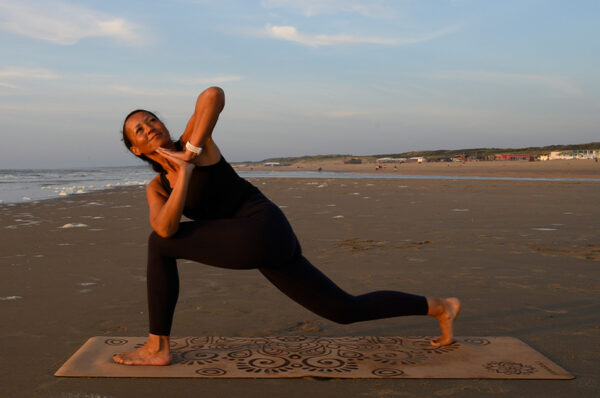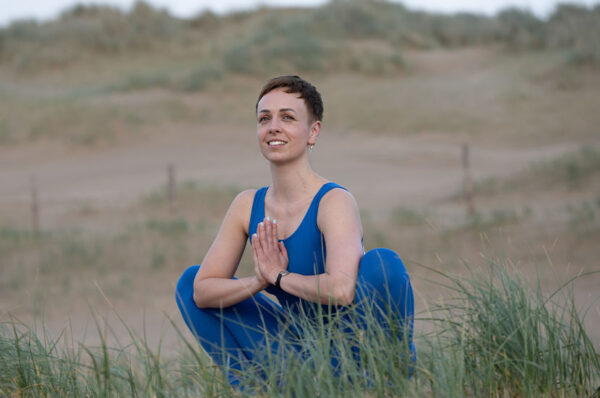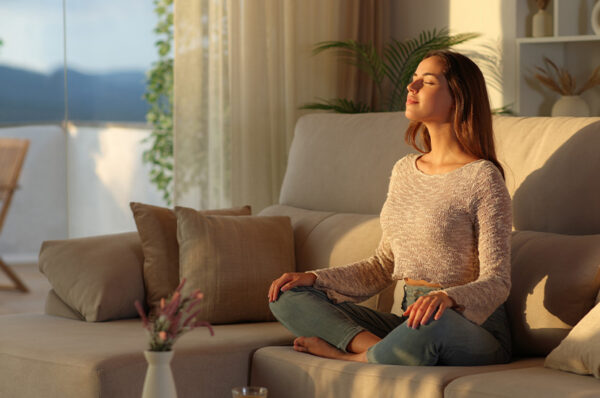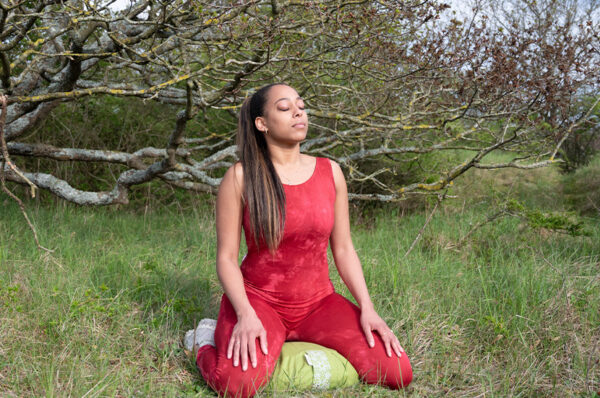



Setting up a home yoga space requires choosing the right location, gathering basic equipment, and creating a calming atmosphere that supports your practice. A successful yoga setup at home needs adequate floor space, proper lighting, and quality props to establish your personal sanctuary. The key is designing a dedicated area that feels peaceful and motivates you to practise regularly, whether you have a full room or just a corner of your living space for your yoga set up.
Essential Requirements for Your Home Yoga Setup: Location and Space Planning
A successful yoga setup at home combines practical space requirements with peaceful energy to support consistent practice. Understanding these essential elements helps you create an effective practice environment regardless of your available space:
- Space requirements: You need a minimum 6×4 foot area that allows full arm and leg extensions in all directions without obstruction
- Flooring considerations: Hard surfaces like wood or tile work best with a quality yoga mat, whilst carpeted areas may require additional grip solutions
- Ceiling height: Ensure adequate overhead clearance for standing poses with raised arms and jumping transitions
- Natural light access: Choose locations with windows that provide uplifting natural illumination during daytime practice
- Ventilation quality: Good air circulation prevents stuffiness and maintains fresh oxygen flow throughout your session
- Noise control: Avoid areas near televisions, busy walkways, or street noise that can disrupt concentration
- Temperature stability: Select spaces with climate control options to prevent overheating or uncomfortable cold
These practical considerations work together to create an environment where you can focus inward without physical discomfort or external distractions. Location often matters more than size when planning your yoga set up – a quiet corner of your bedroom can serve your practice better than a large but noisy living area. Even if you’re working with limited space, choosing an area you can easily clear and prepare for each yoga session ensures consistency in your home practice routine while maintaining the peaceful atmosphere essential for mindful movement.
Essential Yoga Equipment for Your Home Setup: Complete Equipment Guide
Building an effective home yoga setup requires fewer items than you might expect, but choosing the right equipment makes a significant difference in your practice quality. Here are the essential pieces that will support your yoga set up at home:
- Quality yoga mat: Your most important investment, providing grip, cushioning, and a defined practice boundary – choose sustainable materials like natural rubber or organic cotton
- Yoga blocks (2): Support proper alignment and make challenging poses accessible whilst building flexibility safely
- Yoga strap: Assists with binding poses and helps you reach your feet in seated forward folds without straining
- Bolster: Essential for restorative poses and meditation, providing comfortable support for longer holds
- Storage solutions: A basket or small shelf keeps props organised and maintains the peaceful atmosphere between sessions
These fundamental props serve practitioners at every level, from beginners learning basic alignment to advanced yogis deepening their practice safely. Quality matters more than quantity when selecting equipment for your yoga setup at home – sustainable accessories made from organic cotton, natural cork, and eco-friendly materials not only perform better but also align with the mindful living principles that yoga encourages. Investing in durable, environmentally responsible props supports both your personal practice and planetary wellbeing while providing years of reliable use in your home yoga space.
Creating the Perfect Atmosphere for Your Home Yoga Practice
The atmosphere of your yoga space profoundly influences your ability to focus and connect with your practice. Consider these elements when designing your environment:
- Lighting design: Utilise soft, natural light for daytime practice and gentle candles or dim lamps for evening sessions, avoiding harsh overhead lighting
- Sound management: Control distractions through soft background music or nature sounds, whilst some practitioners prefer complete silence for deeper introspection
- Visual elements: Remove clutter and add minimal, meaningful decorations like plants or inspiring artwork that promote calmness without distraction
- Scent enhancement: Use essential oils or incense sparingly – lavender for relaxation, eucalyptus for energy – without overwhelming your breathing exercises
- Air quality: Maintain fresh circulation and comfortable temperature that allows natural warming during practice
These atmospheric elements work synergistically to create a sanctuary that supports both physical practice and mental focus. The goal is crafting an environment that immediately signals to your mind and body that it’s time to turn inward, away from daily stresses and toward mindful movement and breath awareness.
Creating a dedicated home yoga space doesn’t require perfection or extensive resources. Start with the basics for your yoga setup at home – adequate room, a good mat, and a peaceful atmosphere – then gradually add elements that enhance your practice experience. The most important aspect is consistency in using your space regularly to build a sustainable home practice routine. At Samarali, we believe that sustainable, thoughtfully designed yoga accessories support both your personal practice and environmental wellbeing. Our organic cotton props and plastic-free packaging reflect our commitment to mindful living that extends beyond the mat into everyday choices that benefit both you and the planet.
Browse our selection of thoughtfully crafted collection of sustainable yoga essentials—designed for mindful movement and made with respect for the planet.