


Starting a home yoga practice requires nothing more than comfortable clothing and a small space where you can stretch your arms freely. You don’t need expensive equipment or perfect flexibility to begin your yoga journey at home. This guide covers the basics of setting up your practice space, learning fundamental poses, and creating realistic routines that build consistency and confidence for beginner yoga at home.
What do you actually need to start practicing yoga at home?
You need surprisingly little to begin your home yoga practice. The essential requirements include:
- Comfortable clothing – Choose breathable fabrics that allow free movement without restriction
- A quiet space – About 6 feet by 3 feet provides enough room for most beginner poses
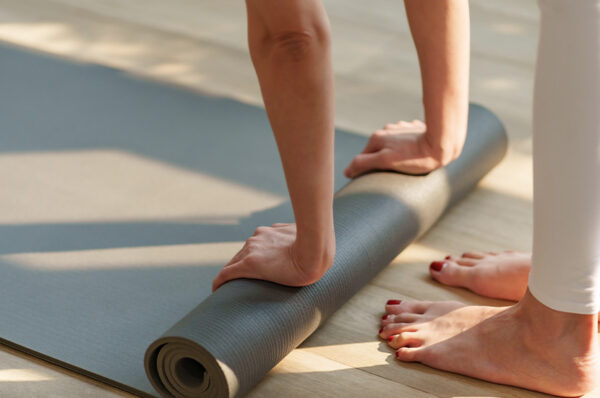
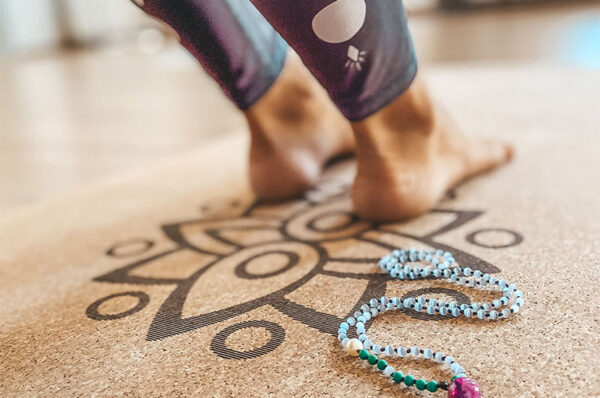
- A non-slip surface – A yoga mat offers ideal grip and comfort, but a towel on carpet works initially
- Distraction-free environment – Remove phones, television, and other interruptions to maintain focus
These minimal requirements make yoga accessible to everyone, regardless of budget or living situation. Your living room, bedroom, or any clear floor space works perfectly, proving that consistency matters far more than having expensive equipment or the perfect setup.
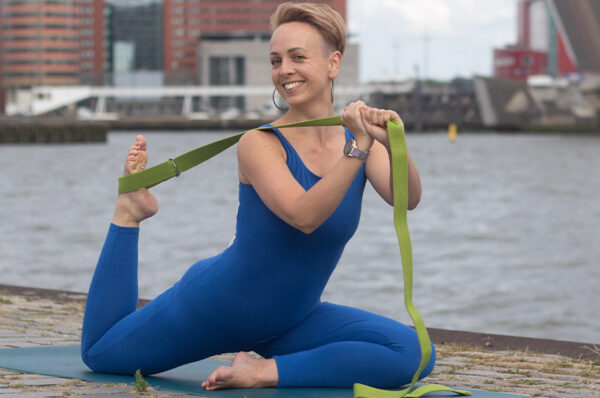
Many beginners think they need extensive yoga equipment for beginners, but this misconception prevents people from starting. If you choose to add props later, consider sustainable yoga options made from natural materials. A basic yoga block can help with poses that require more flexibility, and a strap assists with stretches. However, household items work just as well initially – books replace blocks, and a belt or towel substitutes for a strap.
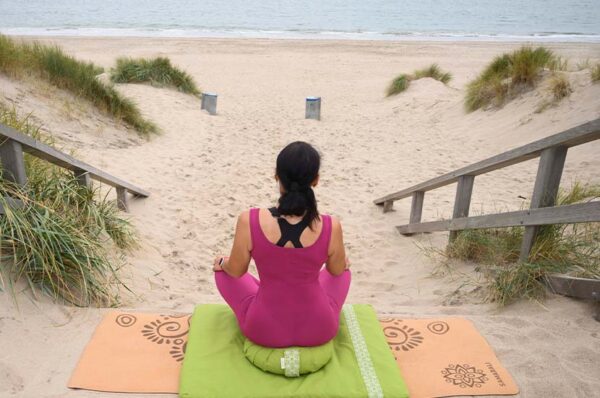
Your practice space should feel calm and welcoming with good ventilation and natural light when possible. The most important factor is creating a consistent environment where you feel comfortable exploring movement and breath.
Which yoga poses should complete beginners learn first?
Focus on mastering these foundational beginner yoga poses before progressing to more complex movements:
- Mountain Pose – Teaches proper alignment by standing with feet hip-width apart, engaging leg muscles, and lengthening the spine
- Downward-Facing Dog – Builds arm and shoulder strength while stretching the back and hamstrings through an inverted V-shape
- Child’s Pose – Provides gentle rest and hip opening by kneeling and folding forward with arms extended
- Cat-Cow stretches – Warms up the spine through alternating arching and rounding movements on hands and knees
These yoga basics create a solid foundation for your entire practice by developing strength, flexibility, and body awareness simultaneously. Mountain Pose may appear simple but develops the postural awareness you’ll use in every other pose, while Downward-Facing Dog becomes a home base you’ll return to throughout your practice. Child’s Pose offers a safe retreat whenever you need rest, and Cat-Cow movements prepare your spine for more challenging poses as you progress.
How long should your first home yoga sessions be?
Structure your beginner practice with these time guidelines:
- Week 1-2: 10-15 minutes, three times per week – Focus on basic poses and breathing awareness
- Week 3-4: 20-30 minutes – Add more poses while maintaining the same frequency
- Session structure: 5 minutes warm-up, 10-15 minutes poses, 5 minutes relaxation – This provides a complete yoga for beginners experience
- Track your practice – Note how you feel before and after each session to understand what works best
Short, consistent practices prove far more effective than occasional long sessions because your body needs time to adapt to new movements while your mind develops focus and breathing awareness. Building consistency creates lasting habits that enhance your daily life rather than adding stress to your schedule.
Many beginners make the mistake of starting with hour-long sessions and then abandoning their practice when it feels unsustainable. Listen to your body rather than pushing through discomfort, and remember that even 10 minutes of mindful movement provides genuine benefits. Your practice should grow naturally as your strength and interest develop.
Starting yoga at home opens the door to a lifelong practice of mindful movement and stress relief. Focus on consistency over perfection, listen to your body, and remember that every expert practitioner once stood exactly where you are now. Your home yoga journey begins with a single breath and one simple pose.
At Samarali, we support your sustainable yoga journey with eco-friendly yoga accessories crafted from organic cotton. Our commitment to environmental responsibility means you can enhance your practice while caring for the planet – all our yoga sets and meditation gear use organic materials, and we avoid plastic in our product packaging entirely.
Browse our selection of thoughtfully crafted collection of sustainable yoga essentials—designed for mindful movement and made with respect for the planet.