


For most people, 10-20 minutes of daily meditation provides significant wellness benefits without feeling overwhelming. Beginners should start with just 5-10 minutes to build consistency, while experienced practitioners can extend sessions to 20-45 minutes based on their goals. The key is finding a sustainable daily meditation duration that fits your lifestyle and gradually building your mindfulness practice over time.
How long should you meditate daily: beginner vs experienced practitioner durations
Beginners should start with 5-10 minutes daily to establish a consistent meditation routine without creating pressure or burnout. This shorter duration allows you to develop the habit of sitting quietly and focusing your attention without feeling restless or discouraged.
Your meditation capacity develops gradually, much like physical fitness. When you are new to meditation, your mind is not accustomed to sustained focus, and longer sessions can feel frustrating rather than beneficial. Starting with short daily sessions of 5 minutes builds confidence, creates positive associations with your practice, and answers the common question of how long should you meditate every day when you are just beginning: long enough to feel present, short enough to stay consistent.
The progression from beginner to experienced practitioner follows predictable patterns:
- Weeks 1-4: 5 minutes daily – Focus on establishing the habit and getting comfortable with basic breathing techniques
- Weeks 5-8: 8 minutes daily – Begin noticing improved ability to return attention to your breath when mind wanders
- Weeks 9-12: 12 minutes daily – Experience longer periods of sustained focus and deeper relaxation
- Months 4-6: 15-20 minutes daily – Develop consistent mindfulness skills that carry into daily activities
- 6+ months: 20-45 minutes daily – Achieve deeper states of awareness and significant stress reduction
This gradual approach prevents meditation from feeling overwhelming while building the mental stamina needed for longer sessions. Experienced practitioners naturally develop the capacity for extended meditation because their minds have learned to settle more quickly and maintain focus with less effort. What is the advised duration for daily meditation practice to build a lasting habit? The answer is to progress at your own pace, typically adding 2-3 minutes every two weeks, rather than forcing longer durations before you are ready. Consistency at a shorter length will always outperform occasional longer sessions when it comes to building a sustainable mindfulness routine.
How meditation duration affects wellness benefits: finding your ideal meditation time
Research suggests that 10-20 minutes of daily meditation provides substantial stress reduction, improved focus, and better emotional regulation. Longer sessions do not necessarily multiply these benefits proportionally, and the sweet spot for most people falls within this timeframe. For those wondering how long should I meditate every day to see real results, studies point to this 10-20 minute window as the threshold where measurable changes in cortisol levels, attention span, and emotional resilience begin to appear consistently.
Different wellness benefits emerge at specific meditation durations:
- 5-10 minutes: Basic stress relief – Activates the relaxation response and reduces cortisol levels
- 10-15 minutes: Improved focus – Strengthens attention span and reduces mental chatter
- 15-20 minutes: Emotional regulation – Develops better responses to stress and increased emotional stability
- 20-30 minutes: Enhanced self-awareness – Deepens understanding of thought patterns and mental habits
- 30+ minutes: Profound mental clarity – Accesses deeper states of consciousness and insight
Understanding these duration-based benefits helps you choose session lengths that match your current wellness goals. While longer sessions can provide deeper experiences, the relationship is not linear as doubling your meditation time does not double the benefits. Quality of attention matters more than quantity of time, and a focused 15-minute session often delivers more wellness value than a distracted 45-minute one. For most wellness-conscious practitioners, the ideal meditation time sits between 10 and 20 minutes per day, offering the strongest balance between time investment and measurable mental health outcomes.
How long should you meditate in the morning for maximum wellness impact?
Morning meditation between 6-8 AM for 10-15 minutes typically provides the most wellness benefits because your mind is naturally calmer and less cluttered with daily concerns. On busy mornings, even a focused 5-minute session preserves the habit and delivers meaningful stress-reduction benefits. For deeper practice days, extending to 15-20 minutes allows time for breathwork, body scanning, or guided visualization before the demands of the day take over. This flexible approach to morning meditation duration ensures consistency regardless of your schedule.
Each time of day offers distinct advantages for your meditation practice:
- Early morning (6-8 AM): Peak mental clarity – Mind is naturally quiet, cortisol regulation is most effective, and fewer distractions exist
- Mid-morning (9-11 AM): Sustained energy – Good alternative if early morning doesn’t work, still offers mental freshness without afternoon fatigue
- Lunch time (12-2 PM): Midday reset – Provides stress relief during busy workdays and helps maintain afternoon productivity
- Early evening (5-7 PM): Transition support – Helps decompress from work stress and creates healthy boundary between work and personal time
- Before bed (8-9 PM): Sleep preparation – Promotes relaxation and better sleep quality, but avoid meditating too close to bedtime
The optimal timing depends on your natural energy rhythms, schedule constraints, and wellness goals. Morning sessions tend to create the most lasting impact throughout your day, while evening practice supports better sleep and stress processing. Consistency at whatever time you choose matters more than finding the theoretically perfect moment. If you are asking how long should I meditate in the morning specifically, starting with 10 minutes before checking your phone or email is a practical entry point that most people can sustain long-term.
How long should you meditate every day to build lasting habits?
Anchor your meditation to an existing habit and create a dedicated space that signals it is time to practice. Start with just 5 minutes daily at the same time and place, focusing on consistency rather than perfection to build a sustainable meditation routine. Research on habit formation shows that pairing a new behavior with an established one, such as meditating immediately after your morning coffee or before brushing your teeth at night, significantly increases the likelihood of long-term adherence regardless of session length.
Building lasting meditation habits requires strategic approaches that work with your psychology:
- Habit stacking: Link to existing routines – Attach meditation to established habits like morning coffee or evening tooth brushing
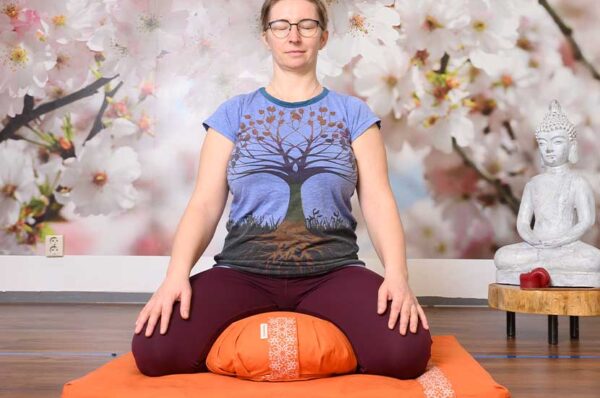
- Environmental cues: Create a dedicated space – Designate a specific spot with comfortable meditation cushions that triggers your brain to shift into meditation mode
- Start ridiculously small: Begin with 2-5 minutes – Make the initial commitment so easy that skipping feels harder than doing it
- Track feelings, not performance: Focus on outcomes – Notice how you feel before and after sessions rather than judging your meditation “success”
- Expect wandering minds: Normalize the process – Understand that noticing distraction and returning to focus IS the meditation practice
- Build flexibility: Allow imperfect sessions – Some days will feel easier than others, and maintaining the routine matters more than perfect execution
These strategies work together to create a sustainable practice that grows naturally over time. The key is removing friction from starting your sessions while building positive associations with the experience. A practical progression to follow is 5 minutes daily in week one, 8 minutes in week two, 12 minutes in week three, and 15 minutes by week four. This gradual build answers the question of how long should you meditate for each day at every stage of your journey, giving you a clear roadmap rather than leaving you guessing. When meditation becomes as automatic as brushing your teeth, you have successfully integrated it into your lifestyle for long-term wellness benefits.
Finding the right daily meditation duration for your wellness journey takes experimentation and patience. Whether you meditate for 5 minutes or 30 minutes, consistency trumps duration every time. Consider investing in quality meditation cushion sets or a dedicated meditation mat to create a supportive environment for your practice. At Samarali, we understand that sustainable wellness practices need to fit seamlessly into your life, which is why all our meditation accessories are crafted from organic cotton and packaged without plastic, supporting both your mindfulness practice and environmental values.
Browse our selection of thoughtfully crafted collection of sustainable yoga essentials—designed for mindful movement and made with respect for the planet.