


Knowing how long to hold yoga poses is one of the most important factors in building real, lasting flexibility. The ideal yoga pose hold time for flexibility improvement ranges from 30 to 90 seconds, with beginners starting at 15–30 seconds and gradually working up as their body adapts. This timeframe gives muscles enough time to move past the initial stretch reflex and begin genuine lengthening, without risking strain or injury. Different poses require varying hold times based on the muscle groups involved, the depth of the stretch, and your current experience level.
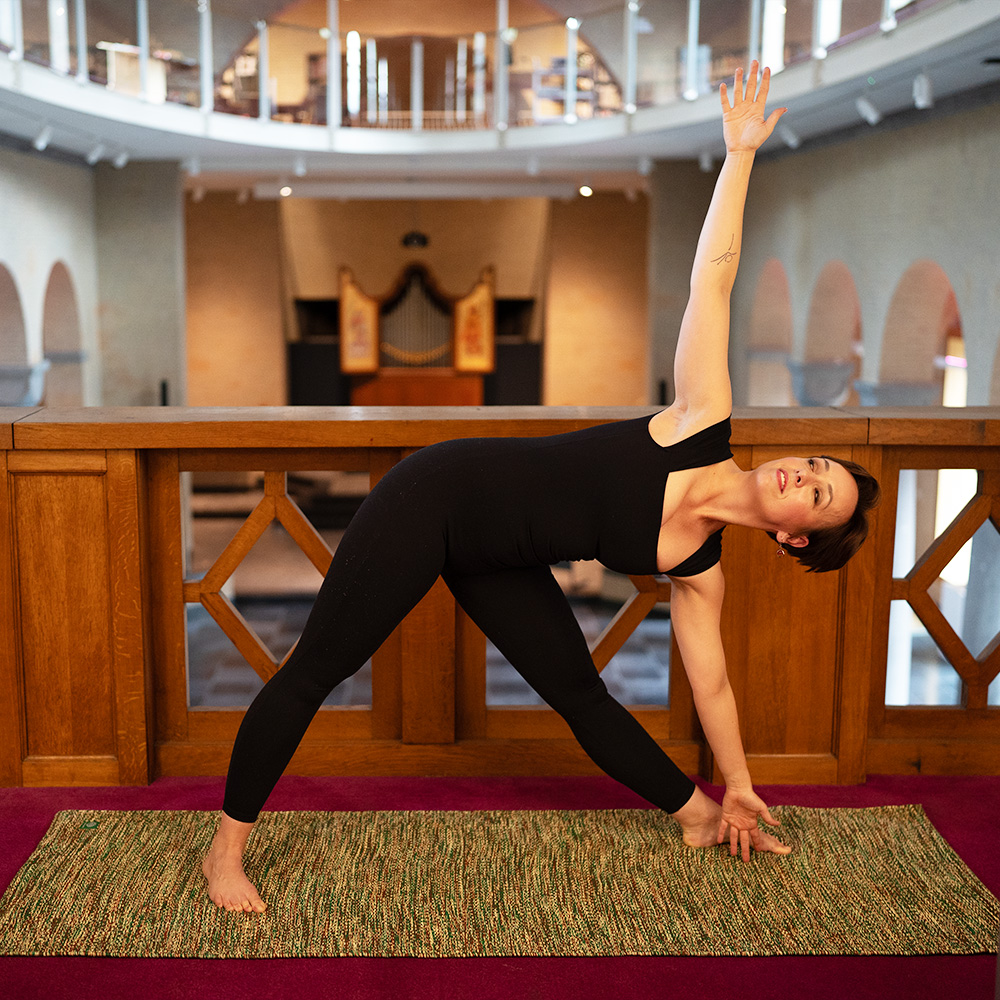
What’s the ideal time to hold yoga poses for flexibility gains?
For optimal flexibility improvement, hold yoga poses for 30 to 90 seconds. This duration gives your muscles sufficient time to release tension and gradually lengthen, promoting genuine flexibility gains rather than temporary stretching. Shorter holds under 20 seconds rarely produce lasting change, while holds in the 30–90 second window consistently support connective tissue adaptation over time.
Static holds work differently than dynamic movements in your flexibility practice. During a static hold, your nervous system needs approximately 20–30 seconds to send the signal that allows muscle fibers to begin releasing. This is when the Golgi tendon organ overrides the initial stretch reflex, permitting your muscles to safely extend beyond their habitual range. The real flexibility work happens in the seconds after that initial release, which is precisely why holding yoga poses for at least 30 seconds produces measurably better results than shorter, repeated movements.
The 30–90 second range targets different aspects of flexibility development:
- Shorter holds (30–45 seconds) – Help maintain current flexibility levels and work well for daily practice, allowing consistent muscle engagement without fatigue
- Longer holds (60–90 seconds) – Actively improve your range of motion by encouraging deeper muscle lengthening and increased joint mobility through sustained stretching
- Breathing integration – Extended holds provide time for steady, deep breaths that help your body relax progressively with each exhale
This strategic approach to yoga pose hold times creates a foundation for sustainable flexibility development. By understanding how different durations serve specific purposes, whether you are a beginner holding for 15–30 seconds or an experienced practitioner sustaining poses for 60–90 seconds, you can customize your practice to match your current needs while building toward a greater range of motion over time.

How long should you hold a yoga pose for beginners versus experienced practitioners?
If you are new to yoga, start with 15–30 second holds to build strength and body awareness safely. This shorter duration prevents overstretching while giving your muscles and connective tissue time to adapt to new movement patterns. Holding yoga poses in this range also builds the breath control and concentration needed to sustain longer holds as your practice develops.
Your progression timeline should follow a structured approach:
- Weeks 1-3: 15–20 seconds – Focus on proper alignment and breathing patterns while building basic pose familiarity
- Weeks 4-6: 30 seconds – Increase duration as poses feel more comfortable and strength improves
- After 6 weeks: 45–60 seconds – Extend holds for deeper flexibility work once foundation is established
- Advanced practitioners: 2–3 minutes – Particularly beneficial in restorative poses or deep hip openers for profound muscle release
This progressive approach respects your body’s natural adaptation process while preventing injury. Pay close attention to your body’s signals throughout this progression: muscle trembling, sharp pain, or difficulty breathing deeply are clear signs to reduce your hold time. Quality yoga mats with reliable grip help you maintain alignment comfortably during longer holds, making it easier to focus on breath and sensation rather than stability. Building endurance happens naturally when you honor your current limits rather than forcing yourself to go longer.
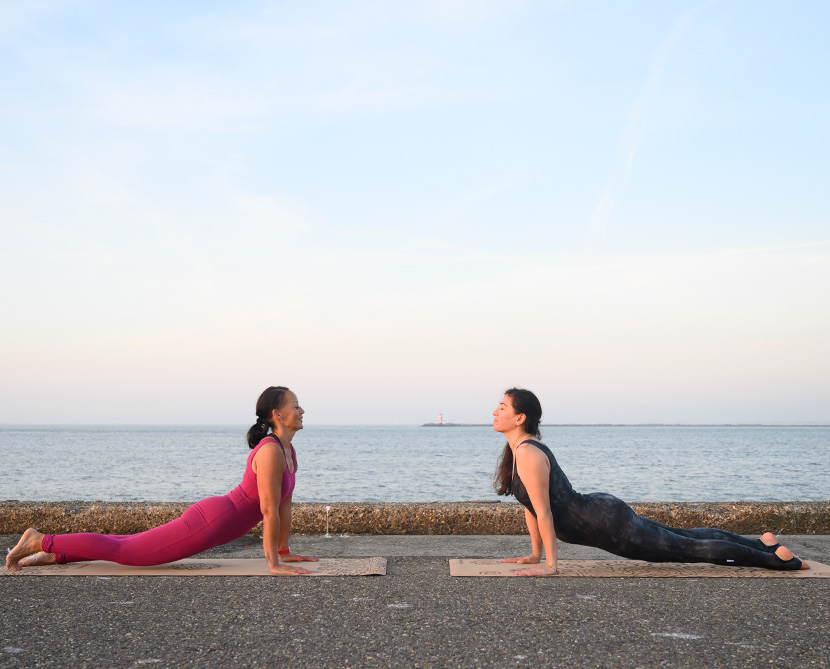
Why do some yoga poses require different holding times than others?
Different pose categories require varying hold times because muscle groups respond at different rates, and some positions demand more time for safe, effective stretching. For example, deep hip openers and restorative poses often benefit from holds of 60–120 seconds, while standing poses and backbends typically call for 20–45 seconds to avoid joint strain. Understanding the specific requirements of each pose type allows you to apply the right yoga pose hold time for maximum benefit:
- Standing poses (30–45 seconds) – Warrior II and Triangle engage multiple muscle groups simultaneously, requiring significant strength that makes longer holds challenging
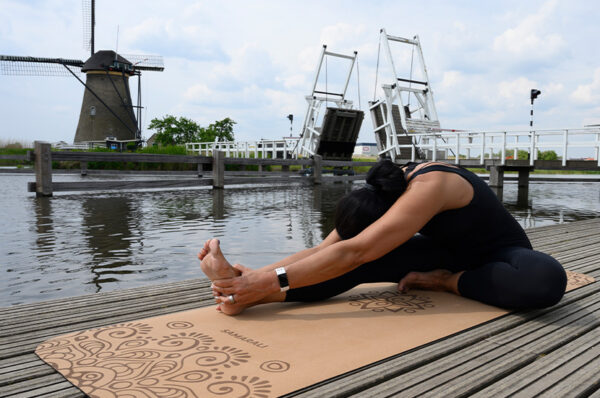
- Seated poses and forward folds (60–90+ seconds) – Allow gravity to assist stretching while requiring less muscular effort, giving hamstrings and hip flexors time to release tension
- Backbends (30–45 seconds for gentle, shorter for deep) – Need careful timing due to intensity, allowing spine to open gradually without strain
- Twisting poses (45–60 seconds each side) – Spine requires adequate time to rotate safely through its range of motion without rushing
- Hip openers (2–3 minutes when warmed up) – Deep poses like Pigeon benefit from extended holds, though beginners should start with 30–45 seconds
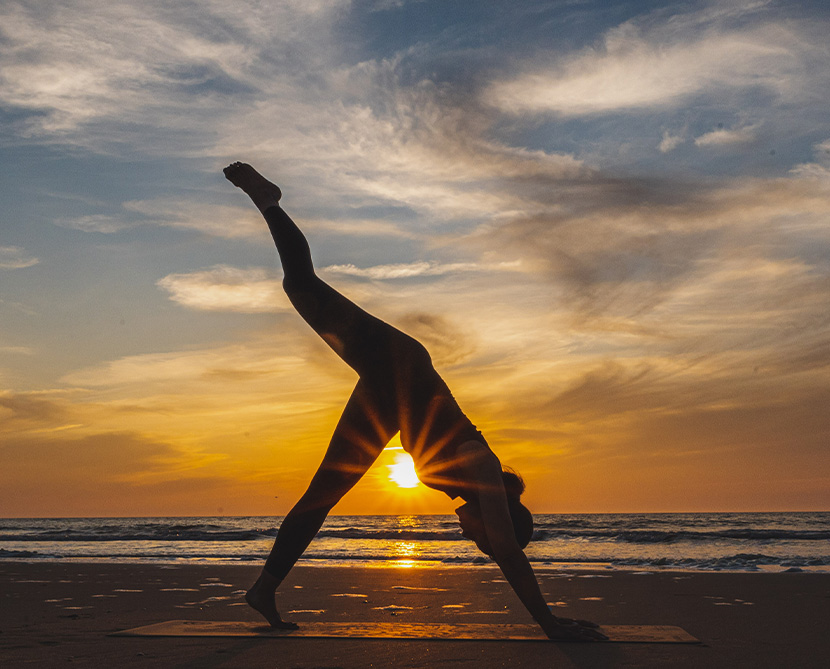
These timing variations reflect the unique biomechanical demands and safety considerations of each movement pattern. Applying the right hold time for each pose type means your practice works smarter, not just longer, delivering steady flexibility gains while keeping injury risk low. Accessories like a yoga bolster are especially useful for sustaining longer holds in restorative and hip-opening poses, providing the support your body needs to relax fully into the stretch. For practitioners building a complete, well-supported practice, our yoga sets offer everything needed to hold poses safely and comfortably across all durations and pose types.
Understanding how long you should hold yoga poses is the foundation of a flexible, sustainable practice. The core principles are clear: beginners benefit most from 15–30-second holds, intermediate practitioners see real flexibility gains in the 30–60-second range, and advanced yogis can work toward 60–90-second holds for greater structural change. Consistency, breath awareness, and gradual progression matter far more than hitting a perfect number every session. When you are ready to support your practice with the right equipment, browse our collection of sustainable yoga essentials, including mats, bolsters, and yoga sets designed for mindful, long-term practice.