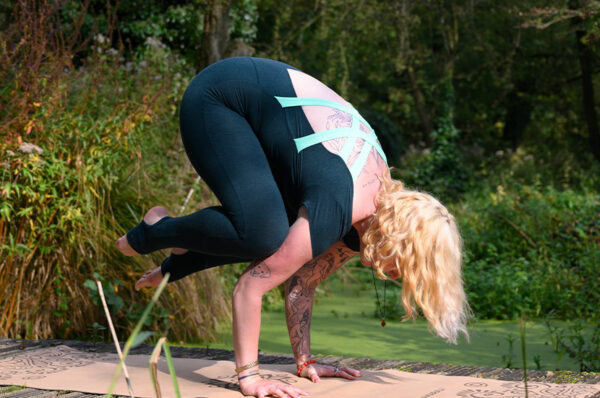



Yoga for fibromyalgia offers gentle movement, stress reduction, and pain management benefits specifically suited to this chronic condition. The practice combines breathing techniques, mindful movement, and relaxation to help reduce muscle tension, improve sleep quality, and break pain cycles without overwhelming sensitive systems. This approach addresses both physical symptoms and the emotional challenges of living with chronic pain.
What is fibromyalgia and why does gentle movement help?
Fibromyalgia is a chronic pain condition that affects muscles, soft tissues, and the nervous system, causing widespread pain, fatigue, and tender points throughout the body. People with fibromyalgia often experience heightened pain sensitivity, sleep disturbances, and muscle stiffness that can make traditional exercise feel impossible.
Gentle movement like yoga helps because it works with your body’s natural healing processes rather than against them. When you move slowly and mindfully, you improve blood circulation to tight muscles and joints without triggering the pain response that intense exercise can cause. This increased circulation brings oxygen and nutrients to areas that need healing while helping remove metabolic waste that contributes to muscle soreness.
The key lies in yoga’s approach to movement. Unlike high-impact activities, yoga allows you to move within your comfort zone while gradually expanding your range of motion. This helps reduce the muscle guarding and tension patterns that often develop with fibromyalgia, where your body unconsciously tightens muscles to protect against anticipated pain.
How does yoga specifically target fibromyalgia symptoms?
Yoga addresses fibromyalgia through multiple pathways that work together to reduce symptoms:
- Nervous system regulation – Breathing techniques activate your parasympathetic nervous system, calming the overactive stress response common in fibromyalgia
- Pain signal reduction – Deep, controlled breathing signals your brain to reduce pain signals and muscle tension through the mind-body connection
- Improved flexibility and strength – Gentle stretching and strengthening movements enhance mobility without triggering flare-ups
- Better sleep quality – The practice reduces cortisol levels and teaches relaxation techniques for bedtime use
- Enhanced body awareness – Regular practice helps you recognise early warning signs of flare-ups and adjust activities accordingly
This multifaceted approach is particularly effective because fibromyalgia involves altered pain processing in the central nervous system. By addressing both physical symptoms and stress responses simultaneously, yoga helps break the cycle where pain creates tension, which in turn amplifies pain signals.
What are the safest yoga poses for people with fibromyalgia?
The safest yoga poses for fibromyalgia focus on gentle support and restoration:
- Child’s pose – Provides spinal decompression and promotes relaxation without strain on sensitive areas
- Supported bridge pose – Gently opens the chest and hip flexors while supporting the back with props
- Gentle seated twists – Mobilise the spine safely while seated in a stable position
- Cat-cow stretches – Create gentle spinal movement that relieves stiffness without force
- Legs-up-the-wall pose – Reduces leg fatigue and promotes circulation while deeply relaxing
- Lying spinal twists – Release lower back tension while fully supported on the ground
These poses work effectively because they allow you to listen to your body’s signals and modify as needed. Using sustainable yoga accessories like yoga bolsters and blocks provides additional support without synthetic materials that might irritate sensitive skin. Props enable you to maintain poses longer with less effort, allowing muscles to relax more deeply while accommodating daily variations in symptoms.
How do you start a yoga practice when dealing with chronic pain?
Beginning yoga with fibromyalgia requires a thoughtful, gradual approach:
- Find qualified instructors – Seek teachers trained in therapeutic yoga or those with specific experience in chronic pain conditions
- Choose appropriate classes – Start with chair yoga, gentle, or restorative classes that offer proper pacing and modifications
- Set realistic expectations – Begin with 10-15 minute sessions, understanding that some days may only allow breathing exercises
- Create a flexible home practice – Develop routines you can do on your bed or comfortable yoga mat using pillows and blankets for support
- Track your responses – Keep a simple journal noting how different poses affect your symptoms to identify beneficial movements
- Embrace non-linear progress – Accept that improvement with fibromyalgia varies day to day, celebrating small gains
Success comes from prioritising consistent gentle practice over intensity or achievement. This patient approach allows your body to adapt gradually while building confidence in movement. Online classes designed for chronic pain provide excellent guidance while maintaining the flexibility to practice when you feel best.
Yoga offers a gentle, sustainable approach to managing fibromyalgia symptoms through mindful movement and stress reduction. The practice works best when adapted to your individual needs and limitations, focusing on comfort and gradual progress rather than achievement or intensity. At Samarali, we support your mindful movement journey with thoughtfully designed yoga accessories made from organic cotton, packaged without plastic to align with both your wellness goals and environmental values. Our sustainable approach to yoga gear reflects the same gentle, mindful principles that make yoga beneficial for chronic pain management.
Browse our selection of thoughtfully crafted collection of sustainable yoga essentials—designed for mindful movement and made with respect for the planet.