


Have you ever rounded your back, straining to reach your toes in a forward fold, or felt your shoulders creep up toward your ears during a hamstring stretch? These are signs your body needs more length, and that is exactly what a yoga strap provides. Choosing the right yoga strap length depends on your height, arm span, and practice style: most practitioners start with a 6-foot strap for basic poses, while 8-foot straps offer versatility for deeper stretches and binding work, and 10-foot straps support taller individuals and advanced poses that require maximum reach.
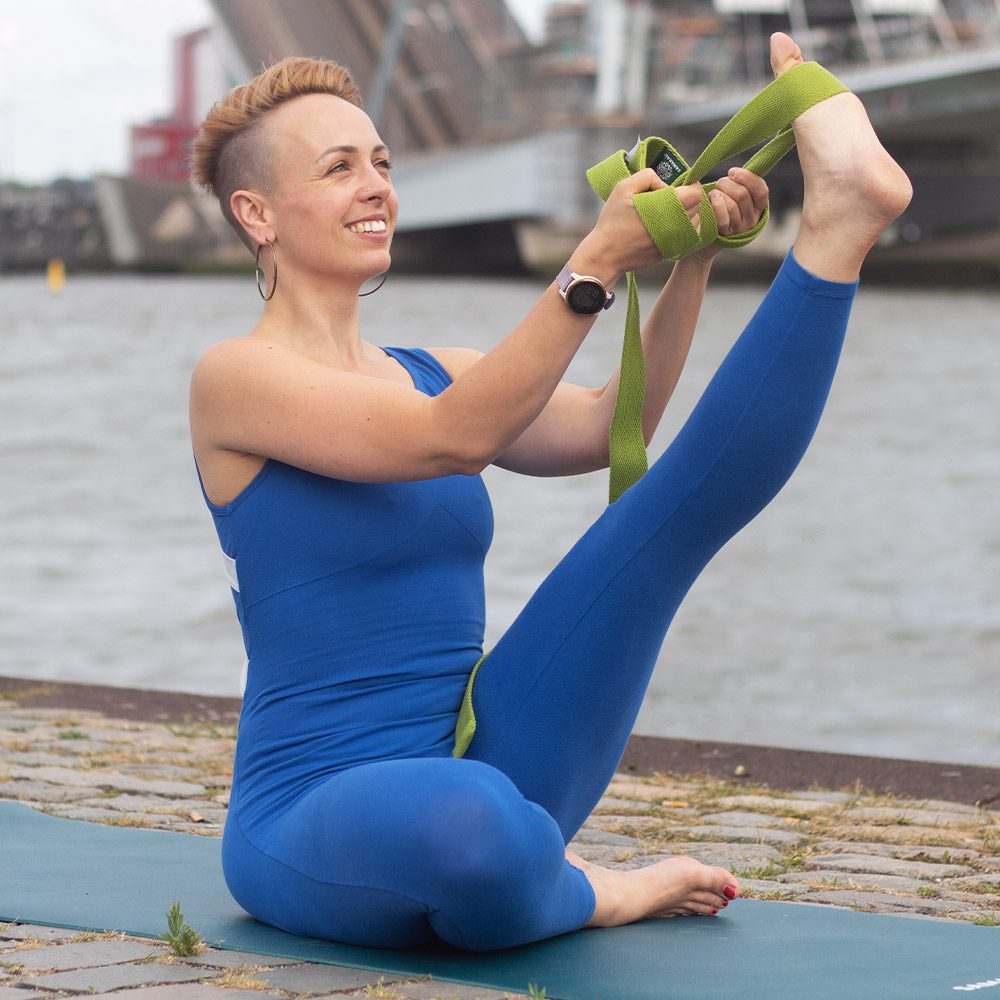
What exactly is a yoga strap, and why do you need one?
A yoga strap is a simple yet powerful yoga accessory made from durable fabric with an adjustable buckle or D-ring closure. This essential piece of yoga equipment extends your reach, helping you achieve proper alignment in poses that might otherwise feel impossible or uncomfortable. High-quality construction matters here: a tightly woven organic cotton strap maintains consistent grip and tension across hundreds of practice sessions, directly supporting both your safety and your progress over time.
Yoga straps serve multiple important functions in your practice:
- Bridge flexibility gaps – They connect your current flexibility to the full expression of poses, allowing proper form while building strength and mobility
- Prevent injury and strain – By providing support and extension, straps help you avoid overreaching or forcing poses beyond your current capacity
- Teach proper alignment – Using straps helps your body learn correct muscle engagement patterns for eventual unassisted practice
- Support all skill levels – Beginners use them for basic stretches while advanced practitioners explore deeper variations and challenging binds
These yoga accessories essentially act as teachers, showing you what poses should feel like when performed correctly. By maintaining proper alignment with strap assistance, you develop the muscle memory and understanding necessary for safe, effective practice. Whether you’re just beginning your yoga journey or exploring advanced variations, straps provide the support and extension needed to practice with confidence and integrity.
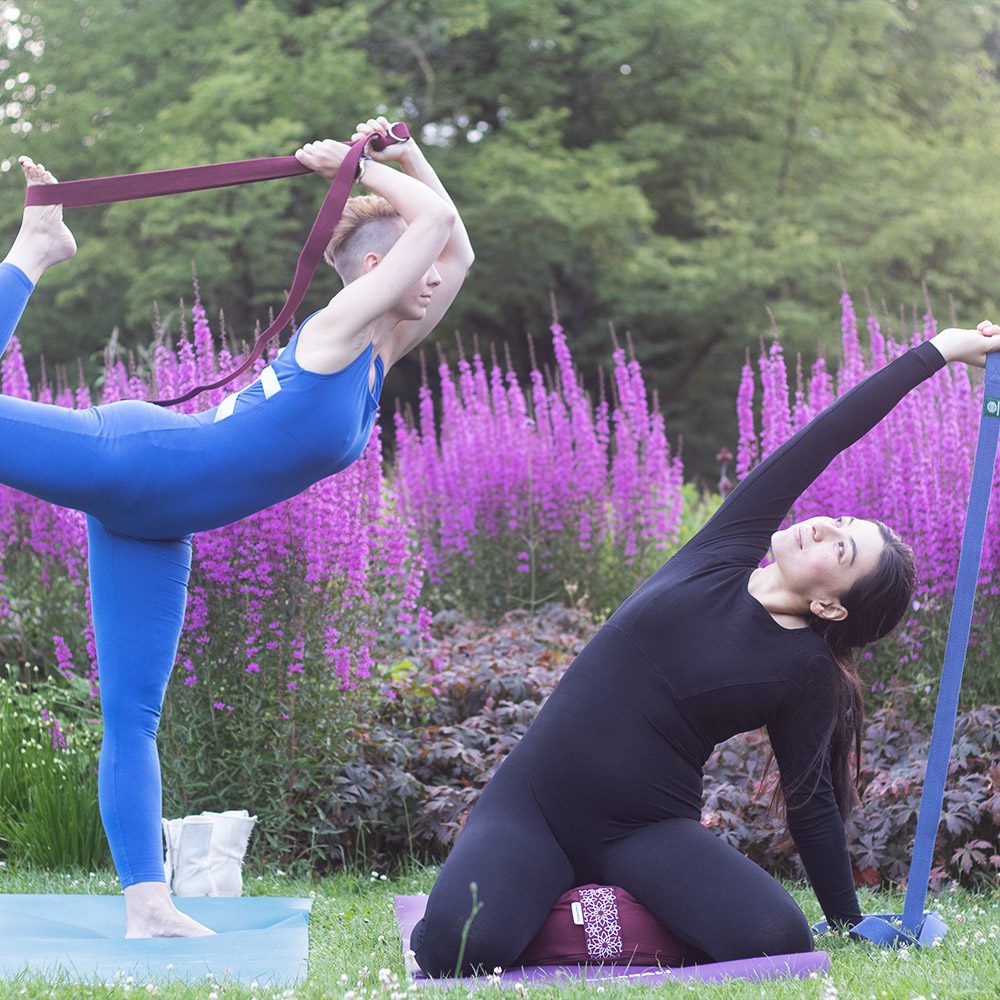
How do you measure the right yoga strap length for your body?
The most reliable method for determining your ideal yoga strap length involves measuring your arm span and considering your height. Stand with your arms extended horizontally and measure from fingertip to fingertip. This measurement, combined with your torso length, gives you a baseline for strap selection. As a quick reference: practitioners under 5’4″ typically find a 6-foot strap sufficient for seated and foundational poses, those between 5’4″ and 6’0″ are best served by an 8-foot strap for standing and intermediate work, and anyone over 6’0″ or pursuing advanced binding and backbend poses should consider a 10-foot strap for unrestricted reach.
For basic yoga strap measurements, consider these guidelines:
- Under 5’4″ height – 6-foot straps typically provide adequate length for most poses and basic stretching needs
- 5’4″ to 6’0″ height – 8-foot straps offer optimal versatility for a wide range of poses and binding work
- Over 6’0″ height – 10-foot straps accommodate longer limbs and provide flexibility for advanced poses
- Binding pose requirements – Add 12-18 inches to your arm span measurement for comfortable binding work
Your specific practice needs ultimately determine the best choice for your body. While height provides a starting point, consider how you plan to use your strap most frequently. If you practice Yin or restorative yoga, for example, you will want enough length to loop comfortably around your feet or create a secure hold in reclined poses without having to re-adjust mid-hold. The additional length required for binding poses accounts for the strap’s path around your body and through various holds, ensuring you have enough material for safe, comfortable practice without restriction.
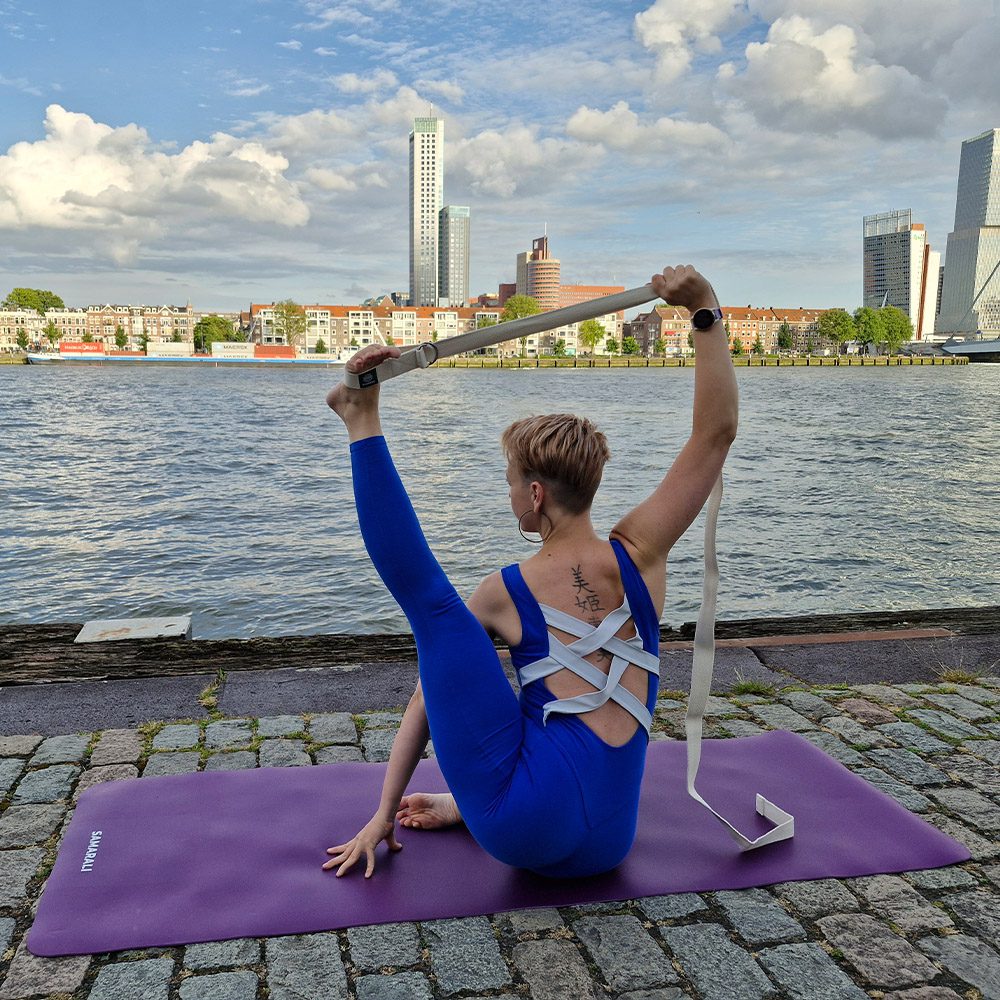
What’s the difference between 6-foot, 8-foot, and 10-foot yoga straps?
Each yoga strap length serves specific purposes and accommodates different practice needs:
- 6-foot straps – Excel for basic poses like seated forward folds and hamstring stretches, perfect for practitioners under 5’4″ without excess material
- 8-foot straps – Offer a versatile middle ground for intermediate binding work and deeper stretches, suitable for average height practitioners
- 10-foot straps – Provide maximum reach for complex binding poses, deep backbends, and advanced variations, ideal for taller individuals
- Multiple wrapping capability – Longer straps allow for poses requiring the strap to wrap around the body several times
The choice between lengths reflects both your physical requirements and practice style. Beginners often find that a 6-foot strap covers all foundational needs, while an 8-foot strap quickly becomes the go-to choice as practice deepens into standing poses, light binds, and restorative holds. Advanced practitioners and taller individuals value the 10-foot strap for the creative range it opens in inversions, deep backbends, and complex wrapping techniques. This yoga strap size consideration becomes particularly important as your practice evolves and you explore more challenging variations. Many dedicated practitioners eventually invest in two lengths, using an 8-foot strap for everyday sessions and a 10-foot strap for advanced pose work.
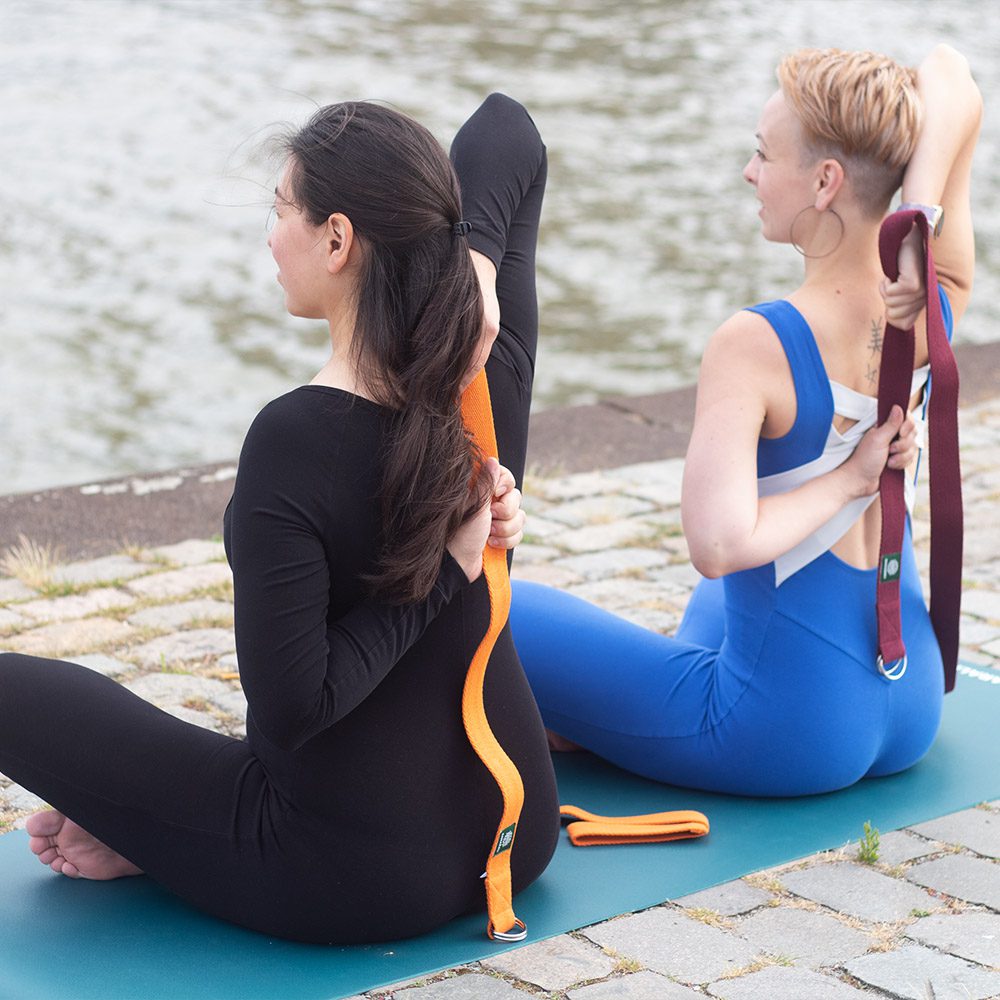
Which yoga poses require longer straps versus shorter ones?
Different pose categories demand specific strap lengths for optimal support and safety:
- Seated poses (6-foot straps) – Forward folds and head-to-knee poses require minimal length since you’re simply extending reach to feet
- Standing balance poses (8-foot straps) – Extended hand-to-big-toe pose and warrior III variations need moderate length for stability and alignment
- Binding poses (8-10-foot straps) – Twisted poses and bird of paradise require extra length to accommodate the strap’s path around your torso
- Backbends with assistance (10-foot straps) – Modified wheel pose and camel variations need maximum reach and multiple grip options
- Therapeutic applications – Restorative poses and partner yoga often benefit from longer straps for versatility and comfort
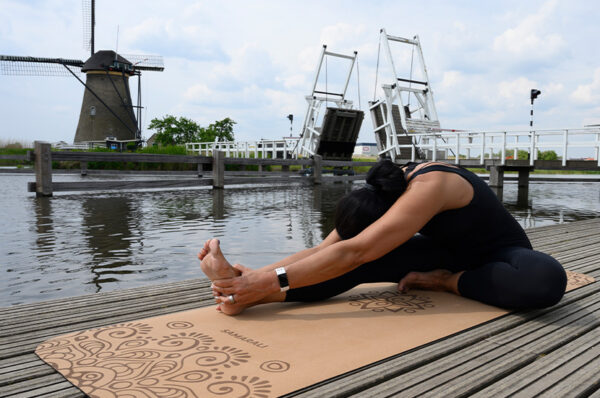
Understanding these pose-specific requirements helps you make informed decisions about strap length. In seated poses like Paschimottanasana (Seated Forward Fold), a 6-foot strap looped around the soles of your feet allows you to maintain a long spine without rounding your lower back. Standing balance poses such as Utthita Hasta Padangusthasana (Extended Hand-to-Big-Toe Pose) benefit from an 8-foot strap wrapped around your extended foot for stability without gripping your toes. For complex binding poses like Parivrtta Surya Yantrasana (Compass Pose), an 8 to 10-foot strap bridges the gap between your hand and foot while keeping the torso open. Backbends with strap assistance require length for safety, allowing you to maintain proper alignment while gradually deepening the pose. For inversion preparation, such as Handstand or Forearm Stand, create a shoulder-width loop and wrap it around your upper arms to keep them parallel and prevent splaying. This comprehensive approach ensures your strap choice supports both your current practice and future growth.
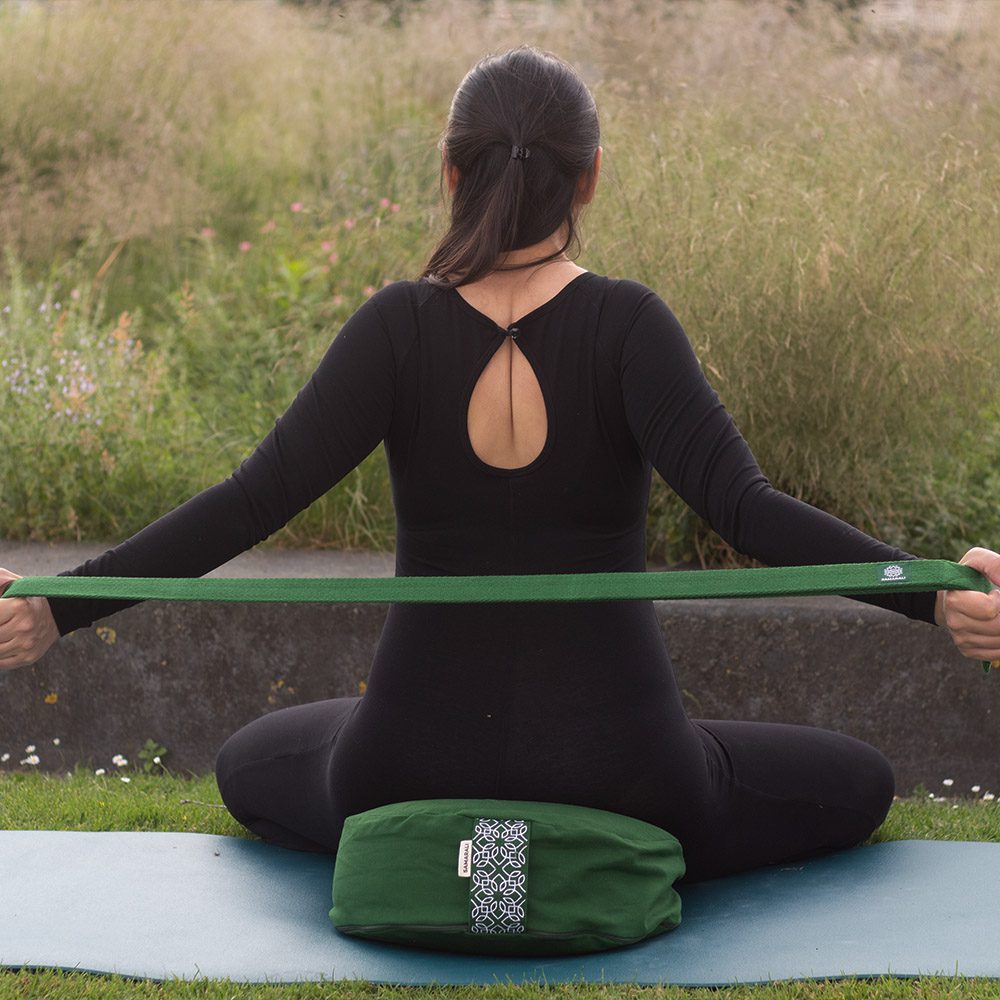
When choosing the right yoga strap, consider starting with an 8-foot length if you are unsure. This size offers excellent versatility for most poses, from foundational seated stretches to standing balance work and light binding, while remaining manageable for beginners. If you are under 5’4″, a 6-foot strap is a confident starting point for seated and restorative poses. As your practice evolves, you can always add a 10-foot strap to support advanced inversions and complex binds. Many practitioners also find it helpful to complement their straps with other essential accessories, like yoga mats, for a complete foundation.
Remember that sustainable yoga gear serves both your practice and your environmental values. Our yoga straps are crafted from tightly woven organic cotton that withstands years of regular practice without fraying, stretching out, or losing tension, meaning fewer replacements, less waste, and a lower long-term cost per use. Whether you are building a complete collection with yoga sets or selecting individual pieces for your meditation and yoga practice, we ship without plastic packaging so your accessories support both your wellness journey and planetary health. Choosing a durable, sustainably made strap is the definition of mindful consumption: quality that lasts and values that hold.
Browse our full collection of sustainably crafted yoga essentials, including organic cotton yoga straps designed for mindful movement and made with respect for the planet.