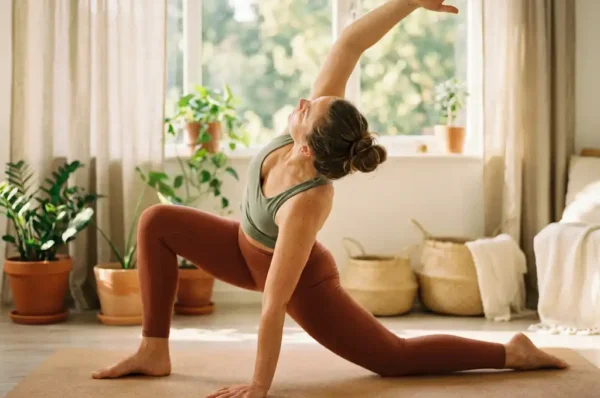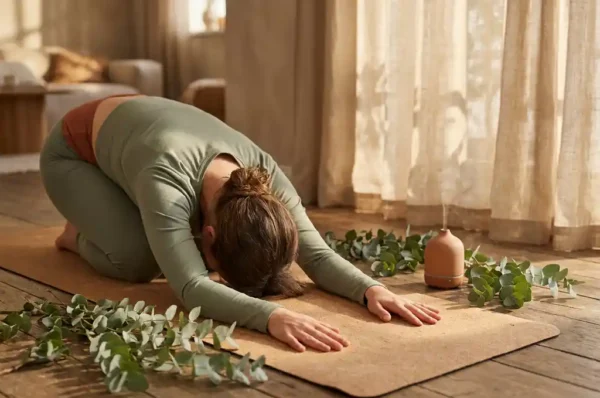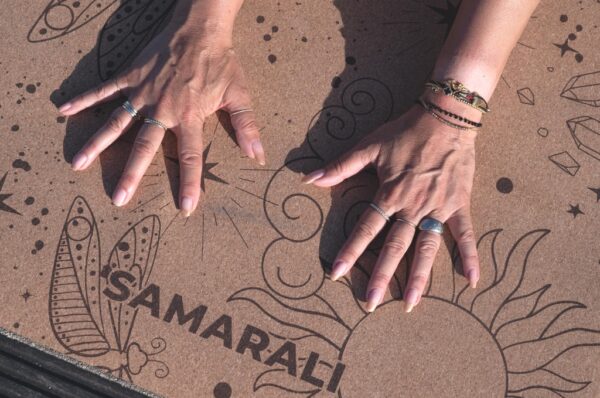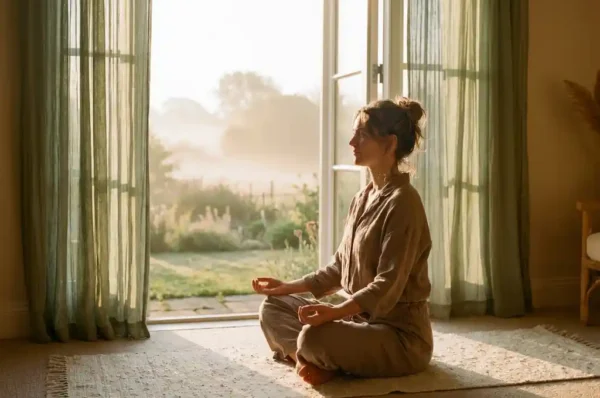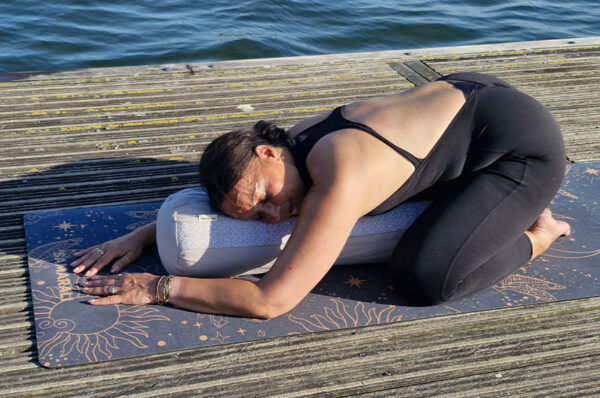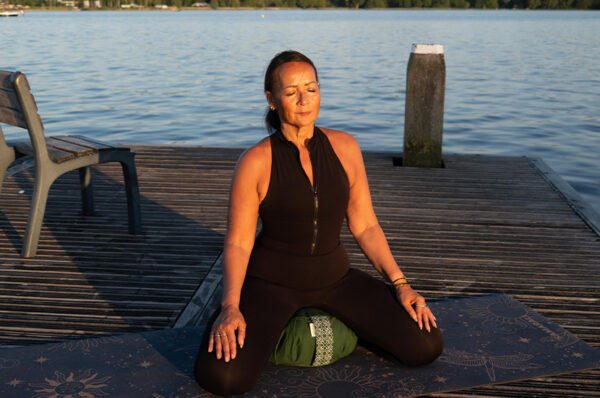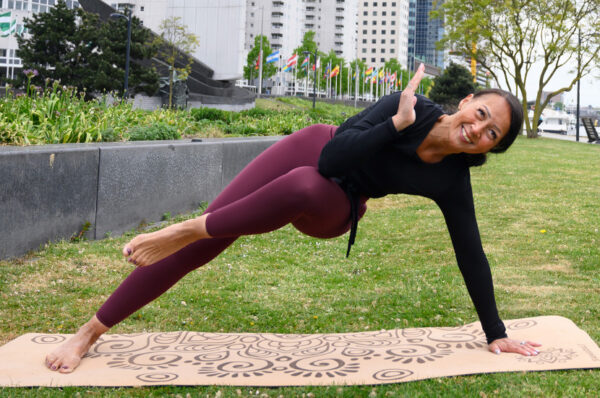



Building a zero-waste yoga routine means eliminating single-use items and choosing sustainable equipment that supports both your practice and environmental health. You can achieve this by selecting durable, eco-friendly gear, creating mindful home practice spaces, and maintaining conscious habits in studios. This approach reduces environmental impact while enhancing your yoga experience through intentional, sustainable choices.
What does zero-waste yoga actually mean for your practice?
Zero-waste yoga involves eliminating disposable items and choosing sustainable alternatives that minimise environmental impact throughout your practice. This comprehensive approach encompasses several key areas:
- Equipment selection – Using gear made from natural materials like organic cotton, cork, and natural rubber instead of synthetic alternatives
- Single-use elimination – Replacing disposable water bottles, towels, and wipes with reusable alternatives
- Mindful consumption – Choosing high-quality items that last longer rather than frequently replacing cheap equipment
- Waste stream awareness – Understanding the full lifecycle impact of yoga products from manufacturing to disposal
This holistic approach addresses both visible waste and hidden environmental costs while aligning with traditional yoga principles of ahimsa (non-violence) and conscious living. By adopting zero-waste practices, practitioners extend their mindfulness beyond the mat to include environmental stewardship, creating a more integrated and authentic yoga experience.
How do you choose sustainable yoga equipment that lasts?
Choose yoga equipment made from natural, renewable materials like organic cotton, natural rubber, cork, or sustainably harvested wood. The key is evaluating products based on multiple sustainability factors:
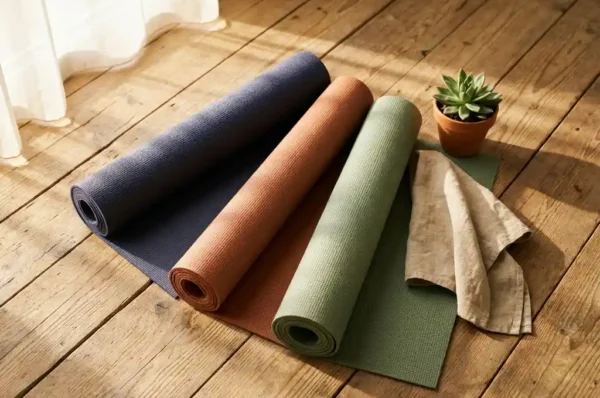
- Material composition – Natural rubber yoga mats provide excellent grip and biodegradability, while cork offers antimicrobial properties that improve with use
- Manufacturing ethics – Companies with transparent supply chains, fair labour practices, and minimal packaging demonstrate genuine sustainability commitment
- Durability design – High-quality construction means equipment lasts years rather than months, reducing replacement frequency and long-term costs
- End-of-life options – Products that biodegrade naturally or offer take-back programmes prevent landfill accumulation
- Local sourcing – Equipment manufactured closer to your location reduces transportation emissions and supports regional economies
Sustainable equipment typically requires a higher initial investment but delivers superior value through extended lifespan, better performance, and reduced environmental impact. This approach transforms purchasing decisions from short-term convenience to long-term stewardship, supporting both your practice development and ecological responsibility.
What are the best zero-waste practices for home yoga sessions?
Create zero-waste home sessions by using natural lighting when possible, storing equipment in reusable containers, cleaning gear with homemade solutions, and eliminating single-use items from your practice space. Effective home practices include:
- Energy-conscious lighting – Maximising natural light during daytime practice and using LED bulbs or natural wax candles for evening sessions
- Sustainable storage solutions – Cotton bags, wooden boxes, and repurposed containers keep equipment organised without plastic storage systems
- Homemade cleaning products – Simple solutions like diluted white vinegar or castile soap effectively sanitise equipment without harmful chemicals or excessive packaging
- Reusable alternatives – Glass water bottles, cotton towels, and washable cleaning cloths replace all disposable items
- Dedicated practice space – A permanent setup eliminates the need for constant arrangement and disposal of temporary items
These practices create a more mindful and sustainable home environment while often improving the quality of your practice. The consistency of using the same space and equipment builds familiarity and comfort, while the absence of waste-generating items allows for deeper focus on the practice itself.
How can you maintain zero-waste habits when attending yoga classes?
Maintain zero-waste habits in studios by bringing your own equipment when possible, using a refillable water bottle, choosing studios with sustainable practices, and avoiding single-use amenities. Key strategies include:
- Personal equipment transport – Bringing your own mat, towel, and water bottle in a yoga mat bag eliminates reliance on studio-provided items
- Studio selection criteria – Choosing facilities with bulk soap dispensers, energy-efficient lighting, recycling programmes, and sustainable equipment demonstrates environmental consciousness
- Amenity alternatives – Using refillable toiletry containers and small cotton towels instead of single-use packets and paper towels
- Community engagement – Communicating with studio owners about sustainability preferences and suggesting waste reduction initiatives
- Habit consistency – Maintaining the same zero-waste practices regardless of location builds sustainable routines
Studio-based zero-waste practice often requires more planning but creates opportunities for community building around shared environmental values. Many studios respond positively to customer feedback about sustainability, making your individual choices part of broader positive change within the yoga community.
Building a zero-waste yoga routine requires thoughtful choices about equipment, practices, and studio selection. By prioritising sustainable materials like natural rubber and organic cotton, creating mindful home spaces, and maintaining conscious habits in shared environments, you support both personal wellness and environmental health. We believe that yoga practice should honour the interconnection between personal and planetary wellbeing, which is why all our yoga and meditation gear uses organic cotton fabric with completely plastic-free packaging.
Browse our selection of thoughtfully crafted collection of sustainable yoga essentials—designed for mindful movement and made with respect for the planet.