


Kundalini and Hatha yoga are two distinct styles with different approaches to practice. Kundalini focuses on awakening spiritual energy through breathwork, repetitive movements, and chanting, while Hatha emphasises physical postures and proper alignment. Understanding these differences helps you choose the style that best matches your goals, fitness level, and spiritual interests.
What exactly are Kundalini and Hatha yoga?
Kundalini yoga combines physical movement, breathing techniques, meditation, and chanting to awaken dormant spiritual energy. This practice aims to release the “kundalini” energy believed to rest at the base of your spine, allowing it to rise through your chakras for spiritual transformation and heightened awareness.
Key elements of Kundalini practice include:
- Repetitive movements and extended pose holds – These create a meditative state while building physical endurance
- Pranayama breathing techniques – Specific patterns like “breath of fire” generate internal energy and focus
- Mantras and chanting – Sacred sounds that enhance spiritual connection and mental clarity
- Meditation and visualisation – Active practices woven throughout the session rather than just at the end
- Traditional elements – White clothing and head coverings are encouraged but optional for beginners
These components work together to create an intense spiritual and physical experience that goes beyond typical exercise, offering practitioners a pathway to deeper self-awareness and energetic transformation.
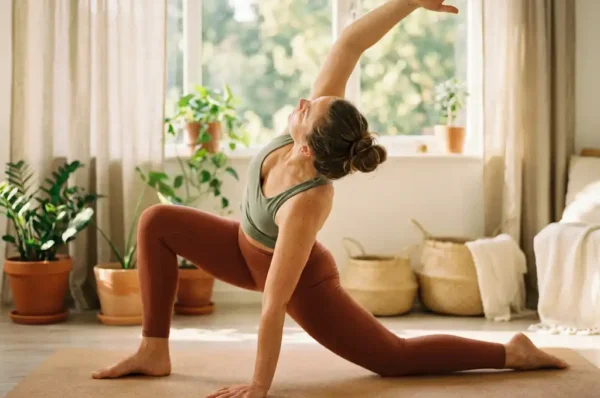
Hatha yoga focuses on physical postures (asanas) and proper body alignment to build strength, flexibility, and balance. The word “hatha” translates to “force” in Sanskrit, referring to the physical effort required to hold poses correctly.
Fundamental aspects of Hatha yoga include:
- Foundational postures – Classic poses like downward dog, warrior sequences, and seated twists form the practice base
- Precise alignment instruction – Detailed guidance helps you understand proper form and prevent injury
- Slow, deliberate movement – Allows time to understand pose mechanics and build strength gradually
- Breath awareness without complexity – Natural breathing coordinated with movement, minus advanced techniques
- Foundation for other styles – Many modern yoga forms like Vinyasa and Iyengar evolved from Hatha principles
This methodical approach creates a solid foundation for yoga practice while building physical confidence and body awareness that serves practitioners throughout their yoga journey.
How do the physical practices differ between these two styles?
Hatha yoga uses slower, held postures that you maintain for several breaths, focusing on precise alignment and gradual strength building. Kundalini involves repetitive movements, dynamic breathing patterns, and incorporates sound through mantras as integral parts of the physical practice.
Hatha’s physical approach emphasises:
- Extended pose holds – Positions maintained for 30 seconds to several minutes allow deep muscle engagement
- Detailed alignment cues – Teachers provide specific instructions for proper positioning and safety
- Prop utilisation – Blocks, straps, and bolsters support your body and help achieve correct form
- Mindful transitions – Deliberate movement between poses builds awareness and control
- Natural breathing – Steady, coordinated breath without complex patterns or techniques
Kundalini’s physical elements include:
- Kriya sequences – Specific movement combinations designed to target particular energy centres
- Advanced breathing techniques – Rapid belly breathing and other patterns that generate internal heat
- Repetitive movements with breath – Actions like rapid arm pumping coordinated with prescribed breathing
- Active meditation during poses – Visualisation and mantra repetition while holding positions
- Sound integration – Chanting and specific eye positions enhance the energetic experience
These contrasting approaches mean Hatha builds physical foundation through careful attention to form, while Kundalini creates energetic transformation through dynamic combinations of movement, breath, and sound that challenge both body and mind simultaneously.
Which yoga style should you choose as a beginner?
Hatha yoga suits most beginners because it teaches foundational poses slowly and emphasises proper alignment. Choose Kundalini if you’re drawn to spiritual practices, meditation, and don’t mind chanting, though it can feel intense for newcomers to yoga.
Hatha yoga benefits for beginners:
- Gradual strength and flexibility development – Slower pace allows safe progression without overwhelming your body
- Clear modification options – Easy adaptations for physical limitations or injuries
- Transferable foundation – Skills learned apply directly to other yoga styles
- Quiet, contemplative atmosphere – Perfect for those preferring practice without spiritual elements
- Longer class exploration – 60-90 minute sessions allow thorough pose investigation
Kundalini considerations for beginners:
- Spiritual openness required – Practice demands comfort with unfamiliar concepts and chanting
- Intense mental focus needed – Combination of elements can feel overwhelming initially
- Potential emotional releases – Some experience surprising sensations or feelings during practice
- Higher intensity sessions – 60-minute classes feel more demanding due to active breathing and movement
- Different fitness accommodation – While adaptable, modifications may be less obvious than in Hatha
Both styles offer unique pathways into yoga, with Hatha providing a gentler physical introduction and Kundalini offering immediate spiritual engagement. Consider trying introductory classes in each style to discover which resonates with your personal goals, comfort level, and interests in yoga’s broader dimensions.
Your choice between Kundalini and Hatha yoga depends on whether you prioritise physical development or spiritual exploration. Both practices offer valuable benefits and can complement each other beautifully. Many practitioners eventually explore both styles as their yoga journey evolves. Having a comfortable yoga mat is essential for both practices, and at Samarali, we support your practice with sustainable mats made from organic cotton, helping you maintain your commitment to both personal wellness and environmental responsibility, all without any plastic packaging.
Browse our selection of thoughtfully crafted collection of sustainable yoga essentials—designed for mindful movement and made with respect for the planet.