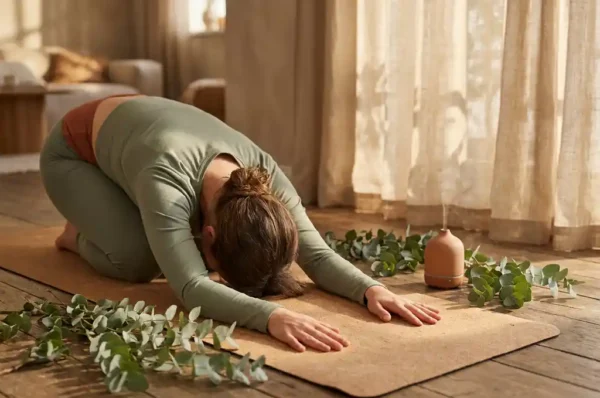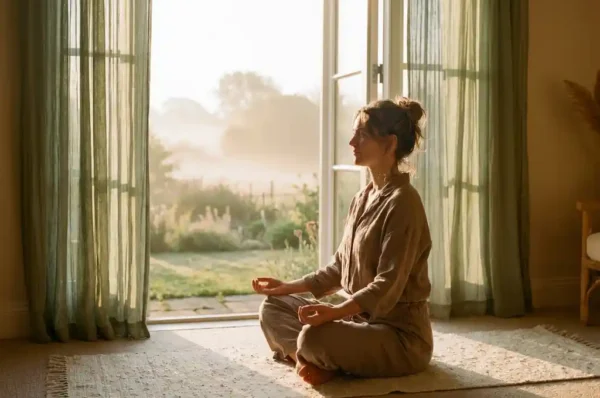



Prenatal yoga adapts traditional yoga practices to support the changing needs of your body during pregnancy. Unlike regular yoga, prenatal classes modify poses to accommodate your growing belly, avoid unsafe positions, and focus on breathing techniques that prepare you for childbirth. The practice emphasizes gentle movements, pelvic floor strengthening, and stress reduction rather than challenging physical achievements.
What makes prenatal yoga different from your regular yoga practice?
Prenatal yoga incorporates specific modifications to ensure both safety and comfort throughout your pregnancy journey. These adaptations address the unique physical and emotional changes you experience while maintaining the core benefits of yoga practice.
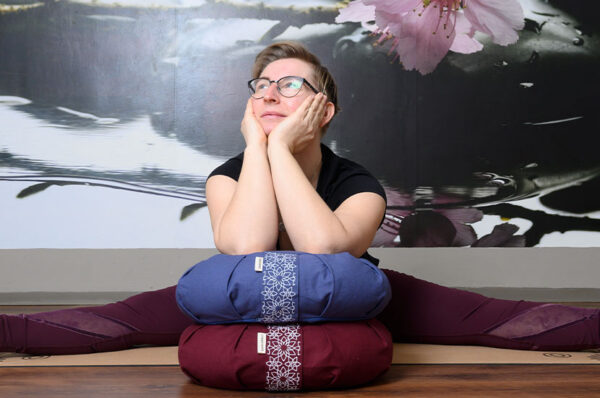
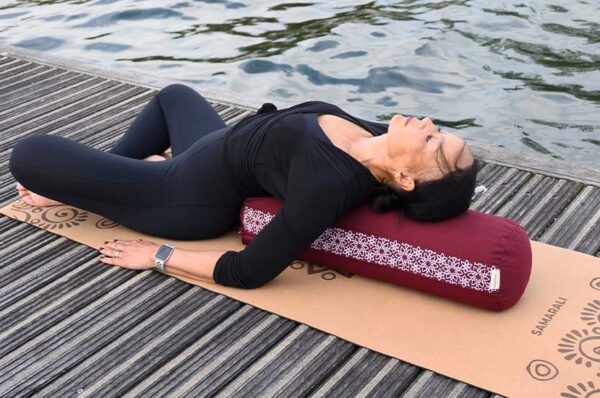
- Physical modifications – Eliminates deep twists, backbends, and belly-down positions while adding supportive props like bolsters and blocks
- Breathing focus – Emphasizes techniques that help manage labor pain, reduce anxiety, and prepare you for childbirth
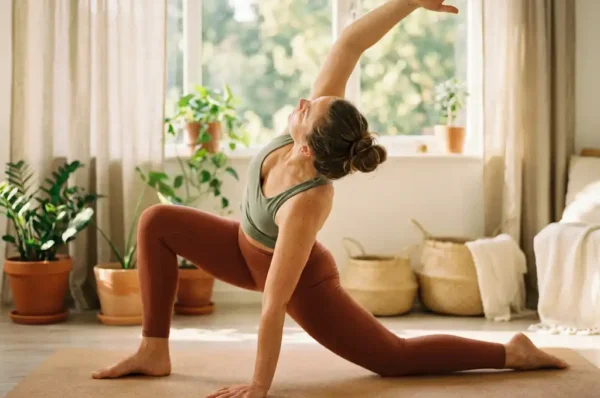
- Balance adjustments – Addresses your changing center of gravity and loosening joints with wide-legged poses and supported positions
- Temperature awareness – Prevents overheating through slower movements and adequate rest periods
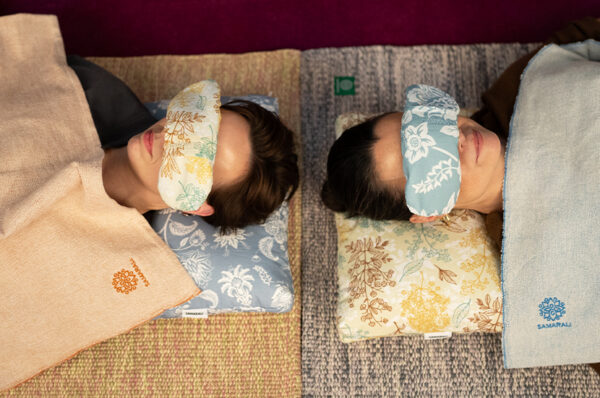
- Mental preparation – Includes relaxation techniques, meditation, and emotional processing time
These comprehensive modifications create a practice that honors your body’s transformation while building strength and preparing you for birth. The slower pace allows you to develop a deeper connection with your baby and learn to trust your body’s changing signals throughout each trimester.
Which yoga poses should you avoid during pregnancy?
Certain yoga poses pose risks during pregnancy due to their potential to compress blood vessels, reduce oxygen flow, or strain your changing body. Understanding which positions to avoid helps ensure your safety and your baby’s well-being.
- Deep backbends – Can overstretch already loosening abdominal muscles and compress the vena cava
- Prone positions – Any belly-down poses become uncomfortable and unsafe as your pregnancy progresses
- Intense twists – Deep spinal rotations that compress the abdomen and restrict space for your growing baby
- Full inversions – Poses like headstand or shoulderstand that may affect blood pressure and balance
- Hot yoga practices – Heated environments that can cause dangerous overheating and dehydration
- Supine positions – Lying flat on your back after the first trimester can reduce blood flow to the placenta
Instead of avoiding yoga altogether, these restrictions simply guide you toward safer alternatives that provide similar benefits. Wall-supported poses replace inversions, gentle seated rotations substitute for deep twists, and side-lying positions offer comfort without compromising safety. Your certified instructor will demonstrate appropriate modifications for each trimester, ensuring your practice evolves safely with your changing body.
How does prenatal yoga help prepare your body for childbirth?
Prenatal yoga provides comprehensive preparation for labor and delivery through targeted physical conditioning, breathing techniques, and mental preparation. The practice addresses multiple aspects of birth readiness simultaneously.
- Pelvic floor strengthening – Builds muscle control and awareness needed for pushing and recovery
- Hip flexibility – Opens the pelvis through poses like butterfly stretch and supported squats for easier baby descent
- Breathing mastery – Teaches pain management techniques and ensures adequate oxygen flow during contractions
- Core stability – Maintains posture support and may reduce back pain during pregnancy and labor
- Stamina building – Develops physical endurance for the demands of active labor
- Mental focus – Cultivates concentration and calm needed to work with your body during birth
- Position awareness – Familiarizes you with comfortable labor positions and movement options
These benefits work together to create confidence in your body’s natural birthing abilities. The mind-body connection developed through regular practice helps you trust your instincts during labor, while the physical preparation provides the strength and flexibility needed for a smoother birth experience.
When should you start prenatal yoga and what can you expect?
Most women can safely begin prenatal yoga during their second trimester, around 12-14 weeks, when morning sickness typically subsides and energy levels improve. Always get clearance from your healthcare provider before starting any exercise program during pregnancy.
Expect classes to move at a gentler pace than regular yoga, with frequent rest breaks and water stops. Your instructor will offer multiple modifications for each pose and encourage you to rest whenever needed. Classes typically last 60–75 minutes and include time for relaxation and connection with other expectant mothers.
The practice evolves as your pregnancy progresses. Early classes focus on building strength and flexibility. Later sessions emphasize comfort positions, breathing techniques, and mental preparation for birth. Props become more important as your belly grows, supporting you in poses that might otherwise be challenging.
Look for certified prenatal yoga instructors who understand pregnancy anatomy and safety considerations. Many studios offer beginner-friendly classes where you’ll learn basic poses and breathing techniques. The supportive community aspect often becomes as valuable as the physical practice, connecting you with other women sharing similar experiences.
Prenatal yoga offers a gentle yet effective way to stay active during pregnancy while preparing your body and mind for childbirth. The practice adapts to your changing needs, providing safe movement, stress relief, and valuable birth preparation techniques. When choosing sustainable yoga mats for your practice, look for non-toxic, eco-friendly options that provide proper cushioning and grip for your safety. We believe in supporting your wellness journey with products that care for both you and the environment, using organic cotton materials and plastic-free packaging that align with mindful living values.
Browse our selection of thoughtfully crafted collection of sustainable yoga essentials—designed for mindful movement and made with respect for the planet.