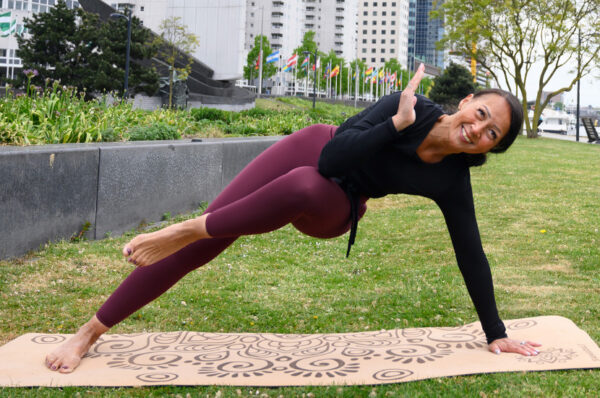



Based on extensive testing across heated studio environments and direct feedback from hot yoga and hot pilates practitioners, natural rubber consistently outperforms all other mat materials in high-heat, high-sweat conditions at temperatures between 29 and 40°C. Its surface becomes more tacky as sweat increases, making it the top choice for dynamic, moisture-heavy sessions. Cork is the leading low-maintenance alternative, offering natural antimicrobial properties and consistent traction throughout heated classes. Both materials significantly outperform synthetic options like PVC and TPE in high-heat, high-humidity conditions, working with moisture rather than against it.
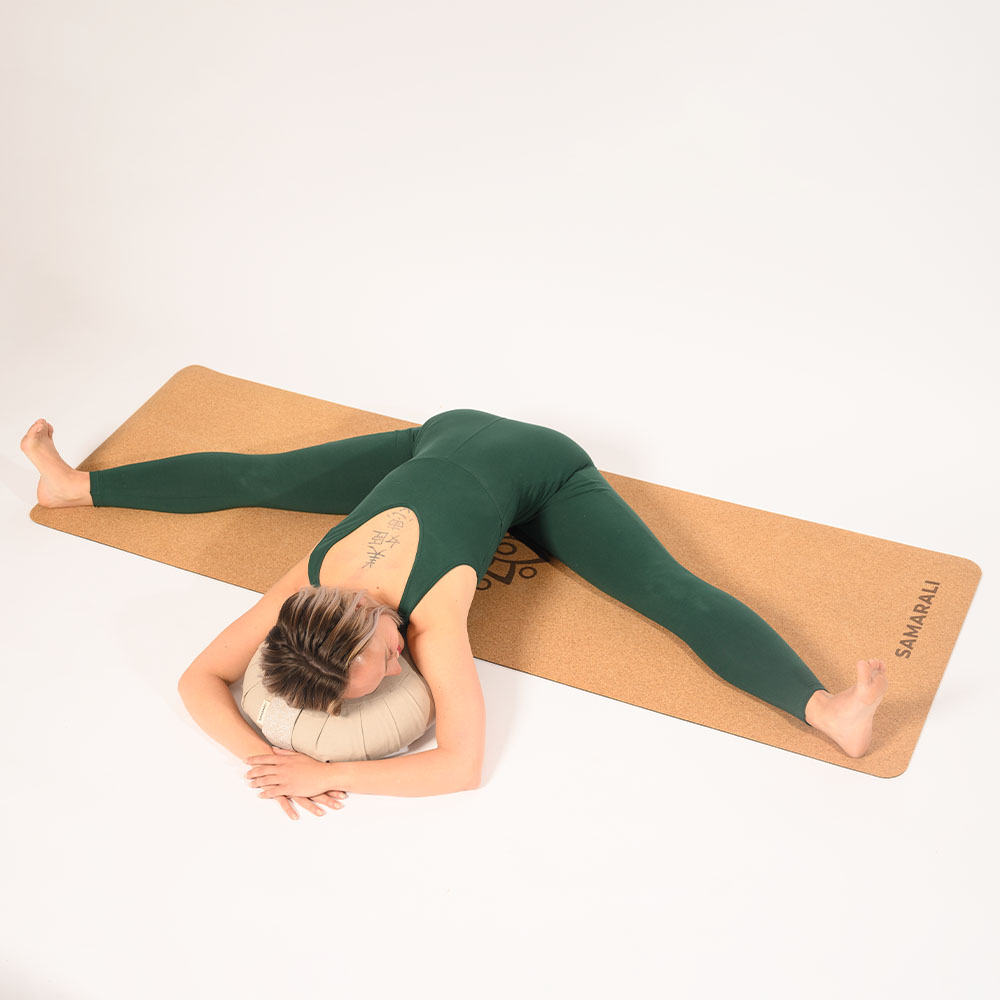
What makes a yoga mat suitable for hot yoga and heated class conditions?
Hot yoga, Bikram, infrared yoga, hot pilates, and heated fitness classes are typically practiced in studios maintained between 29 and 40°C (85 to 105°F) with elevated humidity levels. These conditions push both your body and your equipment to their limits. Standard yoga mats made from PVC or TPE are engineered for room-temperature practice and can warp, emit harmful off-gases, or become dangerously slippery under sustained heat and sweat. The best yoga mats for hot yoga sessions and heated classes must provide exceptional moisture absorption, heat resistance, and structural stability while maintaining grip performance when fully saturated.
The unique challenges of hot yoga, hot pilates, and heated fitness classes create specific material requirements that separate high-performance mats from standard options. Understanding these demands is the first step toward finding a mat that holds up best for hot yoga or intense practice rather than one that simply tolerates occasional warmth:
- Enhanced moisture management – Materials must absorb sweat effectively while actually improving grip when wet, rather than becoming hazardous
- Superior heat resistance – Mats need to prevent warping, off-gassing, or texture changes that could compromise safety during practice
- Accelerated durability testing – The combination of heat, moisture, and intense sessions tests material integrity more severely than room-temperature yoga
- Optimal thickness balance – Enough cushioning for comfort (typically 4–6mm) without compromising stability when materials heat up and potentially soften
These demanding conditions require sustainable yoga mats designed specifically for hot environments, featuring natural materials that handle thermal and moisture stresses while maintaining their structural properties. A mat that holds up best for hot yoga or intense practice will actively improve its grip response as sessions progress, transforming sweat from a liability into a performance advantage.
The right hot yoga mat supports your practice rather than hindering it, whether you are moving through a 90-minute Bikram sequence, a vinyasa flow, or a floor-based hot pilates class where lateral transitions and plank work place additional demands on grip and cushioning.
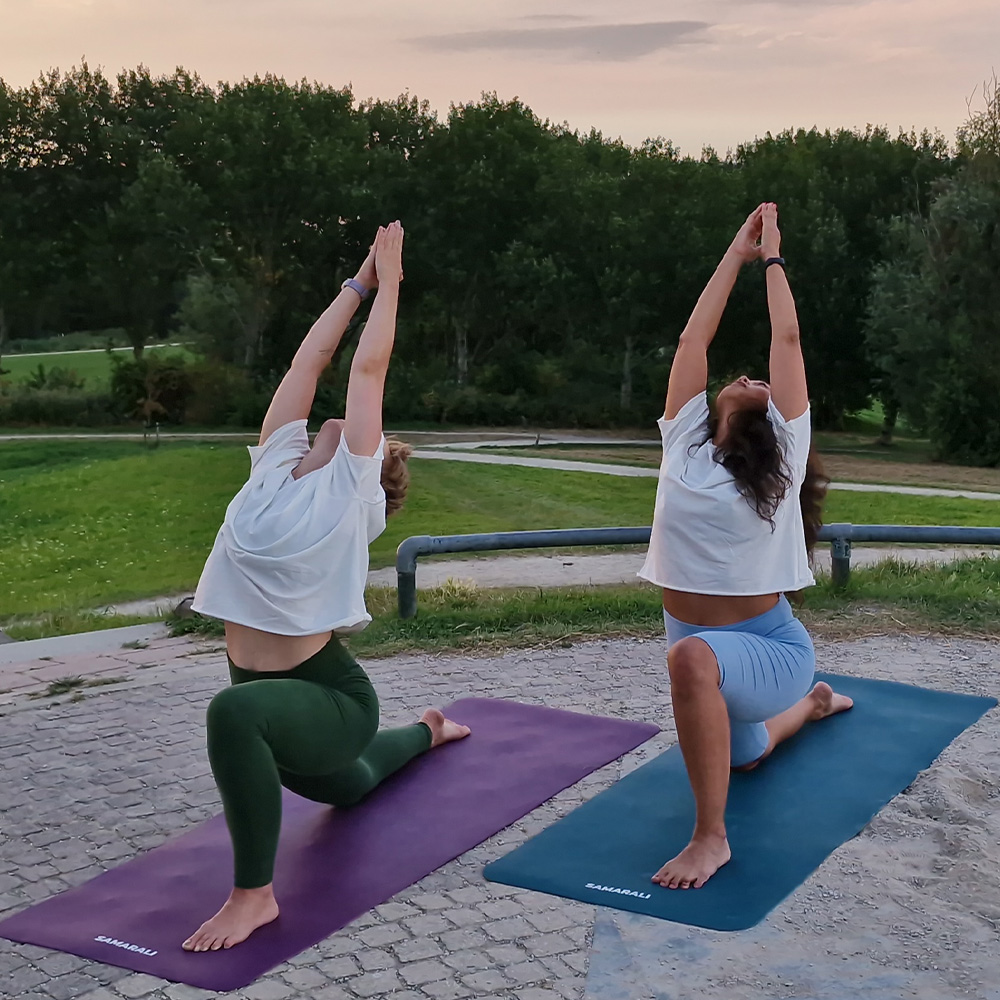
Why synthetic yoga mat materials fail in hot yoga conditions (and what to avoid)
Heat does not just make synthetic yoga mats uncomfortable — it actively accelerates the release of the chemical compounds they are made from. PVC mats contain phthalates and chlorine-based compounds that off-gas more aggressively at temperatures above 35°C, the kind of sustained heat that defines a Bikram or hot vinyasa class. TPE, often marketed as a greener alternative, can warp and lose structural integrity under prolonged heat exposure, meaning the mat that felt stable in your first session may feel spongy and unreliable by your tenth. Synthetic rubber blends present a further concern: many contain undisclosed antimicrobial additives and polyurethane surface coatings that degrade with repeated sweat exposure, breaking down into residues that transfer directly to your skin and hands during practice. For health-conscious practitioners, a non-toxic yoga mat is not a luxury — it is a baseline requirement for a safe heated practice.
Knowing what to avoid is only half the answer. Understanding how to verify that a mat is genuinely natural and chemical-free is equally important, because even products marketed as natural can contain synthetic fillers, binders, or coatings. When evaluating any mat, look for independently verified certifications: OEKO-TEX Standard 100 confirms that all components have been tested for harmful substances; FSC certification (Forest Stewardship Council) indicates responsibly sourced natural rubber; and GOTS certification (Global Organic Textile Standard) applies to organic fibre-based materials. A mat carrying one or more of these certifications has been assessed by a third party — not just by the brand itself. If a product page lists no certifications and uses vague language such as “eco-friendly” or “natural blend” without specifics, treat that as a signal to look more closely at the full ingredient list before purchasing a safe yoga mat material for your heated practice.
One important safety consideration applies specifically to natural rubber: because it is derived from the latex of the Hevea brasiliensis tree, it is not suitable for practitioners with a latex allergy. If you have a confirmed or suspected latex sensitivity, cork is the recommended alternative — it delivers strong, consistent grip performance in heated environments without any latex content. This distinction matters when choosing a chemical-free hot yoga mat that is genuinely safe for your body as well as your practice.
With the risks of synthetic materials understood and the certifications to look for in mind, the focus can shift to which natural materials actually perform best when temperatures rise and sweat builds.
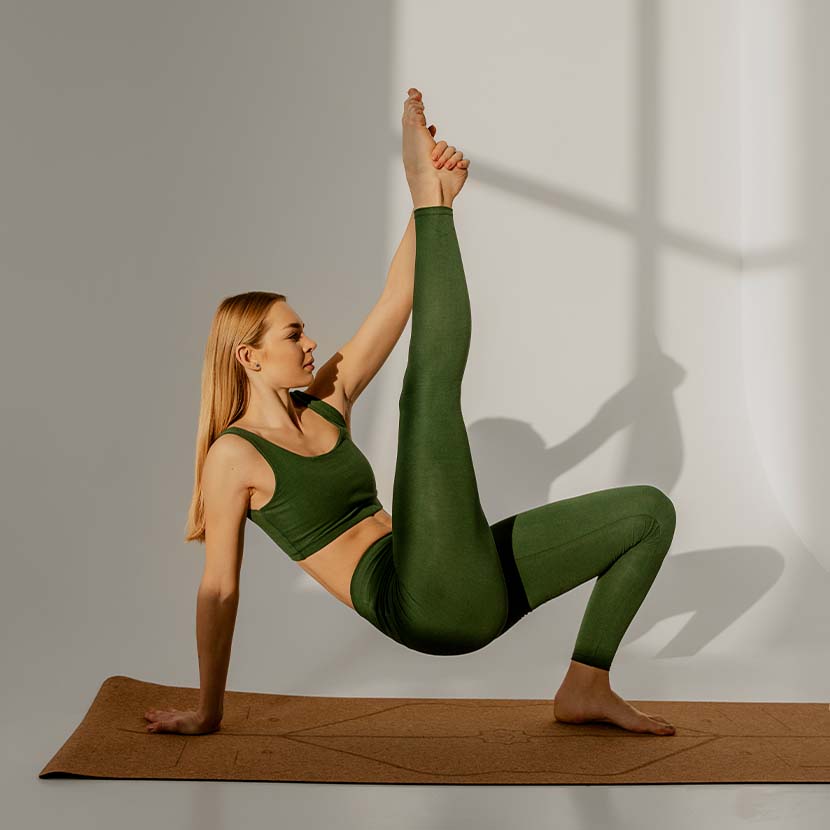
Which natural materials provide the best grip during sweaty, hot yoga, hot pilates, and heated class sessions?
Natural rubber delivers the best wet-grip performance for hot yoga, hot pilates, and heated classes, actually becoming more tacky as moisture increases during intense sessions. Cork follows closely, offering natural antimicrobial properties and consistent traction that makes it an excellent choice for practitioners who prioritize hygiene in warm, humid studio environments. Both materials outperform synthetic alternatives by working with moisture rather than fighting against it, which is why they consistently rank as the best yoga mat materials for hot yoga sessions and the best yoga mats for hot pilates and heated fitness classes alike.
Each natural material offers distinct advantages for hot yoga, hot pilates, and heated class practitioners, and the right choice depends on your movement style, hygiene priorities, and how your body responds to sustained heat and sweat:
- Natural rubber – Creates microscopic suction when wet, with a molecular structure that maintains flexibility in heat while developing a better grip over time
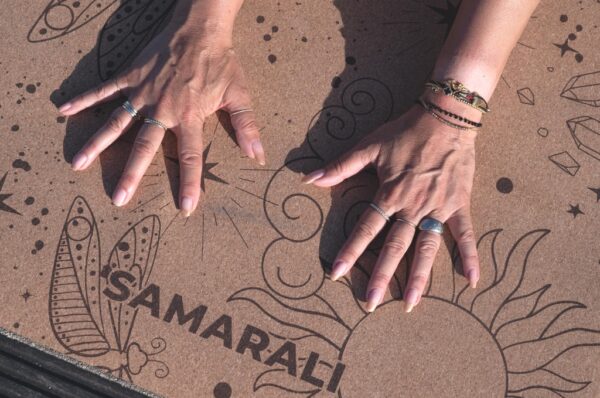
- Cork – Features cellular structure that naturally wicks moisture while providing antimicrobial properties and staying cooler to the touch
- Jute and hemp blends – Offer moderate wet-grip enhancement and work excellently as backing materials, providing structure while supporting primary grip surfaces
- Multi-material combinations – Some sustainable yoga mats blend natural materials to optimize both grip performance and environmental impact
Natural materials generally require a break-in period of three to five sessions, during which grip performance actually improves with regular use. This contrasts favorably with synthetic materials that often provide peak grip initially but degrade rapidly with repeated exposure to heat and moisture.
For practitioners attending hot yoga, hot pilates, or heated classes multiple times per week, this means a natural rubber or cork mat becomes a progressively better practice partner, adapting to your movement patterns and body chemistry over time and holding up far better for intense practice than any synthetic alternative.

Other natural mat materials: jute, hemp, and cotton
Jute and hemp are genuinely sustainable materials, but they function most effectively as backing or structural layers in a yoga mat rather than as primary grip surfaces. Both fibers absorb moisture readily, which can feel pleasant in moderate conditions, but neither replicates the wet-grip intensification that natural rubber develops as a hot yoga session progresses. A jute yoga mat or hemp yoga mat may be a sound choice for ambient-temperature practice, but in a heated studio environment, they are better understood as supportive components within a multi-layer construction than as standalone grip solutions.
Organic cotton presents a slightly different profile. Cotton grip does improve when wet, making it functional for moderate-sweat sessions — this is why traditional Mysore-style cotton rugs have been used in Ashtanga practice for generations. However, cotton retains moisture for longer than either rubber or cork, which can create hygiene concerns with repeated hot yoga use unless the mat is washed frequently. A cotton yoga mat for hot yoga is, therefore, a workable option only if your maintenance routine can accommodate regular, thorough cleaning after every session. For most practitioners attending heated classes multiple times per week, natural rubber and cork remain the superior choices — offering better grip, faster drying, and more practical long-term hygiene.
Matching your mat material to your hot yoga style
Bikram yoga is practiced in dry heat at approximately 40°C (105°F) over 90 minutes, with a fixed sequence of standing and floor postures held for extended periods. The sustained static load on hands and feet means ground contact and stability are paramount. A natural rubber mat at 3–4mm is the recommended Bikram yoga mat material, providing maximum floor feel and balance without the slight give that thicker mats can introduce when the rubber warms.
Vinyasa hot yoga involves continuous dynamic transitions, linking breath to movement across a full range of positions. The frequent weight shifts and hand placements demand a grip surface that responds instantly and reliably. A natural rubber mat at 4–5mm is the ideal vinyasa hot yoga mat, delivering the dynamic grip response that intensifies with movement and sweat while offering enough cushioning for repeated transitions.
Infrared yoga uses radiant dry heat rather than steam-humidified air, which means studio temperatures are elevated, but humidity levels are typically lower than in Bikram or hot vinyasa environments. This results in slightly less overall sweat accumulation, which makes cork’s consistent grip particularly effective — its performance does not depend on reaching a sweat threshold the way rubber’s tackiness does. Either a natural rubber or an infrared yoga mat in cork is a strong choice for this format.
Hot pilates is floor-intensive, with extended plank holds, lateral movements, and pike transitions that place sustained pressure on wrists, knees, and hips. Joint cushioning is a higher priority here than in standing-pose formats. A natural rubber hot pilates mat at 5–6mm provides the combination of directional grip during plank-to-pike sequences and the joint support needed for extended floor work in a heated environment.

How do you choose between natural rubber and cork for hot yoga and hot pilates practice?
Choose natural rubber if you prioritize maximum grip and dynamic flow sequences, or select cork if you prefer natural antimicrobial properties and lower-maintenance upkeep between heated class sessions. Rubber provides superior wet-grip performance that intensifies as sweat builds, making it the top recommendation for Bikram, vinyasa-style hot yoga, and hot pilates classes where floor-based movements and plank sequences demand reliable directional grip. Cork offers better odor resistance and requires only a simple wipe-down after each session, making it the preferred choice for hygiene-focused practitioners attending hot pilates or heated classes regularly.
Several key factors will guide your decision between these two excellent natural materials for hot yoga, hot pilates, and heated practice. Weighing each against your own session frequency, movement style, and maintenance habits will help you identify which mat holds up best for your specific intensity level:
| Criteria | Natural Rubber | Cork |
|---|---|---|
| Wet Grip Performance | Increases with sweat — becomes more tacky as moisture builds | Consistent throughout the session, regardless of sweat level |
| Heat Resistance | Maintains flexibility and structure up to 40°C | Stays cooler to the touch; stable under sustained heat |
| Maintenance Required | Thorough rinse or wash after every hot yoga session | Simple damp wipe-down after each session |
| Antimicrobial Properties | None inherent — requires regular cleaning to prevent bacteria | Natural antimicrobial properties inhibit bacterial growth |
| Cushioning Level | Higher — better joint support for floor-based work | Firmer — greater ground feel for standing poses |
| Eco-Impact | Sustainably tapped; tree regenerates naturally | Harvesting benefits cork oak forest ecosystems |
| Best For (practice style) | Bikram, vinyasa hot yoga, hot pilates | Infrared yoga, hygiene-focused heated classes |
| Latex Allergy Safe | No — not suitable for latex allergy sufferers | Yes — contains no latex |
| Typical Lifespan | 3–5 years with proper care | Often longer with correct maintenance |
Beyond the table above, three additional considerations are worth factoring into your decision. First, natural rubber has a break-in period of three to five sessions — grip continues to improve as the surface adapts to your body chemistry, so do not judge a rubber mat on its first use. Second, body chemistry varies: some practitioners find rubber’s tackiness more responsive to their sweat profile, while others find cork’s consistent surface more predictable. If possible, test both before committing. Third, if you split your time between a cork yoga mat for hot yoga and a rubber mat for pilates, a natural rubber mat at 4–5mm is the most versatile single option for practitioners who attend multiple heated class formats.
Your personal practice style, body chemistry, and environmental values will ultimately determine which material serves you best in hot yoga, hot pilates, or heated class environments. Both natural rubber and cork represent significant performance and sustainability upgrades over synthetic alternatives, and both hold up exceptionally well for hot yoga and intense practice when properly maintained.
For practitioners who split their time between hot yoga and hot pilates, natural rubber’s combination of superior cushioning and dynamic grip makes it the most versatile choice across both disciplines and the best yoga mat for hot classes overall. Yogis looking for the ideal balance between grip, comfort, and sustainability should also explore how cork yoga mats compare to rubber mats to better understand which material best suits their practice.
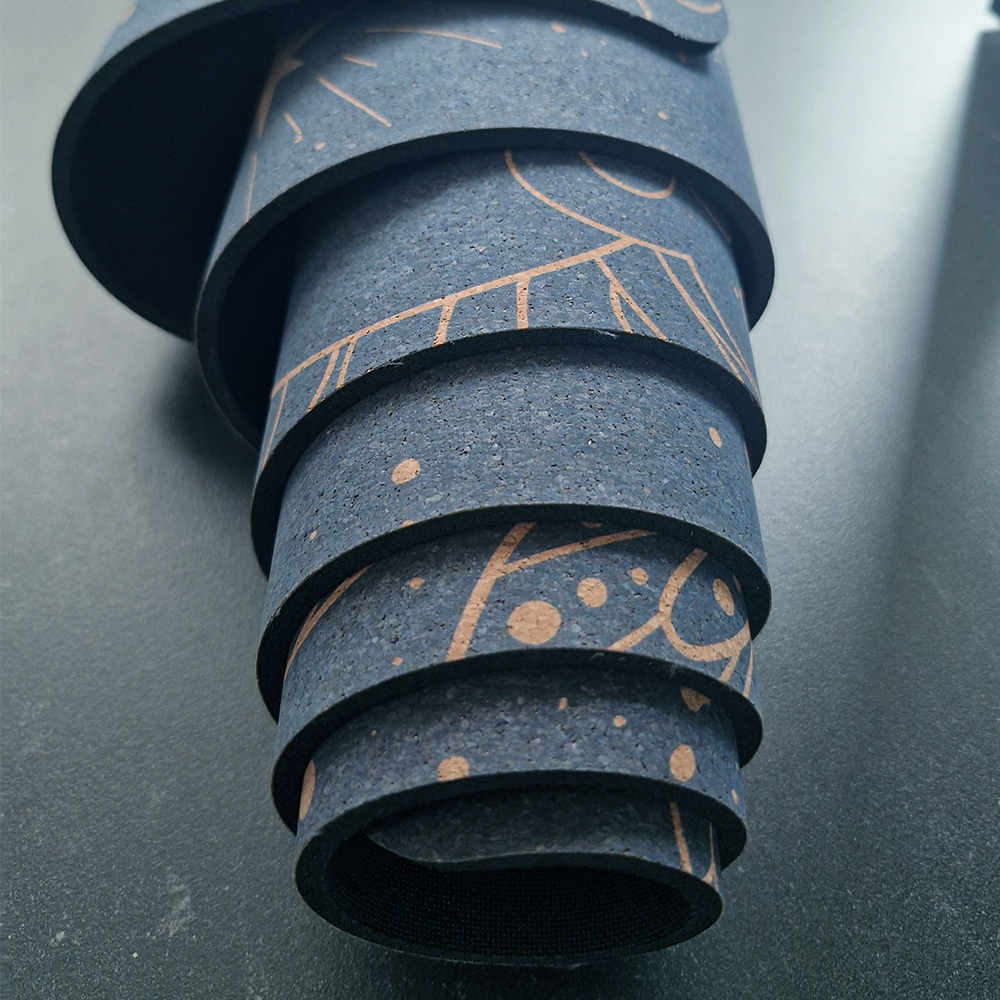
Your hot yoga mat buying checklist
Use this checklist when evaluating any hot yoga mat — not just material type, but the full set of criteria that determine whether a mat will genuinely support a high-heat, high-sweat practice. This is what to look for in a hot yoga mat before you invest:
- Material type — Is it natural rubber, cork, or a verified natural blend? Confirm the primary grip surface material, not just the backing.
- Wet grip rating — Does grip improve or remain consistent when wet? Avoid any mat described only as “non-slip” without specifying wet-grip performance.
- Thickness — Is the thickness appropriate for your primary practice style? (See the thickness guidance section below for format-specific recommendations.)
- Maintenance requirements — Does the cleaning routine fit your schedule? A mat that requires a 20-minute post-session clean may not be practical if you attend classes five times per week.
- Certifications — Does it carry OEKO-TEX, FSC, or an equivalent natural material verification? These are the credible third-party signals that confirm genuine material safety.
- Latex considerations — If you have a latex sensitivity, is cork confirmed as the base material? Do not rely on marketing language alone — check the full material specification.
- Durability — What is the expected lifespan under regular hot yoga use? A mat that costs less upfront but needs replacing every 12 months is rarely the better investment.
- Eco-credentials — Is the material sustainably harvested and free from synthetic coatings or fillers? Look for specific sourcing information, not just the word “eco.”
Our natural rubber yoga mat is designed to meet all eight of these criteria — from OEKO-TEX certification and sustainably sourced rubber to a grip surface that improves with every sweaty session. You can explore it alongside complementary accessories via the natural rubber yoga mat product page. This hot yoga mat buying guide framework applies to any mat you consider, and we encourage you to use it as your reference point throughout your research.
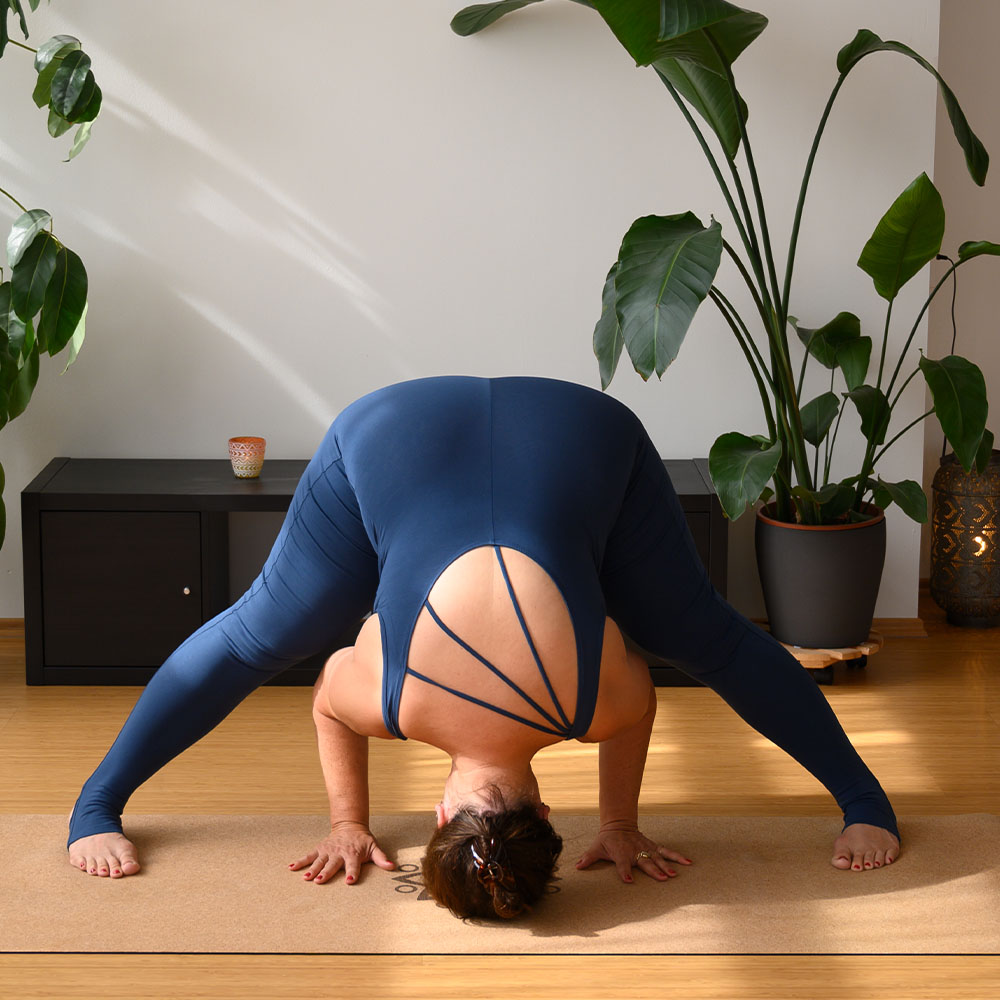
What thickness yoga mat is best for hot yoga, Bikram, and hot pilates?
Choosing the right thickness for a heated practice involves a consideration that does not apply at room temperature: natural materials soften slightly as they warm. A mat that feels perfectly stable on a cool studio floor may feel marginally less grounded at 38–40°C, which means the thickness that works for ambient-temperature yoga may not be the optimal yoga mat thickness for hot yoga. This heat-softening effect is modest in high-quality natural rubber — it does not compromise performance — but it does mean that erring toward the lower end of a thickness range is generally the better approach for standing-pose-heavy formats.
Bikram and standing-pose hot yoga
Bikram yoga and other standing-pose-heavy hot yoga formats demand maximum ground contact and balance. For these practices, a mat thickness of 3–4mm is recommended — thin enough to maintain a direct, stable connection with the floor during extended standing holds, while still providing a minimal layer of surface protection. The best mat thickness for Bikram prioritizes ground feel over cushioning, and natural rubber at this thickness delivers precisely that.
Vinyasa-style hot yoga
Vinyasa hot yoga involves continuous transitions between standing, kneeling, and prone positions, placing moderate demands on both grip and joint support. A thickness of 4–5mm strikes the right balance — enough cushioning to protect wrists and knees during repeated transitions without introducing instability during standing sequences. A 4–5mm natural rubber mat is also the most versatile option for practitioners who attend multiple heated class formats, making it the recommended default for most hot yoga practitioners.
Hot pilates and floor-based heated classes
Hot pilates mat cushioning requirements are higher than those of standing-pose yoga formats. Extended plank holds, lateral movements, and floor-based sequences place sustained pressure on wrists, hips, and knees, making joint protection a genuine priority. A thickness of 5–6mm is recommended for hot pilates and floor-intensive heated classes. Going above 6mm in natural rubber is not recommended for heated environments, as the combination of added thickness and heat-softening can compromise stability during weight-bearing positions.
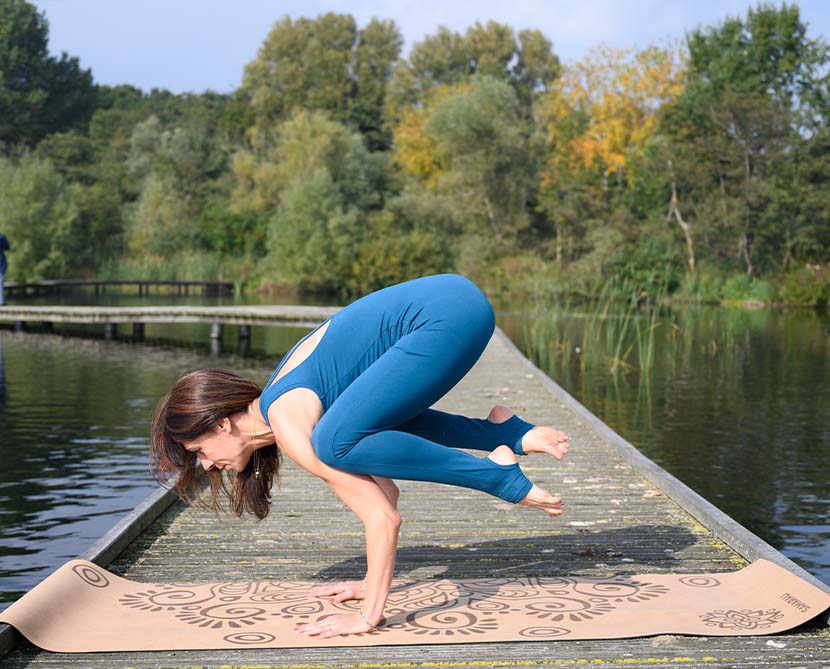
How to clean and care for your hot yoga mat after every session
A hot yoga mat endures more stress per session than almost any other fitness equipment — heat, sustained sweat exposure, and repeated mechanical pressure all accelerate material wear and bacterial growth. Proper care after every session is not optional maintenance; it is what determines whether your mat performs well in its second year as well as its first. The cleaning routine differs meaningfully between natural rubber and cork, so it is worth understanding the specific needs of each material.
Caring for your natural rubber hot yoga mat
Follow these steps after every hot yoga session to keep your natural rubber mat in peak condition:
- Rinse with cool or lukewarm water — Never use hot water on natural rubber. Sustained heat exposure during cleaning accelerates material degradation over time, even if the mat handles studio temperatures well.
- Clean with a mild, diluted soap — A small amount of mild, plant-based soap diluted in water is sufficient for routine cleaning. Diluted white vinegar (one part vinegar to four parts water) is an effective natural alternative that also neutralises odour.
- Wipe the full surface — Use a clean cloth or soft sponge to wipe both sides of the mat, paying particular attention to areas of heaviest sweat contact.
- Rinse thoroughly — Ensure no soap residue remains, as detergent buildup can reduce surface tackiness over time.
- Air-dry flat or hanging — Never roll a wet rubber mat for storage, and keep it out of direct sunlight. UV exposure degrades natural rubber, and rolling while wet can encourage mildew in the inner layers.
For practitioners attending hot yoga multiple times per week, this full rinse-and-clean routine should be completed after every session. How to clean a yoga mat after hot yoga is one of the most common questions we hear — and the honest answer is that consistency matters more than any specific product.
Caring for your cork hot yoga mat
Cork’s natural antimicrobial properties mean it requires less intensive cleaning than rubber, but it does need regular care to maintain its surface integrity:
- Wipe down after each session — Use a damp cloth to wipe the cork surface after every hot yoga class. This removes sweat and surface residue before it can penetrate the cork cells.
- Avoid soaking or submerging — Cork should never be submerged in water or left saturated. Excessive moisture exposure can cause the cork layer to separate from its backing over time.
- Use a minimal cleaning solution when needed — A lightly dampened cloth is sufficient for routine sessions. For a deeper clean every one to two weeks (appropriate for regular hot yoga use), a very diluted mild soap solution or diluted white vinegar applied with a damp cloth works well.
- Air-dry in a well-ventilated space — Allow the cork surface to dry fully before rolling for storage. Avoid direct sunlight, which can dry out and crack the cork over time.
Because cork inhibits bacterial growth naturally, deep cleaning every one to two weeks is sufficient for most regular hot yoga practitioners — a meaningful advantage over rubber in terms of hot yoga mat care and time investment.
For both mat types, store your mat rolled loosely (never folded) in a cool, well-ventilated space away from direct sunlight and heat sources between sessions. Folding creates permanent creases in both rubber and cork that can affect surface flatness and grip performance over time. Yoga mat maintenance is straightforward when it becomes part of your post-session routine — and a well-maintained natural mat will consistently outperform a neglected one, regardless of material quality.

Frequently asked questions about hot yoga mat materials
Can I use a regular yoga mat for hot yoga?
Standard PVC and TPE yoga mats are engineered for room-temperature practice and are not well suited to heated studio environments. In sustained heat above 35°C, PVC mats can off-gas chemical compounds, become slippery as sweat accumulates, and lose structural integrity over repeated sessions. TPE mats may warp under prolonged heat exposure. For safe, high-performance hot yoga practice, a mat made from natural rubber or cork is strongly recommended over any synthetic alternative.
How thick should a hot yoga mat be?
The right thickness depends on your practice format. For Bikram and standing-pose-heavy hot yoga, 3–4mm provides the ground feel and stability these formats demand. Vinyasa hot yoga suits a 4–5mm mat, which balances flow and joint support. Hot pilates and floor-based heated classes benefit from 5–6mm for joint cushioning during extended floor work. See the thickness guidance section above for a full breakdown by practice style.
Is natural rubber or cork better for hot yoga?
Natural rubber is the stronger performer for dynamic, high-sweat hot yoga formats — its grip intensifies as moisture builds, making it the best material for Bikram, vinyasa, and hot pilates. Cork is the better choice if you prioritize hygiene, lower maintenance, and a consistent grip that does not depend on reaching a sweat threshold. The right answer depends on your practice style, maintenance preferences, and whether you have a latex sensitivity.
Can I use a natural rubber mat if I have a latex allergy?
No. Natural rubber is derived from the latex of the Hevea brasiliensis tree and is not suitable for practitioners with a confirmed or suspected latex allergy. Cork is the recommended alternative — it delivers strong, consistent grip in heated environments and contains no latex whatsoever. Always check the full material specification of any mat if latex sensitivity is a concern.
How do I stop slipping on my yoga mat during hot yoga?
The most effective solution is to switch to a mat material whose grip improves with moisture rather than degrading. Natural rubber develops increasing tackiness as sweat builds, and cork maintains consistent traction throughout a session — both are specifically designed to perform without slipping in sweaty yoga conditions. Synthetic mats, by contrast, typically offer their best grip when dry and become progressively more slippery as moisture accumulates. Unlike PVC mats, neither natural rubber nor cork requires a yoga towel to maintain safe traction during hot yoga. While choosing the right material is essential for hot yoga, proper mat care and positioning also play an important role in stability — especially during dynamic movements. You can explore more practical tips in our guide on How to prevent your yoga mat from sliding during practice.
How often should I replace my hot yoga mat?
A well-maintained natural rubber mat typically lasts three to five years under regular hot yoga use. Cork mats often maintain their performance for longer, provided the cork layer is not exposed to excessive moisture or UV light. The clearest signs that replacement is needed are visible surface degradation, a permanent loss of grip even after thorough cleaning, or structural delamination between layers. Consistent post-session care — as outlined in the maintenance section above — is the single biggest factor in extending mat lifespan.
Do I need a yoga towel with a natural rubber or cork mat?
No. Natural rubber and cork mats are specifically designed to perform without a yoga towel in hot yoga conditions. Rubber’s grip intensifies with sweat, and cork’s cellular structure wicks moisture while maintaining traction — both materials are engineered to make a towel unnecessary. Yoga towels are primarily a workaround for the limitations of PVC and synthetic mats, which become slippery when wet. Switching to a natural rubber yoga mat for hot yoga or a cork mat eliminates the need for that additional layer entirely.
Choosing the right sustainable yoga mat material for hot yoga and hot pilates ultimately comes down to balancing grip performance, maintenance preferences, and personal comfort during high-heat, high-humidity sessions. Both natural rubber and cork offer significant advantages over synthetic alternatives while supporting environmentally responsible practice. Consider exploring complete yoga sets that include complementary accessories alongside our natural rubber yoga mat to create a comprehensive setup for hot yoga, heated classes, or hot pilates. We focus on natural materials that enhance your practice quality while supporting planetary health, because we believe the best yoga mat for hot classes should perform as well for the environment as it does for your session.
Browse our collection of thoughtfully crafted sustainable yoga essentials designed for hot yoga, hot pilates, and heated classes, made with respect for both your practice and the planet.