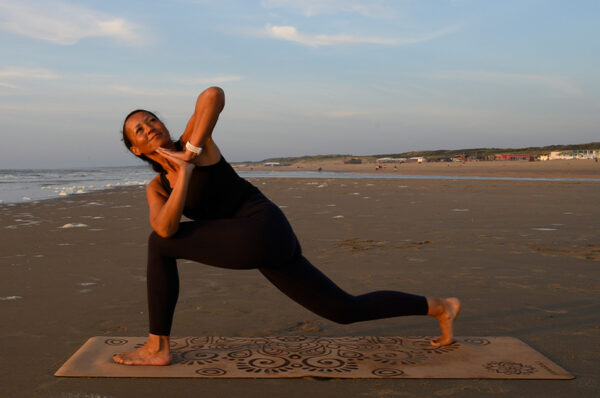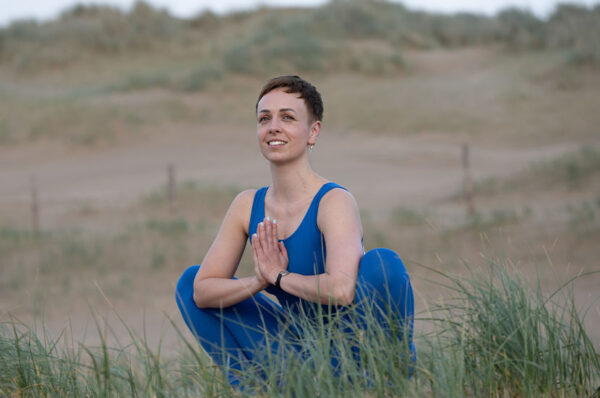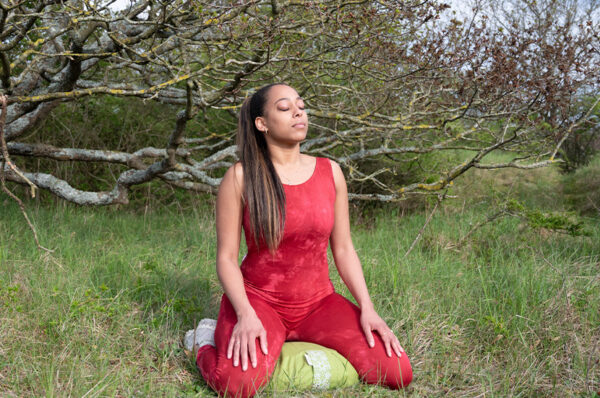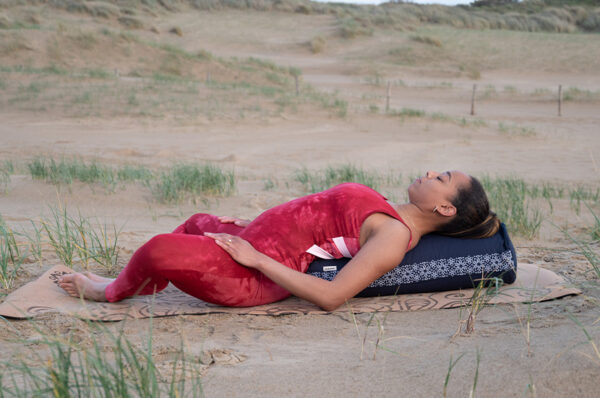



Trauma-informed yoga is a therapeutic approach that prioritises physical and emotional safety by recognising how trauma affects the nervous system and body. Unlike traditional yoga, it emphasises student choice, uses invitational language, and creates psychologically safe spaces for healing. This approach helps trauma survivors practise yoga without triggering past experiences while supporting their recovery journey.
What is trauma-informed yoga and how is it different from regular yoga?
Trauma-informed yoga is a specialised approach that integrates an understanding of trauma’s impact on the nervous system with traditional yoga practices. It centres on three core principles:
- Choice: Students maintain complete agency over their bodies and practice decisions
- Safety: Physical and emotional safety takes precedence over physical achievement
- Awareness: Teachers and students remain mindful of potential triggers and responses
These principles work together to create an environment where healing can occur naturally, allowing practitioners to rebuild trust with their bodies while developing essential self-regulation skills that support long-term recovery.
The differences from regular yoga are significant in both language and approach:
- Language shifts: Teachers use phrases like “if it feels right for you” instead of direct commands like “push deeper”
- Physical boundaries: Adjustments require explicit consent and are often eliminated entirely
- Flexibility focus: Students can modify poses freely, keep eyes open during meditation, or leave without explanation
- Achievement vs awareness: The practice emphasises safely reconnecting with bodily sensations rather than pushing physical limits
This fundamental shift from performance-based to awareness-based practice creates space for genuine healing rather than potential re-traumatisation, making trauma-informed yoga a powerful therapeutic tool.
Why do some people need trauma-informed yoga practices?
Trauma affects the nervous system by creating heightened states of alertness, disconnection from bodily sensations, or both simultaneously. When someone experiences trauma, their nervous system can become stuck in survival mode, making typical yoga environments feel unsafe or overwhelming.
Traditional yoga settings can inadvertently trigger trauma responses through various common elements:
- Environmental triggers: Dimmed lighting might feel threatening to someone with assault history
- Vulnerability concerns: Instructions to close eyes during meditation can create panic and feelings of exposure
- Physical contact: Adjustments without clear consent can trigger body memories and past trauma
- Breathing instructions: Commands to “breathe deeper” may cause distress for those who’ve experienced suffocation or panic attacks
These triggers highlight why healing yoga practices must acknowledge trauma’s complex impact on both mind and body, creating alternatives that support rather than overwhelm the nervous system’s natural healing capacity.
Trauma-informed approaches help people reconnect with their bodies gradually and safely, allowing the nervous system to experience calmer states. The goal is not to avoid all discomfort but to distinguish between growth-edge sensations and trauma activation, helping survivors rebuild body trust while developing crucial self-regulation skills.
What makes a yoga class truly trauma-informed?
Safe yoga environments incorporate specific elements that create comprehensive psychological safety:
- Invitational language: Teachers offer options rather than directions, saying “notice what feels right” instead of commanding specific poses
- Student agency: People can modify poses, take breaks, or practice variations without explanation or justification
- Consent-based touch: Physical adjustments require explicit, ongoing permission, though many teachers avoid them entirely
- Environmental stability: Consistent lighting, clear sight lines to exits, and predictable class structures enhance safety
- Power awareness: Teachers acknowledge their authority position and actively work to minimise power imbalances
These elements combine to create an atmosphere where trauma survivors can explore movement and breathwork without fear of triggering past experiences, allowing the nervous system to gradually learn that yoga practice can be a source of safety rather than stress.
How can you find or create trauma-informed yoga experiences?
Finding qualified trauma-informed yoga teachers requires asking specific, targeted questions:
- Training verification: Enquire about trauma-informed certifications beyond standard yoga teacher training
- Approach clarification: Ask about their policies on physical adjustments and student choice during class
- Studio commitment: Contact studios to understand their trauma-informed policies and teacher qualifications
- Safety protocols: Learn how they create and maintain safe spaces for all students
For those developing home practice, creating trauma-informed guidelines involves establishing personal safety measures like good lighting, easy exit access, keeping eyes open when preferred, and moving at your own pace. Having supportive props like a yoga bolster can provide additional comfort and stability during practice. Remember that your needs may evolve, and what feels safe can change over time.
Resources for continued learning include specialised teacher training programmes, expert-authored books, online communities focused on therapeutic yoga, and workshops designed specifically for trauma survivors. Trust your instincts about teachers, environments, and practices that genuinely support your wellbeing journey.
Understanding trauma-informed yoga helps create safer healing spaces for everyone. Whether you are seeking classes or developing a personal practice, prioritising choice, safety, and awareness supports genuine healing. At Samarali, we believe mindful practices should nurture both personal wellness and inclusive spaces where everyone feels safe exploring their yoga journey, supported by sustainable, organic cotton props that encourage gentle, healing-focused practice.
Browse our selection of thoughtfully crafted collection of sustainable yoga essentials—designed for mindful movement and made with respect for the planet.