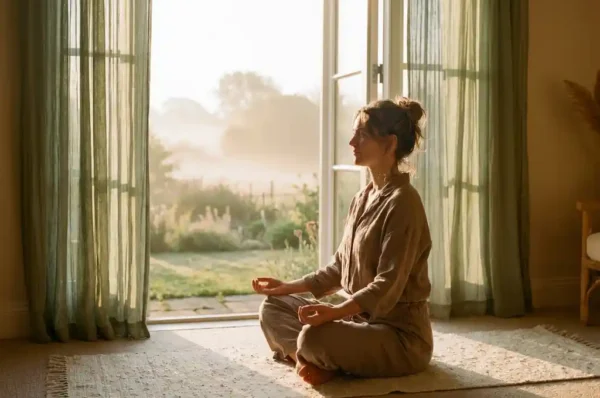



Starting a meditation practice for beginners involves finding a quiet space, sitting comfortably, and focusing on your breath for just 3-5 minutes daily. You don’t need special equipment or spiritual beliefs – meditation is simply training your attention to stay present. The key is consistency over duration, gradually building this mindfulness practice into your daily routine.
What is meditation and why should beginners try it?
Meditation is the practice of training your attention to stay focused on the present moment, typically by concentrating on your breath, body sensations, or a specific object. It’s simply about developing awareness of what’s happening right now, without getting caught up in thoughts about the past or future.
You don’t need any special skills, spiritual beliefs, or mystical experiences to meditate successfully. Think of it as mental fitness training – just as you might do push-ups to strengthen your muscles, meditation strengthens your ability to focus and stay calm.
The benefits for beginners include both immediate and long-term improvements to your wellbeing:
- Reduced stress levels: Many people notice feeling calmer and less overwhelmed within the first few weeks of regular practice
- Better sleep quality: Regular meditation helps quiet racing thoughts that often interfere with restful sleep
- Improved focus at work: Training your attention during meditation translates to better concentration throughout your day
- Enhanced emotional balance: You’ll develop the ability to respond more calmly to challenging situations rather than reacting impulsively
- Greater self-awareness: Meditation helps you recognize thought patterns and emotional triggers before they overwhelm you
These benefits work together to create a more balanced, mindful approach to daily life. Unlike popular misconceptions, meditation isn’t about stopping your thoughts or achieving a blank mind. Your mind will wander – that’s completely normal and expected. The practice is simply noticing when your attention drifts and gently bringing it back to your chosen focus point.
How long should beginners meditate each day?
Beginners should start with just 3-5 minutes of daily meditation practice. This might seem surprisingly short, but consistency matters far more than duration when you’re building a new habit. A brief daily practice creates lasting benefits, while sporadic longer sessions often lead to abandoning the practice altogether.
The progression timeline for building your practice should follow these guidelines:
- Weeks 1-3: Stick to 5 minutes daily to establish the habit without feeling overwhelmed
- Weeks 4-6: Increase to 7-8 minutes once the routine feels natural and automatic
- Weeks 7-9: Extend to 10 minutes as your concentration and comfort levels improve
- Beyond 2 months: Add 2-3 minutes every few weeks until reaching your preferred duration
- Long-term practice: Many practitioners find 10-20 minutes provides optimal benefits without feeling burdensome
This gradual approach ensures you build a sustainable meditation habit that enhances rather than stresses your daily routine. Listen to your body and mind throughout this progression – if longer sessions feel forced or create anxiety, maintain shorter durations that feel comfortable and achievable.
What do you actually need to start meditating at home?
You need remarkably little to start a meditation practice at home: a quiet space where you won’t be interrupted, comfortable seating, and 5-10 minutes of time. That’s genuinely all that’s required – no expensive equipment, special apps, or perfect conditions necessary.
Here are the essential elements for creating your meditation space:
- Comfortable seating: Any chair that supports good posture works, including dining chairs, sofas, or even sitting on your bed against the wall
- Quiet location: Choose any spot where you won’t be disturbed – a bedroom corner, living room area, or kitchen table all work perfectly
- Minimal distractions: Turn off notifications on your phone and let household members know you need a few uninterrupted minutes
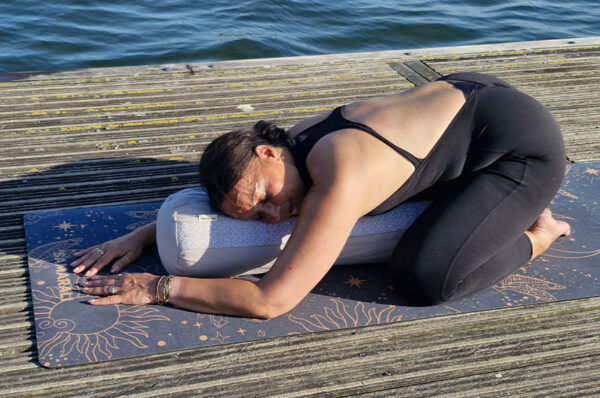
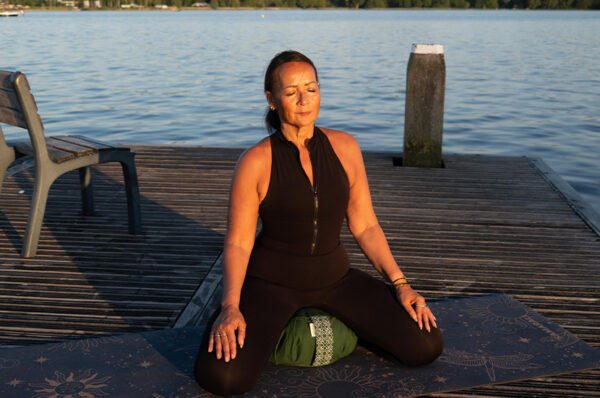
- Optional floor support: If you prefer sitting on the ground, a meditation cushion or folded blanket can provide extra comfort
- Noise management: Perfect silence isn’t necessary, but earplugs or soft instrumental music can help in very noisy environments
Your meditation space doesn’t need to look perfect or be permanently dedicated to practice – the most important factor is consistency in showing up for yourself. Many successful meditators practice in ordinary spaces like their bedroom or living room, using a simple meditation mat for added comfort, proving that the environment matters far less than your commitment to regular practice.
What are the most common challenges new meditators face?
The most common challenge beginners encounter is racing thoughts and the belief they’re “doing it wrong” when their mind wanders. This happens to everyone – even experienced meditators deal with busy minds. The wandering isn’t a failure; noticing it and returning attention to your breath is actually the meditation working.
New meditators typically encounter these specific obstacles during their first few weeks:
- Racing thoughts: Your mind will wander constantly, but this is normal – the practice is noticing the wandering and gently returning focus
- Physical discomfort: Back aches, restless legs, or fidgety feelings are common as your body adjusts to sitting still
- Restlessness and guilt: You might feel like you should be doing something more productive instead of sitting quietly
- Inconsistent practice: Busy schedules and forgetfulness make it easy to skip days or abandon the habit entirely
- Unrealistic expectations: Many beginners expect immediate dramatic results or mystical experiences that don’t occur
- Self-judgment: Criticizing yourself for having thoughts or not feeling calm enough can create additional stress
These challenges are universal experiences that every meditator faces, not signs of personal failure or lack of ability. Understanding that discomfort and mental chatter are part of the learning process helps you approach meditation with patience and self-compassion. The practice develops gradually over weeks and months, so maintaining realistic expectations and celebrating small progress creates a much more enjoyable and sustainable journey.
Starting your meditation journey doesn’t require perfection or special circumstances – just willingness to spend a few quiet minutes with yourself each day. As you develop this beginner meditation practice, you’ll likely find that these small moments of mindfulness begin to positively influence other areas of your life. At Samarali, we support your wellness journey with thoughtfully designed meditation accessories made from organic cotton, packaged without plastic, helping you create a sustainable practice that benefits both you and the planet. Browse our selection of thoughtfully crafted collection of sustainable yoga essentials—designed for mindful movement and made with respect for the planet.