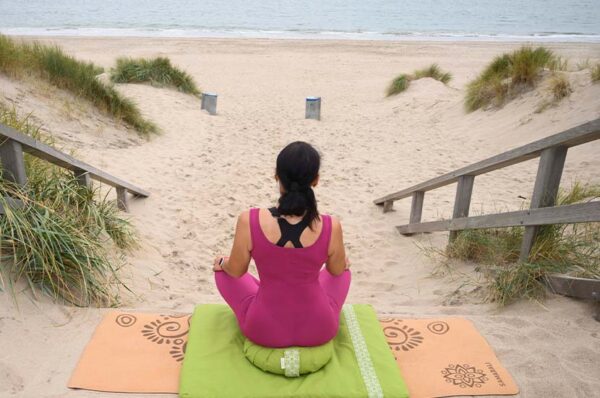



The main difference between yoga props for beginners and advanced practitioners lies in their complexity and purpose. Beginner props focus on stability, support, and safety while learning basic poses, typically including blocks, straps, and bolsters. Advanced props challenge balance, deepen poses, and enable complex movements, featuring equipment like wheels, inversion aids, and resistance tools. Your skill level, flexibility, and practice goals determine which yoga equipment differences will best support your journey.
What exactly are yoga props and why do different skill levels need different equipment?
Yoga props are supportive tools that enhance your practice by providing stability, alignment assistance, and accessibility to poses. They bridge the gap between your current abilities and your practice goals, making yoga safer and more effective regardless of your experience level.
The fundamental reason different skill levels need different equipment comes down to varying physical capabilities and practice objectives:
- Body awareness development: Beginners are still learning to understand their body’s signals and limitations, requiring props that provide clear feedback and prevent overextension
- Strength and flexibility progression: Your muscular development and range of motion change significantly over time, necessitating equipment that matches your current capabilities
- Alignment learning curve: New practitioners need maximum support to establish proper form, while experienced yogis can maintain alignment while being challenged
- Risk tolerance evolution: Advanced practitioners can safely handle unstable or challenging equipment that would be inappropriate for beginners
- Practice goals shifting: Beginners focus on learning basics safely, while advanced practitioners seek deeper exploration and complex variations
This natural progression reflects the journey from external support to internal mastery. As your practice evolves, your relationship with props transforms from dependence to creative exploration, requiring different types of equipment that match your developing capabilities and changing aspirations.
Which yoga props should beginners start with and what makes them different?
Beginner yoga props should prioritise stability and support, with yoga blocks, straps, and bolsters forming the essential foundation. These yoga props for beginners are designed with wider bases, softer materials, and forgiving surfaces that accommodate learning curves and provide confidence-building support.
Essential beginner props each serve specific supportive functions:
- Yoga blocks: Bring the ground closer in poses like triangle or seated forward fold, featuring rounded edges and non-slip surfaces for safety and stability
- Yoga straps: Extend your reach in binding poses and provide gentle assistance in stretches, with wide, comfortable webbing that won’t dig into skin during longer holds
- Bolsters: Support restorative poses and meditation practice with firm yet comfortable positioning, typically featuring organic cotton covers for extended contact comfort
- Blankets: Provide warmth during relaxation poses and can be folded for additional height or cushioning in seated positions
- Basic meditation cushions: Elevates hips above knees for comfortable seated practice, reducing strain on lower back and knees during longer sits
These foundational props share key characteristics that make them ideal for beginners: they offer predictable support, have forgiving surfaces that accommodate imperfect alignment, and build confidence rather than create additional challenges. They help establish proper form while your body develops the strength and flexibility needed for independent practice, creating a safe learning environment that encourages consistent practice and gradual progression.
What advanced yoga props do experienced practitioners use and why?
Advanced yoga props include wheels, inversion aids, resistance bands, and specialised blocks that challenge stability and enable complex pose variations. These tools assume you already have solid foundational strength, flexibility, and body awareness, focusing on deepening your practice rather than providing basic support.
Advanced practitioners incorporate sophisticated equipment for specific enhancement purposes:
- Yoga wheels: Enable deeper backbends and spinal mobility work while providing unstable surfaces that challenge core strength and balance
- Inversion aids: Support advanced inverted poses like headstands and forearm stands, allowing longer holds and complex variations safely
- Resistance bands and sliders: Add instability and strength challenges to familiar poses, engaging stabilising muscles more deeply while creating progressive resistance
- Curved or unstable blocks: Challenge proprioception and balance rather than providing stable support, requiring greater control and strength
- Aerial silks or hammocks: Support advanced poses while adding the element of suspension, enabling deep hip openers and inverted variations
- Balance boards and wobble cushions: Create unstable surfaces that demand increased focus and muscular engagement in standing poses
The fundamental difference lies in purpose and assumption of competency. While beginner props compensate for limitations, advanced props deliberately create challenges that push practitioners beyond their comfort zones. They assume mastery of basic alignment and sufficient strength to handle instability safely, focusing on exploration, deepening, and progressive skill development rather than foundational support.
How do you know when it’s time to upgrade your yoga prop collection?
You’re ready to upgrade your yoga accessories guide when basic props feel limiting rather than supportive, and you can maintain proper alignment in fundamental poses without assistance. Clear progression markers include holding poses confidently, wanting deeper variations, and finding your current props too easy or restrictive.
Several key indicators signal readiness for advanced equipment:
- Physical competency achieved: You can hold warrior III with stability, maintain triangle pose with correct form, and complete sun salutations with smooth transitions independently
- Props becoming redundant: Blocks feel too high even at lowest setting, straps rarely get used because you can reach binds naturally, or you’re modifying basic props to increase difficulty
- Curiosity about progression: You feel drawn to explore pose variations, deeper expressions, or longer holds that require additional support or challenge
- Consistent practice established: You maintain regular practice for several months and have developed body awareness to recognise proper alignment without constant guidance
- Plateau in current practice: Your progress has stabilised with current equipment, and you’re seeking new ways to challenge and develop your capabilities
- Injury-free practice history: You’ve demonstrated ability to practice safely without recurring injuries or alignment issues
The transition should happen gradually and mindfully. Consider borrowing or trying advanced props at studios before purchasing, ensuring they truly serve your practice evolution rather than simply adding to your collection. When upgrading, choose sustainable mindful yoga practice tools like organic cotton yoga blankets and plastic-free options that align with your values while supporting your developing practice. This thoughtful approach ensures your equipment serves both your personal growth and environmental responsibility.
Understanding the differences between beginner and advanced yoga props helps you make informed choices that support your practice journey. Whether you’re starting with basic blocks and straps or exploring advanced wheels and inversion aids, the right equipment enhances safety, builds confidence, and supports your growth. At Samarali, we believe your yoga prop selection should reflect both your practice needs and your values – that’s why all our yoga and meditation gear uses organic cotton fabric and completely plastic-free packaging, supporting your mindful practice while caring for our planet.
Browse our selection of thoughtfully crafted collection of sustainable yoga essentials—designed for mindful movement and made with respect for the planet.