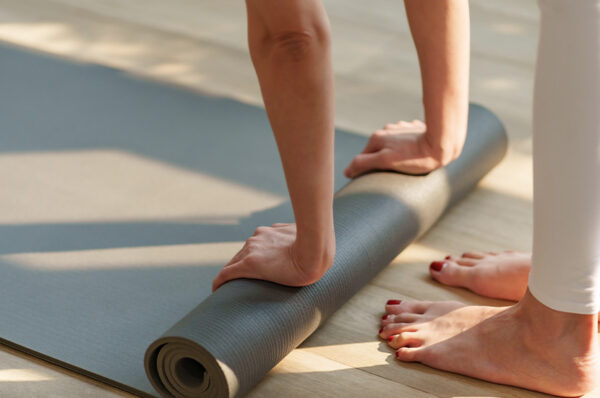



Sustainable yoga mats are made from natural materials like organic rubber, cork, jute, or organic cotton, and are certified non-toxic by third-party organisations. These eco-friendly yoga mats avoid harmful chemicals like phthalates and PVC while offering excellent performance. Look for certifications like GREENGUARD or OEKO-TEX to ensure both environmental sustainability and health safety for your practice.
What materials make a yoga mat truly sustainable and safe?
The most sustainable yoga mats are crafted from specific natural materials that offer both environmental benefits and superior performance:
- Natural rubber: Harvested from rubber trees that can be tapped for 25–30 years without damage, creating a renewable resource that supports sustainable forestry
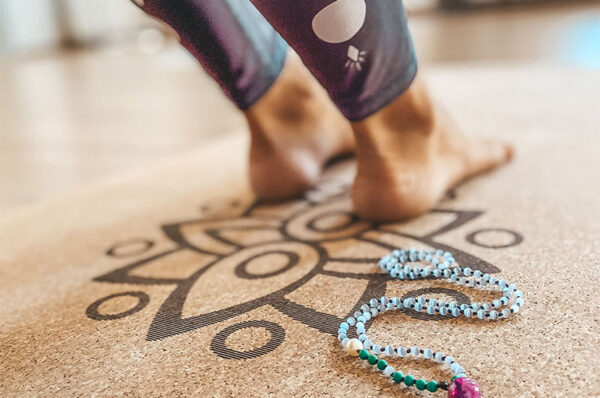
- Cork: Extracted from oak tree bark that regenerates every nine years, providing antimicrobial properties and excellent stability for your practice
- Jute: A fast-growing plant requiring minimal water that offers firm support with a natural texture that actually improves with use
- Organic cotton: Grown without pesticides or synthetic fertilisers, protecting soil health while providing comfortable cushioning
These natural materials create a complete sustainable cycle from production to disposal. Unlike conventional PVC mats that persist in landfills for decades while releasing toxic chemicals, sustainable materials biodegrade naturally and actually return nutrients to the soil. The manufacturing processes for these materials also require significantly less energy and produce fewer emissions than petroleum-based alternatives, making them the clear choice for environmentally conscious practitioners.
PVC-free yoga mats eliminate exposure to phthalates, heavy metals, and other harmful substances that can off-gas during your practice, ensuring your wellness routine doesn’t compromise your health or indoor air quality.
How do you identify genuinely non-toxic yoga mats?
Identifying truly non-toxic yoga mats requires looking beyond marketing claims to verified certifications and material transparency:
- GREENGUARD Gold certification: Tests for low chemical emissions, ensuring your mat won’t release harmful volatile organic compounds into your practice space
- OEKO-TEX Standard 100: Verifies textiles are free from harmful chemicals including phthalates, heavy metals, and formaldehyde
- Cradle to Cradle certification: Evaluates the entire product lifecycle for both environmental impact and human health safety
- Material transparency: Reputable manufacturers clearly list all materials and provide detailed testing results rather than using vague “eco-friendly” terminology
- Chemical-free indicators: Look for specific claims like “phthalate-free,” “lead-free,” and “formaldehyde-free” backed by documentation
These certifications work together to ensure comprehensive safety testing from multiple independent organisations. Avoid mats with strong chemical odours upon unpacking or those requiring extensive airing out, as this indicates ongoing chemical off-gassing. Organic yoga mats should specify which materials carry organic certification and from which recognised body, providing complete traceability for your peace of mind.
What’s the difference between natural rubber and synthetic yoga mats?
Natural rubber yoga mats and synthetic alternatives differ significantly in both environmental impact and performance characteristics:
- Environmental impact: Natural rubber biodegrades completely and supports carbon sequestration, while synthetic mats are petroleum-based and persist in landfills indefinitely
- Grip performance: Natural rubber offers superior traction that actually improves when slightly damp, making it ideal for hot yoga, while synthetic mats provide consistent but non-adaptive grip
- Durability and adaptation: Natural rubber moulds to your body over time and becomes more comfortable with use, whereas synthetic mats may develop permanent indentations or lose grip with regular use
- Manufacturing process: Natural rubber production requires less energy and creates no toxic waste, while synthetic mat production involves intensive petroleum processing
- Weight and cost considerations: Natural rubber tends to be heavier and costs more upfront, but synthetic mats often require replacement more frequently
The choice between natural and synthetic ultimately impacts both your practice experience and environmental footprint. Biodegradable yoga mats made from natural rubber support sustainable forestry practices while providing superior performance that improves over time. Though natural rubber may trigger latex allergies in sensitive individuals, the long-term value and environmental benefits typically outweigh the higher initial investment for most practitioners.
How do sustainable yoga mats perform compared to conventional options?
Environmentally friendly yoga mats consistently match or exceed conventional mat performance across all key areas while providing additional benefits:
- Grip performance: Natural rubber excels in moisture conditions, cork offers consistent antimicrobial grip, and jute provides stable traction that enhances with use
- Durability advantage: High-quality natural materials can last 5–10 years with proper care, often outlasting multiple conventional PVC mats
- Adaptive comfort: Sustainable materials improve over time, developing better cushioning and grip as they adapt to your specific practice patterns
- Maintenance benefits: Natural materials require gentler cleaning products, which actually extends their lifespan and maintains performance better than harsh chemicals
- Style versatility: Different sustainable materials suit various practices—natural rubber for restorative work, cork or jute for dynamic styles
These performance advantages demonstrate that choosing sustainable materials doesn’t require compromising your practice quality. Yoga sets often provide superior long-term value through extended lifespan and maintained performance, making the initial investment worthwhile. The combination of environmental responsibility and enhanced functionality makes sustainable mats the optimal choice for conscious practitioners seeking both performance and planetary stewardship.
Choosing sustainable and non-toxic yoga mats supports both your health and environmental wellbeing without compromising your practice quality. Natural materials like rubber, cork, and jute offer excellent performance while eliminating exposure to harmful chemicals found in conventional mats. At Samarali, we understand the importance of aligning your yoga practice with your values, which is why all our fabric is made from organic cotton and we never use plastic in our product packaging, ensuring your wellness journey supports planetary health too.
Browse our selection of thoughtfully crafted collection of sustainable yoga essentials—designed for mindful movement and made with respect for the planet.