


Certain yoga styles reduce stress and anxiety more effectively than others because they focus on gentle movements, controlled breathing, and mindful awareness. Restorative yoga, Hatha yoga, and Yin yoga activate your body’s relaxation response, helping calm an overactive nervous system. These practices combine physical postures with breathing techniques that directly counteract stress hormones and promote mental clarity.
What makes certain yoga styles better for stress and anxiety relief?
Specific yoga styles excel at stress relief because they target your body’s parasympathetic nervous system, which controls your relaxation response. When you practice slow, mindful movements combined with deep breathing, you activate this system and reduce cortisol production while increasing feel-good neurotransmitters.
The most effective stress-relieving yoga styles share several key characteristics:
- Controlled breathing techniques – Deep, rhythmic breathing patterns slow your heart rate and activate the vagus nerve, which signals your body to shift into relaxation mode
- Gentle, supported movements – Poses that don’t strain your body prevent additional physical stress while allowing existing tension to release naturally
- Extended pose holds – Staying in positions for longer periods gives your nervous system time to fully transition from stress response to relaxation
- Mindfulness integration – Present-moment awareness interrupts anxious thought patterns and grounds you in physical sensations rather than mental worries
- Prop support – Using bolsters, blocks, and blankets creates physical security that helps your nervous system feel safe to let go
These elements work synergistically to shift your entire physiological state from fight-or-flight activation to rest-and-digest recovery. This comprehensive approach addresses both the physical symptoms of stress (muscle tension, elevated heart rate) and the mental components (racing thoughts, worry), creating lasting relief that extends beyond your practice session.
Which yoga styles work best for beginners dealing with stress?
Hatha, Restorative, and Yin yoga offer the most accessible entry points for stress relief without requiring flexibility or strength. These styles move slowly, use props for support, and focus on relaxation rather than challenging poses. You can practice them regardless of your fitness level or yoga experience.
Hatha yoga provides a gentle introduction to basic poses held for several breaths. Classes typically include simple stretches, basic breathing exercises, and short relaxation periods. You’ll learn fundamental poses like child’s pose, gentle twists, and supported forward folds that immediately calm your nervous system.
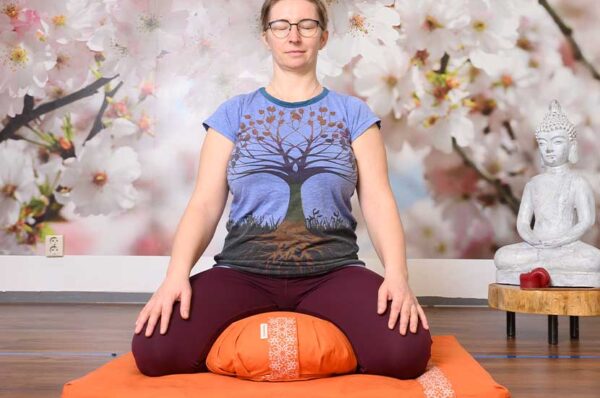
Restorative yoga uses bolsters, blankets, and blocks to support your body completely. You’ll hold comfortable positions for 5–20 minutes, allowing deep relaxation to occur naturally. This style requires no physical effort, making it perfect when you feel overwhelmed or exhausted from stress.
Yin yoga involves holding passive poses for 3–5 minutes, usually seated or lying down. The longer holds give you time to settle into each position while focusing on breath awareness. This practice helps release both physical tension and mental stress through patient, mindful attention.
How does restorative yoga specifically help with anxiety management?
Restorative yoga manages anxiety by using supported poses and extended holds that activate your body’s natural relaxation response. The complete physical support from props signals safety to your nervous system, helping reduce anxiety symptoms like rapid heartbeat, shallow breathing, and muscle tension.
During restorative practice, you’ll use bolsters, blankets, and blocks to create positions where your body feels completely supported. This physical security helps calm anxiety by removing any need to hold yourself up or maintain balance. Your nervous system interprets this support as safety, naturally reducing stress hormones.
The extended time in each pose allows your breathing to slow and deepen naturally. As your breath becomes more rhythmic and calm, it sends signals to your brain that you’re safe and can relax. This breathing pattern directly counters the shallow, rapid breathing that often accompanies anxiety.
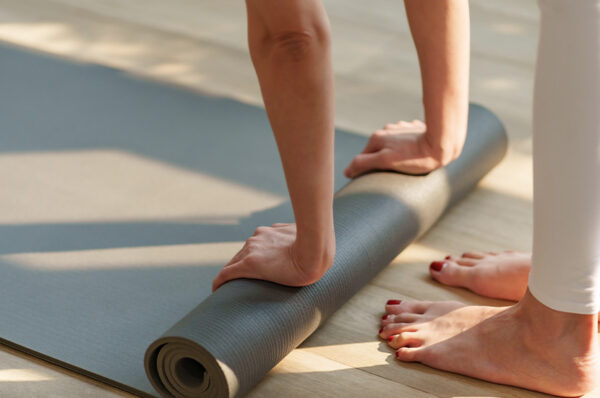
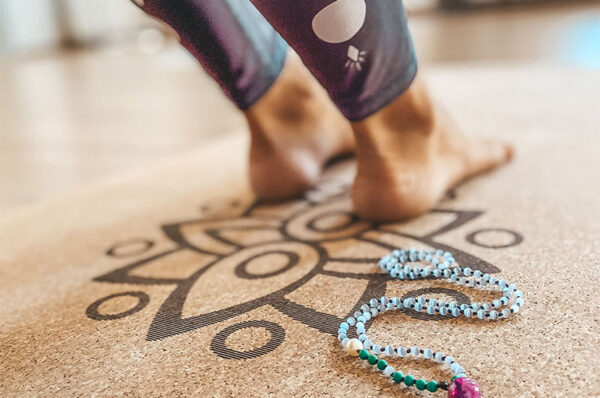
High-quality yoga mats made from natural materials enhance this calming effect by providing stable, comfortable support without synthetic smells or textures that might distract from relaxation. The consistent, grounding surface helps you feel more secure and present during practice.
What should you look for in a stress-relief yoga class or instructor?
Look for instructors who emphasize breath awareness, offer pose modifications, and create calm environments rather than focusing on advanced poses or intense workouts. They should understand trauma-informed teaching and give clear options for different comfort levels throughout class.
When evaluating potential instructors and classes, consider these essential qualities:
- Trauma-informed approach – Instructors should understand that stress and anxiety can be stored in the body, offering gentle guidance without physical adjustments unless requested
- Clear modification options – Every pose should come with easier alternatives, and students should never feel pressured to attempt uncomfortable positions
- Breath-centered instruction – Classes should begin with breathing exercises and consistently return to breath awareness throughout the practice
- Calm communication style – Instructors should speak in soothing, unhurried tones and avoid overwhelming students with too many technical details
- Adequate relaxation time – Sessions should include sufficient time for final relaxation (savasana) and gentle transitions between poses
- Welcoming environment – Studios should feel peaceful rather than competitive, with dimmed lighting and soft music during appropriate moments
The right instructor creates a safe container for healing where you can explore your body’s capacity for relaxation without judgment or pressure. They understand that managing stress through yoga is a personal journey that requires patience, compassion, and individualized attention to help you develop sustainable practices for long-term wellness.
Finding the right yoga style for stress relief depends on matching practice intensity to your current needs and comfort level. Whether you choose gentle Hatha, deeply relaxing Restorative, or meditative Yin yoga, consistency matters more than perfection. Combining your practice with meditation techniques can further enhance stress relief by deepening mindfulness and present-moment awareness. At Samarali, we support your wellness journey with sustainable yoga mats crafted from organic cotton, helping create the stable, natural foundation you need for stress-relieving practice without compromising your environmental values.
Browse our selection of thoughtfully crafted collection of sustainable yoga essentials—designed for mindful movement and made with respect for the planet.