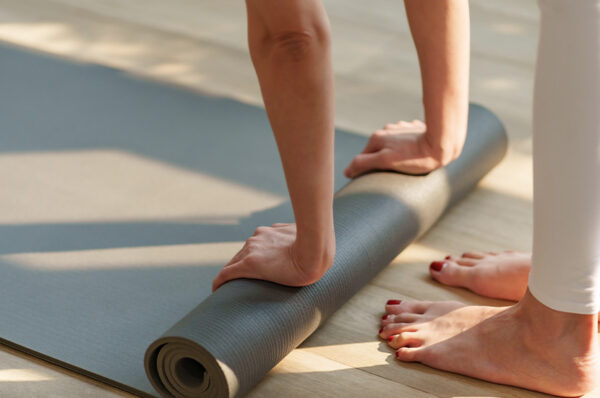



A yoga mat thickness of 6–8 mm provides optimal support for wrist pain and joint discomfort. This range offers enough cushioning to reduce pressure on sensitive joints during poses like downward dog and plank, while maintaining the stability needed for proper alignment. Thicker mats provide better shock absorption than standard 3–4 mm mats, which often leave wrists feeling strained after practice.
What yoga mat thickness actually helps with wrist pain?
Mats between 6–8 mm thick deliver the best balance of cushioning and stability for practitioners experiencing wrist discomfort. This thickness range provides adequate padding to distribute your body weight more evenly across your joints, reducing the concentrated pressure that causes pain during weight-bearing poses.
Understanding why certain thicknesses work better helps you make informed decisions about your practice equipment:
- Standard thin mats (3–4 mm): Create problems by offering minimal barrier between your wrists and the hard floor, leading to concentrated pressure and compression of small bones and soft tissues during weight-bearing poses
- Optimal thickness (6–8 mm): Provides adequate cushioning that absorbs impact and distributes pressure across a larger surface area, allowing you to hold poses longer with reduced discomfort
- Overly thick mats (beyond 8 mm): Create instability issues that make proper alignment difficult, potentially increasing wrist strain as you compensate for the unstable surface
The science behind this optimal range lies in biomechanics and pressure distribution. When you practice on a mat within the 6–8 mm range, the material creates a buffer zone that absorbs some of your body weight while maintaining enough firmness to support proper joint alignment. This balance prevents both the harsh impact of thin mats and the instability of overly cushioned surfaces, giving your wrists the protection they need without compromising your practice quality.
How do different mat materials affect joint support and comfort?
Material choice significantly impacts how well your mat supports sensitive joints and maintains its protective properties over time. Each material offers distinct advantages for practitioners dealing with wrist pain:
- Natural rubber mats: Provide excellent joint cushioning with consistent density that supports joints without creating soft spots, plus superior traction that prevents hand sliding and additional wrist strain
- TPE (thermoplastic elastomer) mats: Offer good cushioning properties and sustainability benefits, maintaining their shape well over time while being lighter than rubber for easy transport
- PVC mats: Deliver decent cushioning and durability but raise environmental concerns, with grip quality varying significantly between brands and manufacturing processes
- Organic cotton mats: Provide environmental benefits but typically offer less joint cushioning, working better as a top layer over a more supportive base mat for practitioners with significant joint sensitivity
For practitioners prioritising both joint health and environmental responsibility, a natural rubber yoga mat emerges as the superior choice. This material combines the cushioning properties needed for wrist protection with sustainable sourcing, allowing you to support your physical wellbeing while maintaining eco-conscious values. The consistent density and superior grip of natural rubber create an ideal foundation for pain-free practice that lasts for years.
What features should you look for in a joint-friendly yoga mat?
Beyond thickness and material, several specific features can make the difference between a mat that supports your joint health and one that exacerbates discomfort. Consider these essential characteristics when selecting your practice surface:
- Density levels: Look for consistent, medium-firm density that won’t compress unevenly under pressure, maintaining supportive properties longer and providing reliable cushioning throughout the mat’s lifespan
- Surface texture: Choose mats with subtle texture that provides grip without being abrasive, allowing hands to stay planted securely and reducing micro-adjustments that can aggravate wrist pain
- Alignment guides: Seek mats with printed guides that help maintain proper hand and foot positioning, ensuring wrists remain in neutral positions and preventing awkward angles that contribute to discomfort
- Size considerations: Opt for adequate space (around 72 inches long with extra width) that allows pose modifications and arm variations without stepping off your mat
- Portability factors: Consider weight and folding/rolling capabilities, looking for lighter materials that still provide cushioning and carrying straps positioned to distribute weight evenly
These features work together to create a comprehensive support system for your practice. The right combination of density, texture, and size creates a stable platform that adapts to your body’s needs while providing consistent feedback for proper alignment. When these elements align with sustainable materials, you create an optimal practice environment that supports both your immediate comfort and long-term joint health.
When selecting sustainable yoga equipment, we recommend prioritising yoga mats made from natural materials that provide the joint support you need. At Samarali, we understand that finding the right mat thickness and material combination can transform your practice, allowing you to focus on mindful movement rather than managing discomfort. Our commitment to sustainable materials means you can support both your joint health and environmental values through thoughtful equipment choices.
Browse our selection of thoughtfully crafted collection of sustainable yoga essentials—designed for mindful movement and made with respect for the planet.