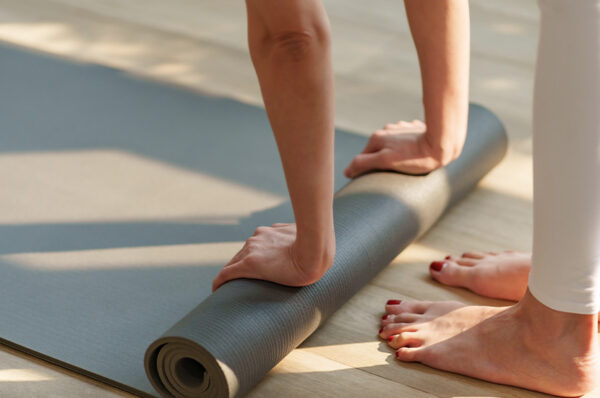



Natural rubber stands out as the best yoga mat material for hot yoga practice. It provides superior grip when wet, excellent heat resistance, and maintains stability during intense sessions. Cork comes in a close second, offering antimicrobial properties and consistent traction. Both materials outperform synthetic options by providing better moisture management and grip enhancement as you sweat more.
What makes a yoga mat suitable for hot yoga conditions?
Hot yoga mats need exceptional moisture absorption and heat resistance to handle temperatures reaching 40°C and high humidity levels. Unlike regular yoga mats, they must maintain grip performance when saturated with sweat while remaining stable under extreme heat without degrading or becoming slippery.
The unique challenges of hot yoga create specific material requirements that set these mats apart from standard options:
- Enhanced moisture management – Materials must absorb sweat effectively while actually improving grip when wet, rather than becoming hazardous
- Superior heat resistance – Mats need to prevent warping, off-gassing, or texture changes that could compromise safety during practice
- Accelerated durability testing – The combination of heat, moisture, and intense sessions tests material integrity more severely than room-temperature yoga
- Optimal thickness balance – Enough cushioning for comfort (typically 4-6mm) without compromising stability when materials heat up and potentially soften
These demanding conditions require sustainable yoga mats designed specifically for hot environments, featuring natural materials that handle thermal and moisture stresses while maintaining their structural properties. The right hot yoga mat transforms these challenging conditions from obstacles into advantages, supporting your practice rather than hindering it.
Which natural materials provide the best grip during sweaty sessions?
Natural rubber delivers the best wet-grip performance for hot yoga, actually becoming more tacky as moisture increases. Cork follows closely, offering antimicrobial properties and consistent traction throughout sweaty sessions. Both materials outperform synthetic alternatives by working with moisture rather than fighting against it.
Each natural material offers distinct advantages for hot yoga practitioners:
- Natural rubber – Creates microscopic suction when wet, with molecular structure that maintains flexibility in heat while developing better grip over time
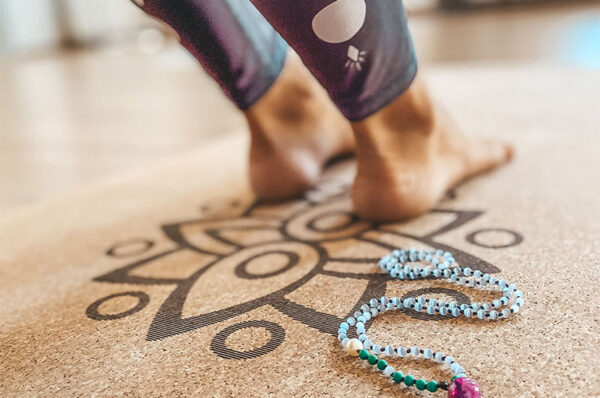
- Cork – Features cellular structure that naturally wicks moisture while providing antimicrobial properties and staying cooler to the touch
- Jute and hemp blends – Offer moderate wet-grip enhancement and work excellently as backing materials, providing structure while supporting primary grip surfaces
- Multi-material combinations – Some sustainable yoga mats blend natural materials to optimize both grip performance and environmental impact
Natural materials generally require a break-in period during which grip actually improves with regular use, contrasting favorably with synthetic materials that often provide peak grip initially but degrade with exposure to heat and moisture. This means your natural mat becomes a better practice partner over time, adapting to your specific needs and usage patterns.
How do you choose between rubber and cork for hot yoga practice?
Choose natural rubber if you prioritise maximum grip and don’t mind regular cleaning, or select cork if you prefer antimicrobial properties and easier maintenance. Rubber provides superior wet-grip performance, while cork offers better odour resistance and requires less frequent deep cleaning for optimal hygiene.
Several key factors will guide your decision between these two excellent natural materials:
- Grip characteristics – Rubber creates increasing tackiness with moisture for confident hold during transitions, while cork provides consistent grip across varying moisture levels
- Maintenance requirements – Rubber needs thorough cleaning after each session to prevent bacterial growth, while cork’s antimicrobial properties allow simpler cleaning routines
- Environmental impact – Rubber requires tree tapping but regenerates naturally, while cork harvesting actually benefits cork oak forest ecosystems
- Physical comfort – Rubber offers more cushioning but may cause skin sensitivity for some, while cork feels firmer and stays cooler in heated environments
- Long-term value – Rubber typically costs less initially but may require sooner replacement, while cork costs more upfront but often maintains performance longer
Your personal practice style, body chemistry, and environmental values will ultimately determine which material serves you best. Both options represent significant upgrades over synthetic alternatives while supporting responsible manufacturing practices.
Choosing the right sustainable yoga mat material for hot yoga ultimately depends on balancing grip performance, maintenance preferences, and personal comfort. Both natural rubber and cork offer significant advantages over synthetic alternatives while supporting environmentally responsible practice. Consider exploring complete yoga sets that include complementary accessories like our natural rubber yoga mat to create a comprehensive hot yoga practice setup. At Samarali, we understand that your mat choice affects both your practice quality and environmental impact, which is why we focus on natural materials that enhance your hot yoga experience while supporting planetary health.
Browse our selection of thoughtfully crafted collection of sustainable yoga essentials—designed for mindful movement and made with respect for the planet.