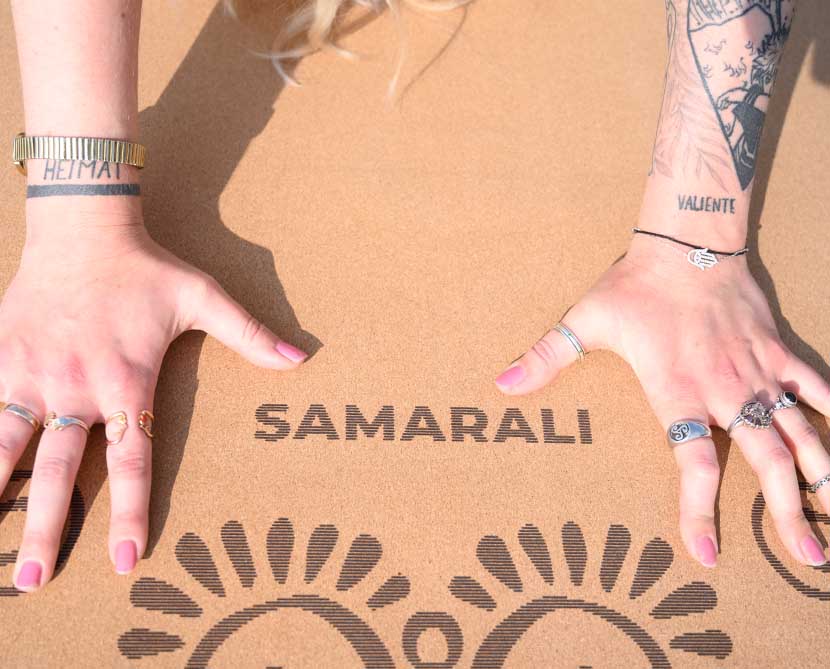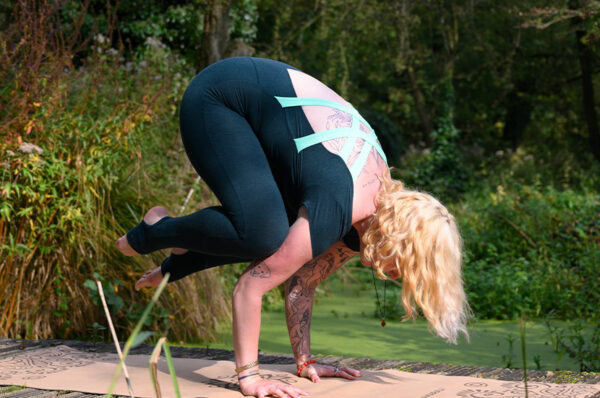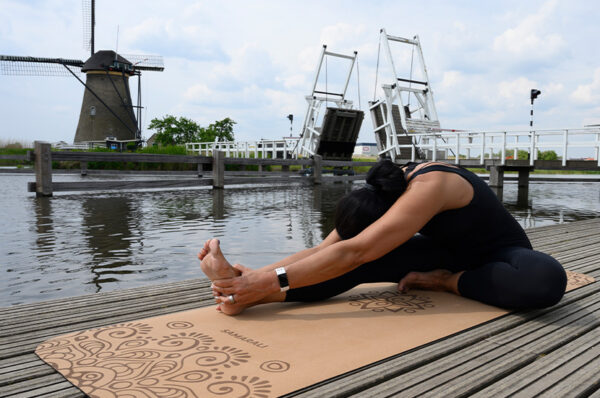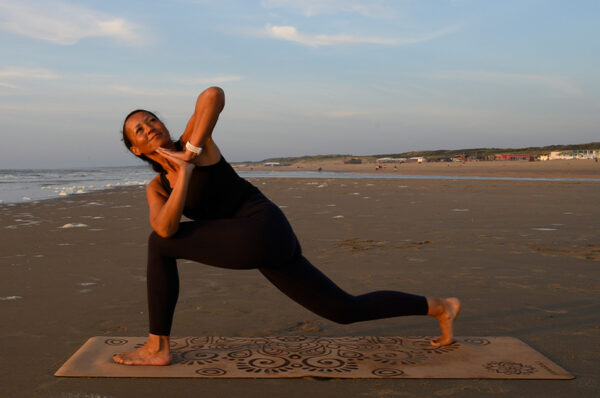



If you have ever slipped out of downward dog because your hands were dripping with sweat, you are not alone. Sweaty hands are one of the most common frustrations in yoga practice, and the right mat material makes all the difference. The best yoga mat for sweaty hands is made from natural rubber, cork, or TPE, as these materials actively improve traction when wet rather than becoming slippery like PVC. Natural rubber’s open-cell surface draws moisture in to create a suction-like grip, cork becomes tackier as it absorbs sweat, and TPE offers a textured, non-slip base that holds steady through even the most intense flow. Look for yoga mats with textured surfaces or open-cell structures that channel moisture away from your hands and keep you stable in every pose.
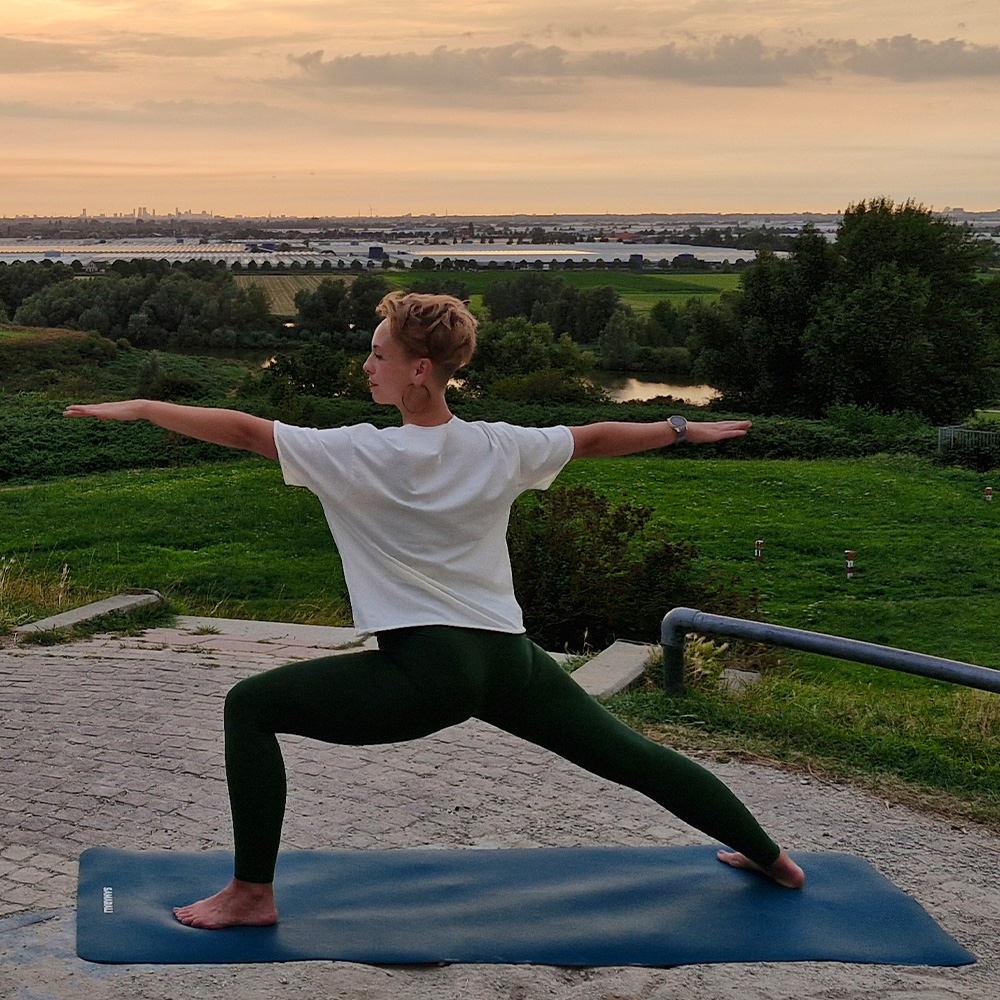
What makes a yoga mat grip better for sweaty hands?
Several key factors determine how well a yoga mat performs when your hands get sweaty:
- Open-cell surface structures – These porous surfaces allow moisture to be absorbed rather than pooling on top, maintaining traction through natural grip properties
- Textured surfaces with raised patterns – Subtle textures provide additional contact points and create channels that direct sweat away from your palms while giving fingers something to grip
- Material composition that works with moisture – Some specialized grip technologies actually become grippier as you sweat, transforming moisture from a hindrance into an advantage
- Avoidance of closed-cell barriers – Traditional PVC creates a smooth barrier where sweat accumulates and acts like a lubricant, making poses like downward dog challenging to hold
Understanding these grip mechanisms helps explain why natural rubber consistently outperforms synthetic alternatives in wet conditions. The open-cell structure of natural rubber yoga mats is especially notable because the grip actually improves with use as the surface becomes more responsive to your skin over time, and any manufacturing residue that dulls initial traction fades after a few sessions and a gentle wash. To break in a new natural rubber mat faster, a light salt scrub or a single rinse wash before your first session can help activate the surface. Cork surfaces follow a similar pattern, with the material’s natural texture becoming more effective as it absorbs the oils and moisture from your hands. This interaction between your skin, sweat, and mat surface creates either enhanced stability or problematic slippage, making material choice the single most important decision for practitioners who sweat during practice.
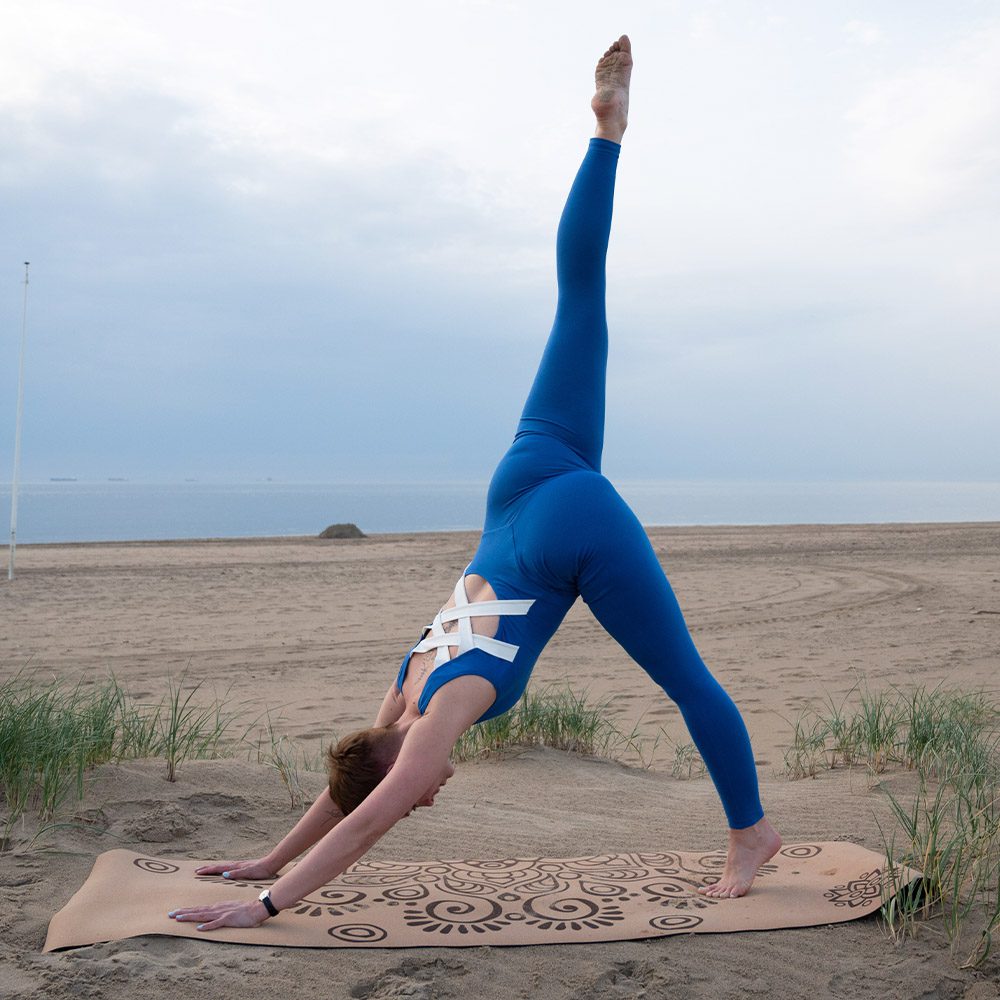
Which yoga mat materials work best when your hands get sweaty?
Not all yoga mats perform equally when moisture is present. Here is how the most common materials compare for sweaty-handed practitioners, from the most grip-reliable to the least:
- Natural rubber – Leads performance with an open-cell structure that absorbs moisture while maintaining excellent traction, ideal for hot yoga or intensive practices
- Cork surfaces – Provide outstanding wet grip because cork naturally repels bacteria while its cellular structure creates tiny suction cups that work better with slight moisture
- TPE (Thermoplastic Elastomer) – Offers reliable grip in wet conditions while being completely recyclable, often featuring textured surfaces that enhance traction
- Jute and cotton combinations – Work well for moderate sweating as natural fibers absorb moisture effectively, though they can become oversaturated during intense practices
- PVC alternatives and synthetic blends – Performance varies significantly, with some newer formulations including grip-enhancing additives, though generally not matching natural options
When choosing the best yoga mat for sweaty hands, prioritizing natural rubber and cork provides both superior moisture handling and meaningful environmental benefits. Cork’s antimicrobial properties add a hygiene advantage that matters during intense, sweat-heavy sessions, while a natural rubber yoga mat delivers consistent stickiness across varying moisture levels because its open-cell surface works with your sweat rather than against it. TPE rounds out the top tier as a lightweight, non-toxic option with reliable wet-grip performance for practitioners who prefer a softer feel. These three materials stand apart from PVC and jute in non-slip performance, making them the recommended choices for anyone dealing with sweaty hands during yoga. For a quick comparison: natural rubber suits heavy sweaters and hot yoga practitioners who need maximum grip, cork is ideal for moderate sweating and eco-conscious practice, and TPE is a strong pick for those who want a balance of grip and cushioning without the weight of rubber.
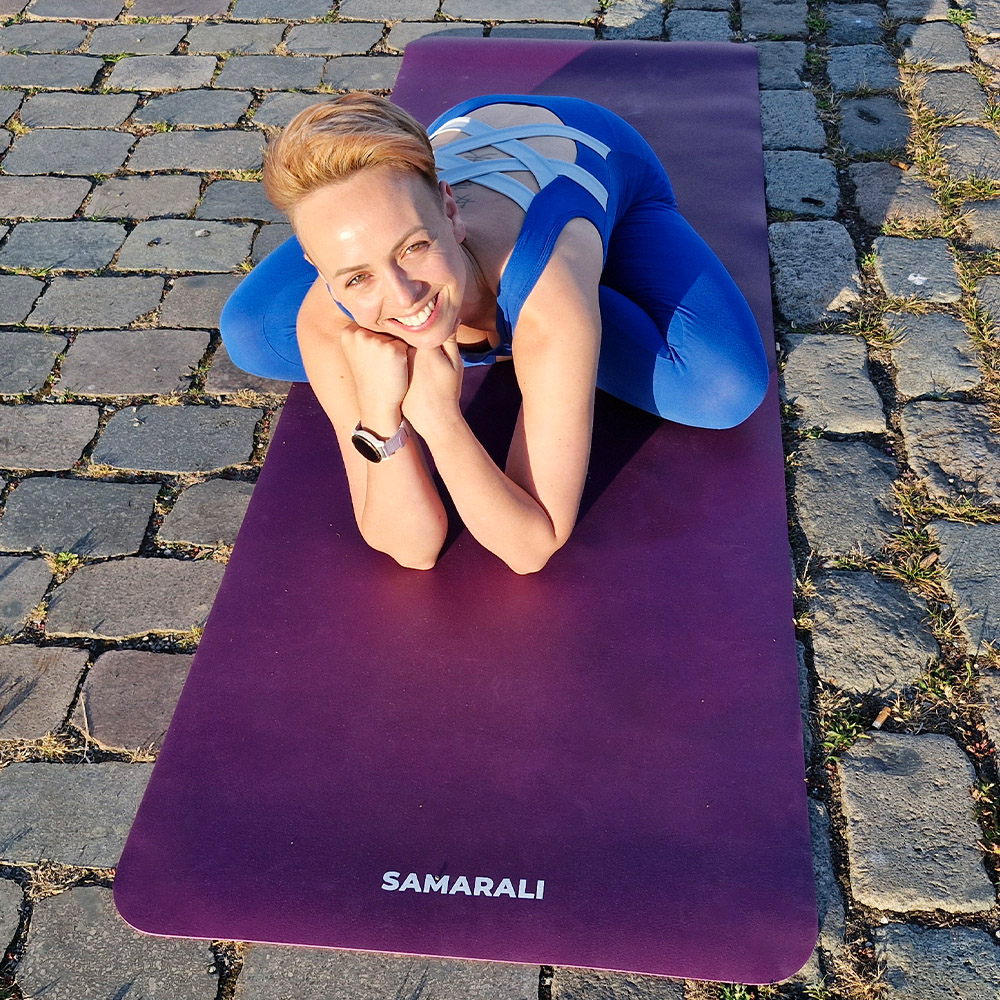
How do you improve grip on your existing yoga mat for sweaty hands?
Whether you are waiting on a new mat or want to get more out of what you already own, several practical approaches can enhance traction immediately. These range from quick in-session fixes for sweaty hands during yoga to longer-term maintenance habits that protect your mat’s grip over time:
- Microfiber yoga towels – Specifically designed grip-enhancement towels become grippier when damp, creating the opposite effect of traditional towels
- Proper mat maintenance – Regular cleaning with gentle, non-oily cleaners prevents soap buildup and residue that create slippery conditions when mixed with moisture
- Hand preparation techniques – Lightly dampening hands before practice or applying rosin/specialized yoga grip spray helps maintain traction throughout sessions
- Strategic positioning adjustments – Spreading fingers wide, pressing through fingertips rather than palms, and engaging arm muscles reduces weight on potentially slippery contact points
- Optimal mat placement – Ensuring mats lie completely flat on hard floors rather than carpet provides stable foundation that enhances overall traction
These grip improvement strategies work best when combined. Pairing a microfiber yoga towel with a yoga mat grip spray or enhancer gives you both an immediate surface fix and a protective maintenance routine. Unlike a regular towel, a purpose-built microfiber yoga grip towel actually gets grippier when wet because moisture activates the fibers rather than causing them to slide, making it one of the most effective and affordable solutions for sweaty hands yoga practitioners. For best results, lightly mist your grip towel before practice to pre-activate its surface. A rosin-based grip spray applied before practice adds tackiness to most mat surfaces, though you should avoid using spray enhancers on natural rubber mats as they can degrade the material over time. Together, these accessories and habits extend the life of your mat and maximize its wet-grip performance, though upgrading to a moisture-friendly material remains the most effective long-term solution for sweaty hands during yoga.
Finding the right grip solution for sweaty hands transforms your yoga practice from a slippery struggle into a confident, stable flow. Natural materials like rubber and cork offer the best long-term performance for sweaty hands on yoga mats, while proper maintenance and the right accessories help you maximize a mat’s traction in the short term. At Samarali, we understand that sustainable yoga mats need to perform brilliantly in all conditions, especially for practitioners who sweat heavily, while also supporting your environmental values. Our commitment to natural rubber, cork, and organic materials, combined with plastic-free packaging, means you get reliable non-slip grip performance without compromising your eco-conscious principles.
Browse our selection of thoughtfully crafted collection of sustainable yoga essentials—designed for mindful movement and made with respect for the planet.