


Quick meditation exercises during lunch breaks include simple breathing techniques, brief body scans, and mindful observation practices that take just 5-15 minutes. These workplace mindfulness techniques help reset your mental state, reduce afternoon stress, and boost productivity without requiring special equipment or quiet spaces. The key is choosing exercises that fit naturally into your office environment and lunch routine.
What makes easy mindfulness exercises at lunch so effective for workplace stress relief?
Lunch break meditation works particularly well because it aligns with your body’s natural energy cycles and cortisol patterns. The midday timing offers several unique advantages that make it especially powerful for workplace stress management:
- Peak stress hormone timing: Around midday, your stress hormones typically peak from morning work demands, making this the perfect biological window for a mental reset
- Natural energy transition: Your body’s circadian rhythms naturally dip in the early afternoon, and meditation helps manage this transition smoothly
- Stress cycle interruption: Short meditation practices during lunch break the stress accumulation cycle and prevent afternoon burnout from building up
- Nervous system activation: The practice activates your parasympathetic nervous system, which naturally counteracts the fight-or-flight response that builds up during busy work periods
These biological and psychological factors work together to create an optimal window for stress relief. The timing creates a clear boundary between your morning and afternoon work sessions, preventing stress from compounding throughout the day while training your nervous system to recover more quickly from workplace pressure. This strategic midday stress relief approach gives you sustainable tools to manage demanding work environments.
Which discreet meditation practices work best in office environments?
The most effective office meditation techniques are specifically designed for workplace constraints and can be practiced discreetly without drawing attention. These discreet meditation methods for work include breathing exercises you can do at your desk, subtle body awareness practices during meetings, and mindful walking techniques for hallway transitions. Each method works well in various office settings from open floor plans to private offices:
- 4-7-8 breathing technique: Breathe in for 4 counts, hold for 7, exhale for 8, repeating 4-6 times to activate your relaxation response while sitting normally at your desk
- Progressive muscle relaxation: Systematically tense and release muscle groups starting with shoulders and neck, moving through arms, back, and face for 30 seconds each
- Mindful observation practices: Focus attention on something specific in your environment for 3-5 minutes, such as watching clouds, observing textures, or listening to ambient sounds
- Body scan exercises: Mentally scan through your body to identify and consciously release tension in common stress areas like jaw, shoulders, and lower back
- Counting meditation: Simply count breaths from 1 to 10 and repeat, which provides a focused anchor point that’s easy to do anywhere
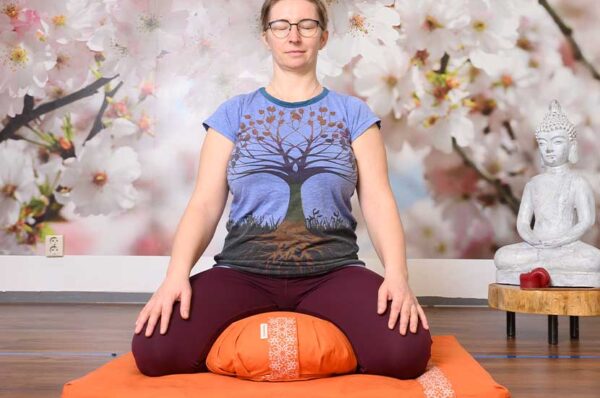
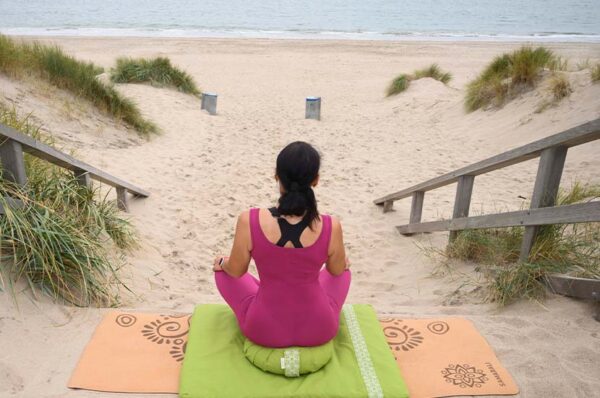
These desk meditation and breathing exercises at work are particularly effective because they require no special equipment, can be done in regular work clothes, and don’t require complete silence. They ground you in the present moment, interrupt anxious thought patterns, and help you identify physical tension you might not even realize you’re carrying throughout your workday. If you have access to a quiet space or prefer more formal practice, consider using meditation cushions for added comfort during longer sessions.
How long should your short mindfulness exercises for work breaks be for maximum benefit?
The optimal duration for lunch break meditation depends on your schedule, experience level, and specific workplace constraints. Research shows that even brief meditation breaks at work provide measurable stress reduction benefits. Different session lengths offer distinct advantages for busy professionals:
- 5-minute sessions: Perfect for beginners or busy days, focusing on simple breathing exercises that still trigger your relaxation response and provide mental reset
- 10-minute sessions: The sweet spot for most people, allowing time for deeper relaxation without feeling rushed while combining multiple techniques like breathing and muscle relaxation
- 15-minute sessions: Provide comprehensive benefits with varied techniques and deeper relaxation states, but require better time management and consistent scheduling
- Flexible timing: Adapt duration based on daily needs – longer sessions on stressful days, shorter ones when time is limited
The key to successful workplace mindfulness is creating a sustainable routine that enhances rather than complicates your workday. Balance your meditation time with other lunch break needs like eating and social connections. If you typically eat with colleagues, consider doing a brief breathing exercise before or after social time. Consistency matters more than duration – regular practice creates cumulative benefits that improve your overall stress resilience and work performance over time.
Regular lunch break meditation creates a powerful anchor point in your daily routine. These brief practices compound over time, improving your overall stress resilience and work performance. Start with whatever duration feels manageable, and remember that consistency matters more than length. For those looking to expand their practice beyond the workplace, consider exploring meditation sets that provide everything needed for a comprehensive home practice. At Samarali, we understand the importance of integrating mindful practices into busy lifestyles, which is why all our meditation accessories are made from organic cotton and come in plastic-free packaging that supports your commitment to both personal wellness and environmental responsibility.
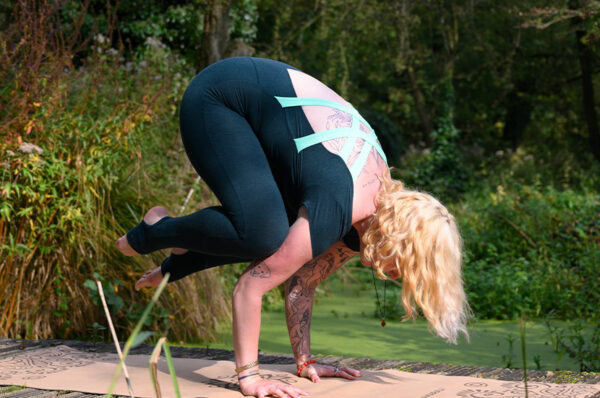
Browse our selection of thoughtfully crafted collection of sustainable yoga essentials—designed for mindful movement and made with respect for the planet.