


Several pranayama techniques can reduce stress within minutes by activating your body’s natural relaxation response. The most effective methods include 4-7-8 breathing, alternate nostril breathing (Nadi Shodhana), and three-part breath (Dirga Pranayama). These breathing exercises for anxiety work by stimulating the parasympathetic nervous system, which immediately lowers cortisol levels and promotes calm.
What is pranayama and how does it instantly calm your nervous system?
Pranayama is the yogic practice of conscious breath control that creates immediate physiological changes in your body. When you practice mindful breathing practices, you activate the parasympathetic nervous system, which signals your body to shift from stress mode to relaxation mode within minutes.
The science behind this instant stress reduction lies in how controlled breathing affects your vagus nerve. This nerve connects your brain to major organs and when stimulated through specific breathing patterns, it triggers the release of calming neurotransmitters whilst reducing stress hormones like cortisol and adrenaline.
Your breath directly influences your heart rate variability, blood pressure, and brain wave patterns. When you extend your exhale longer than your inhale, you send immediate signals to your nervous system that it’s safe to relax. This physiological response happens automatically, making pranayama techniques one of the fastest ways to manage stress naturally.
Which pranayama techniques work fastest for stress relief?
Three powerful pranayama techniques stand out for their ability to provide rapid stress relief, each working through different mechanisms to calm your nervous system:
- 4-7-8 breathing technique – Provides the quickest stress relief by forcing your nervous system into relaxation mode through inhaling for 4 counts, holding for 7 counts, then exhaling for 8 counts
- Alternate nostril breathing (Nadi Shodhana) – Balances your nervous system by harmonising the left and right sides of your brain using thumb placement to alternate nostril breathing patterns
- Three-part breath (Dirga Pranayama) – Engages your full lung capacity by breathing sequentially into your belly, ribs, then chest, maximising oxygen flow and reducing tension
These techniques work so effectively because they each target different aspects of your stress response. The 4-7-8 method immediately slows your heart rate through extended exhalation, alternate nostril breathing reduces mental chatter by creating neural balance, and three-part breathing increases oxygen delivery to calm your entire system. When practiced regularly, these methods become powerful tools you can deploy anywhere within moments of feeling stressed.
Complete Practice Schedule and Timing Guide for Pranayama Stress Relief
- 4-7-8 breathing: Practice 4 cycles when feeling overwhelmed
- Alternate nostril breathing: Continue for 5-10 rounds for mental clarity
- Three-part breath: Use for 2-3 minutes during stressful situations
How do you practice pranayama correctly when you’re feeling overwhelmed?
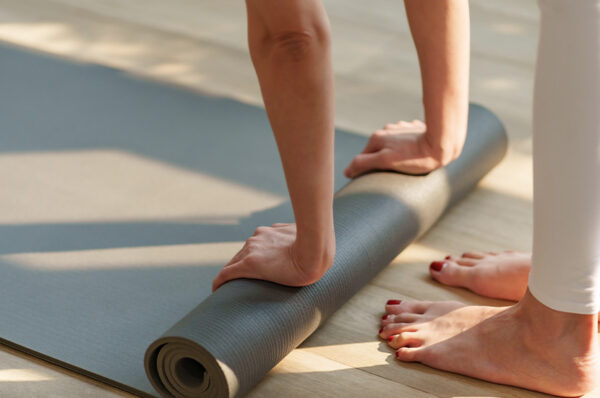
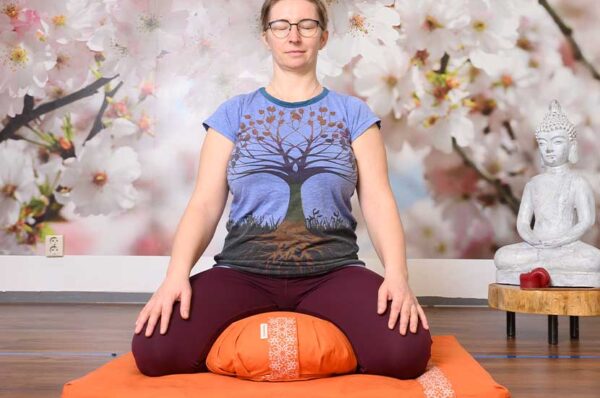
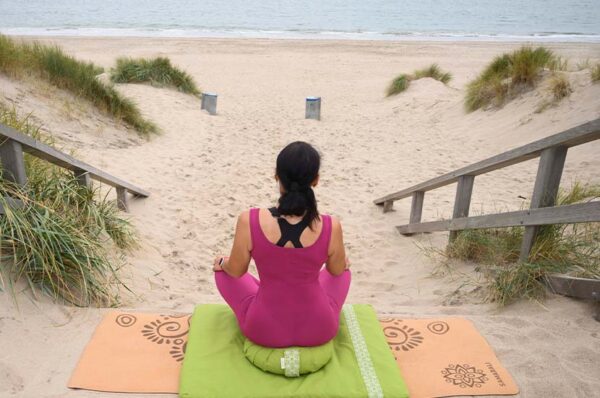
Proper posture and breathing mechanics make pranayama more effective during stressful moments. Sit with your spine straight but not rigid, shoulders relaxed, and feet flat on the floor. If sitting isn’t possible, you can practice these techniques standing or even lying down whilst maintaining good alignment. For enhanced comfort during longer sessions, consider using a meditation mat to create a dedicated space for your practice.
Focus on breathing through your nose rather than your mouth, as nasal breathing naturally filters and warms the air whilst activating the parasympathetic nervous system more effectively. Place one hand on your chest and one on your belly to ensure you’re breathing deeply rather than taking shallow chest breaths.
For office environments or public spaces, you can practice modified versions discreetly. The 4-7-8 technique can be done with shorter counts (3-5-6), and three-part breathing can be practiced without obvious hand movements. The key is maintaining the rhythm and focus on extending your exhales.
Common mistakes that reduce effectiveness include forcing the breath, holding tension in your shoulders, or trying to breathe too deeply too quickly. Start gently and let your breathing naturally deepen as you relax. Never strain or create discomfort, as this defeats the purpose of stress management yoga.
What should beginners know before starting pranayama for stress management?
Starting your pranayama journey safely and effectively requires understanding several key principles that will ensure both immediate benefits and long-term success with pranayama for tension relief:
- Start gradually with simple techniques – Begin with basic three-part breathing for 2-3 minutes to avoid dizziness or discomfort as your body adapts to controlled breathing patterns
- Observe important safety considerations – Avoid breath retention if you’re pregnant, have heart conditions, or respiratory issues, and return to normal breathing immediately if you feel lightheaded
- Set realistic expectations – While some people feel immediate relief, others may need several sessions to notice significant changes, with consistency mattering more than perfection
- Build sustainable routines – Link breathwork to existing habits like practising three-part breathing before meals or using 4-7-8 breathing before sleep
These foundational principles create a strong base for developing pranayama for beginners practice that grows with you over time. Remember that the goal isn’t achieving perfect technique immediately, but rather developing a reliable tool for instant stress reduction and tension release. As you become more comfortable with basic methods, you can gradually explore more advanced techniques and extend your practice duration. This patient, methodical approach ensures that breathwork for calm becomes a natural and effective part of your daily stress management toolkit.
These yoga breathing techniques become more powerful with regular practice. Start with whichever method feels most comfortable and gradually explore others as your confidence grows. Remember that the goal isn’t perfect technique but rather developing a reliable tool for instant stress reduction whenever you need it. For those seeking a comprehensive approach to breathwork, exploring meditation practices alongside pranayama can deepen your stress relief experience.
At Samarali, we understand that mindful breathing practices work best when you feel completely comfortable and supported. That’s why all our yoga and meditation gear uses organic cotton fabrics, and we package everything without plastic, creating a truly sustainable practice that honours both your wellbeing and the planet’s health.
Browse our selection of thoughtfully crafted collection of sustainable yoga essentials—designed for mindful movement and made with respect for the planet.