


Meditation techniques for stress relief work by calming your nervous system and reducing cortisol levels in your body. The most effective approaches include breathing meditation, body scan techniques, and mindfulness practices that you can start immediately without special equipment. Even short 5-10 minute sessions provide measurable stress reduction benefits when practiced consistently.
What makes meditation so effective for managing stress?
Meditation directly impacts your body’s stress response system through several key mechanisms:
- Activates your relaxation response – Stimulates the parasympathetic nervous system, which naturally counters stress and promotes calm
- Reduces stress hormones – Lowers cortisol production, decreasing anxiety, muscle tension, and racing thoughts
- Changes brain wave patterns – Shifts from high-frequency beta waves associated with stress to calmer alpha and theta waves
- Rewires neural pathways – Creates lasting changes in how your brain processes stressful situations, building resilience
- Regulates breathing patterns – Slow, controlled breathing signals safety to your brain, reducing fight-or-flight responses
What sets meditation stress management apart from other techniques is its ability to address stress at its neurological source rather than just masking symptoms. Regular practice literally rewires your neural networks, creating lasting resilience that helps you respond more calmly to future stress triggers. This comprehensive approach makes meditation one of the most effective long-term solutions for chronic stress management.
Which meditation techniques work best for beginners dealing with stress?
Several beginner-friendly meditation techniques offer immediate stress relief:
- Breathing meditation – Focus on natural breath rhythm, counting inhales and exhales from one to ten, requiring no special equipment or posture
- Body scan technique – Systematically move attention from head to toe, identifying and releasing physical tension stored in your body
- Guided visualization – Follow audio recordings through calming mental imagery and progressive relaxation sequences
- Mindfulness observation – Notice thoughts and feelings without judgment, acknowledging stress with phrases like “I notice I’m feeling stressed”
Breathing meditation stress techniques offer the most accessible starting point because they work with your body’s natural processes and can be practiced anywhere. These foundational approaches help beginners develop core meditation skills while experiencing immediate stress relief, making it easier to build a consistent practice that grows more effective over time.
How long do you need to meditate to actually reduce stress?
Meditation provides stress relief across different timeframes depending on your goals:
- Immediate relief (3-5 minutes) – Your nervous system responds quickly to focused breathing, providing rapid relief from acute stress
- Daily management (10-20 minutes) – Allows deeper relaxation states while remaining manageable for busy schedules
- Long-term resilience (6-8 weeks of regular practice) – Creates measurable changes in brain structure and stress hormone levels
- Noticeable improvement (within one week) – Regular practice quickly improves stress management abilities, even with shorter sessions
The key to effective stress meditation practices is consistency over duration. Starting with whatever time feels sustainable—whether that’s 5 minutes morning and evening or longer weekend sessions—builds the foundation for lasting stress management. Many practitioners find that beginning with shorter, regular sessions creates momentum for naturally extending their practice as the benefits become apparent.
What should you do when your mind won’t stop racing during meditation?
Racing thoughts during meditation are normal and can be managed with specific strategies:
- Gentle acknowledgment – Notice thoughts without fighting them, then redirect attention back to your breath or chosen focus point
- Noting technique – Label thoughts as “thinking” or “planning” without judgment, creating distance from their content
- Counting meditation – Use backward counting or simple patterns that require just enough engagement to quiet mental chatter
- Cloud visualization – Imagine thoughts as clouds passing through the sky of your mind, observing without attachment
- Reframe the process – Remember that noticing wandering thoughts and redirecting attention is the actual meditation practice
The best meditation for anxiety works with racing thoughts rather than against them, using acceptance-based approaches that reduce the frustration of mental chatter. Each time you notice your mind has wandered and gently bring it back, you’re strengthening your ability to manage stress and maintain focus in challenging situations, making the “failure” actually part of your success.
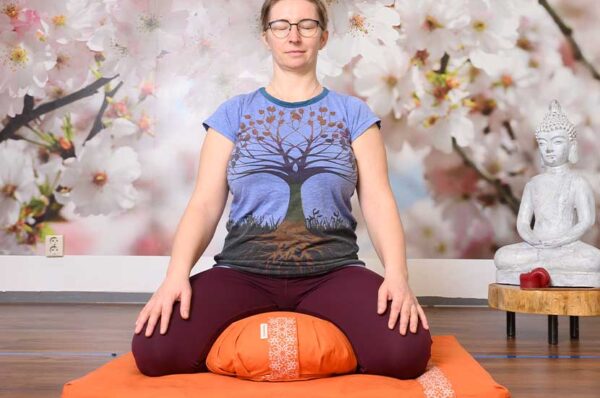
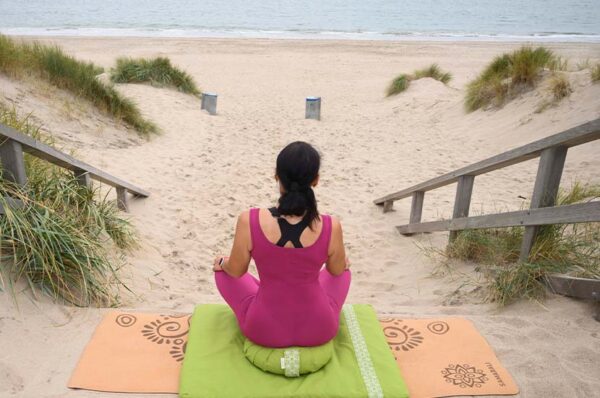
Building a sustainable meditation practice for stress relief doesn’t require perfection or lengthy time commitments. The techniques that work best are those you’ll actually use consistently, whether that’s brief breathing exercises during your commute or longer guided sessions at home. Having a dedicated space with comfortable meditation cushions can enhance your practice, while complete meditation sets provide everything you need to establish a consistent routine. At Samarali, we support your mindfulness journey with sustainably made meditation accessories crafted from organic cotton, packaged without plastic to reflect the same care for our planet that meditation brings to your wellbeing.
Browse our selection of thoughtfully crafted collection of sustainable yoga essentials—designed for mindful movement and made with respect for the planet.