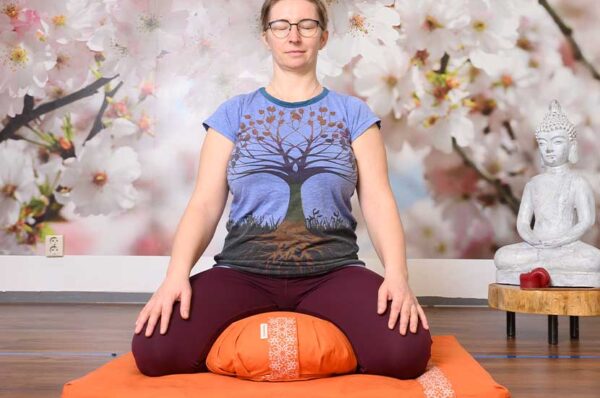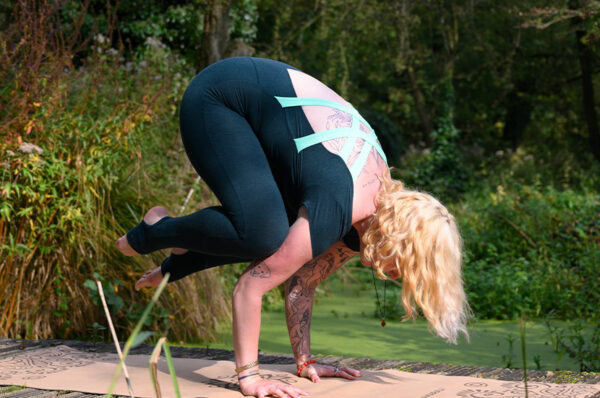



Truly eco-friendly yoga clothing uses sustainable materials like organic cotton, hemp, and recycled fibres while following ethical manufacturing practices. Look for certifications such as GOTS (Global Organic Textile Standard), transparent supply chains, and plastic-free packaging. Genuine sustainable brands prioritise environmental responsibility throughout their entire production process, not just in their marketing claims.
What materials make yoga clothing genuinely sustainable?
Organic cotton, hemp, bamboo, and recycled materials form the foundation of sustainable yoga clothing. These materials offer distinct environmental and performance benefits:
- Organic cotton: Grown without harmful pesticides or synthetic fertilisers, protecting soil health and water systems while providing soft, breathable fabric perfect for yoga practice
- Hemp: Offers incredible durability and naturally resists bacteria, making it ideal for activewear that requires frequent washing
- Bamboo fabric: Provides excellent moisture-wicking properties and natural antimicrobial qualities, though processing methods should be verified to ensure minimal chemical treatment
- Recycled materials: Give new life to existing waste, particularly recycled polyester from plastic bottles, preventing additional resource extraction while reducing landfill waste
These sustainable alternatives represent a significant improvement over conventional synthetic fabrics such as standard polyester and nylon, which rely on petroleum-based production and shed microplastics during washing. By choosing natural and recycled materials, conscious consumers can enjoy high-performance yoga wear while supporting environmental protection and reducing their ecological footprint.
How can you tell if a yoga brand is actually environmentally responsible?
Look for third-party certifications, transparent supply chain information, and detailed sustainability practices rather than vague marketing claims. Authentic eco-friendly brands demonstrate their commitment through:
- Verified certifications: GOTS ensures organic fibres meet strict environmental and social criteria, while OEKO-TEX tests for harmful chemicals and Cradle to Cradle evaluates entire product lifecycles
- Supply chain transparency: Detailed information about factories, working conditions, material sourcing, and sustainability reports that explain environmental practices
- Eco-conscious packaging: Use of recycled cardboard, biodegradable materials, or reusable options instead of plastic, with minimal overall packaging and eco-friendly printing inks
- Specific environmental commitments: Measurable goals for water usage, energy sources, and waste reduction rather than generic “eco-friendly” claims
Genuine sustainable brands distinguish themselves by providing concrete evidence of their environmental responsibility, avoiding greenwashing tactics that rely on vague terminology without supporting documentation. This transparency allows consumers to make informed decisions based on verified sustainability practices rather than marketing promises.
What is the difference between organic and conventional yoga clothing?
Organic yoga clothing uses materials grown without synthetic pesticides, fertilisers, or harmful chemicals, while conventional clothing often involves intensive chemical processing that affects both environmental and personal health. Key differences include:
- Production methods: Organic farming relies on natural pest control, crop rotation, and composting to maintain soil health, using less water and energy while protecting biodiversity
- Chemical usage: Conventional clothing undergoes chemical treatments for colour fastness and performance, while organic alternatives use natural dyes and mechanical processes
- Personal health impact: Organic materials reduce exposure to chemical residues that may cause skin irritation, making them more comfortable for people with sensitive skin during extended yoga sessions
- Environmental benefits: Organic farming improves soil health, reduces water pollution, supports beneficial wildlife, and creates better conditions for farming communities
The contrast between organic and conventional approaches extends beyond the final product to encompass the entire production cycle. While conventional methods prioritise efficiency and cost reduction, organic practices focus on long-term sustainability and environmental stewardship, resulting in yoga clothing that aligns with the mindful principles of meditation and yoga practice itself.
Why does sustainable yoga clothing cost more, and is it worth it?
Sustainable yoga clothing costs more due to ethical labour practices, premium materials, and smaller production scales, but the investment offers multiple benefits:
- Higher production costs: Organic materials require labour-intensive farming methods with smaller yields, while fair labour practices ensure living wages and safe working conditions
- Quality manufacturing: Smaller production runs maintain quality control and reduce waste, preventing the economies of scale that make mass-produced clothing cheaper but lower quality
- Superior durability: High-quality materials and construction mean sustainable pieces last longer, with organic cotton and hemp fibres actually strengthening with washing
- Enhanced performance: Natural fibres provide better breathability, moisture management, temperature regulation, and odour resistance during yoga practice
- Ethical impact: Purchases support environmentally protective farming practices, fair wages for workers, and companies committed to reducing fashion industry environmental damage
The long-term value of sustainable yoga clothing often outweighs the initial investment through reduced replacement costs and enhanced practice experience. When you choose sustainable yoga wear, you’re not just buying clothing—you’re investing in products that embody yoga’s principles of mindfulness and respect for all living beings, creating a meaningful connection between your values and practice while contributing to positive change in the fashion industry. Pairing sustainable clothing with eco-friendly accessories like organic cotton yoga blankets creates a complete mindful practice environment.
Browse our selection of thoughtfully crafted collection of sustainable yoga essentials—designed for mindful movement and made with respect for the planet.