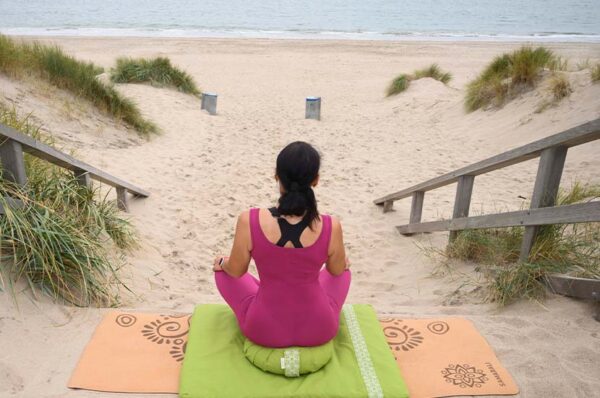



If you have ever cut a meditation session short because of a sore lower back, numb knees, or aching ankles, the problem likely is not your technique — it is your setup. A zafu is a round, firm meditation cushion that elevates your hips to promote natural spinal alignment, while a zabuton is a large, flat rectangular mat that cushions your knees, ankles, and shins against hard floor surfaces. Together, they form the traditional meditation cushion setup used in Zen Buddhist monasteries for centuries — and the most ergonomically complete solution available for sitting comfort during extended practice. Understanding how they work, and how they work together, is the first step toward building a seated practice that is genuinely comfortable, sustainable, and kind to your body.
What exactly are zafu and zabuton cushions?
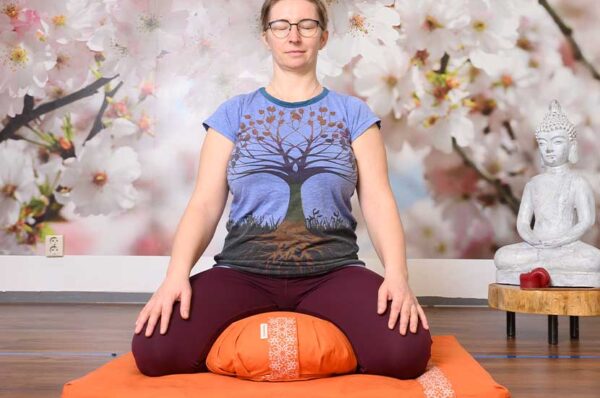
A zafu is a round meditation cushion, traditionally filled with buckwheat hulls or kapok, that elevates your pelvis during seated meditation. Originating in Chinese and Japanese Buddhist monasteries, zafus typically measure 14 to 16 inches in diameter and stand 5 to 8 inches high. The firm, supportive design tilts your pelvis slightly forward, promoting natural spinal alignment and reducing lower back strain — making the zafu the foundational piece of any best meditation cushion setup.
A zabuton, by contrast, is a large rectangular mat that sits beneath the zafu to complete the cushion set. Measuring approximately 30 by 28 inches with 2 to 3 inches of padding, the zabuton protects your knees, ankles, and shins from hard floor surfaces during seated practice. Traditionally stuffed with cotton batting, zabutons create a soft, stable foundation that makes longer meditation sessions significantly more comfortable — particularly for practitioners who experience knee or ankle sensitivity.
Both cushions trace their origins to Buddhist meditation halls, where practitioners needed reliable support for lengthy seated sessions. The names derive from Japanese: “zafu” meaning “sewn seat” and “zabuton” meaning “sitting futon” — a definition that helps explain why the zabuton functions as a floor-level futon for your lower legs. Traditional covers were made from dark, durable fabrics built to withstand daily monastic use, a quality standard that continues to inform how the best meditation cushions are constructed today.
How do zafu and zabuton cushions work together for sitting comfort?
These cushions create an ergonomic meditation system where each component serves a specific purpose in supporting your body and deepening your practice:
- Hip elevation: The zafu raises your hips above your knees, allowing your spine to maintain its natural curves without muscular strain
- Pressure point relief: The zabuton cushions your knees, ankles, and shins against hard floor surfaces during cross-legged positions
- Improved circulation: The elevated sitting position prevents leg numbness and “pins and needles” sensations during longer meditation sessions
- Postural support: The forward pelvic tilt naturally lengthens your spine and reduces the effort needed to maintain an upright posture
- Versatile positioning: The combination accommodates various sitting styles including lotus, half-lotus, seiza (kneeling), and simple cross-legged positions
The benefits of proper physical support extend well beyond comfort. When your body is correctly aligned and free from pain, your mind is no longer occupied with managing discomfort — and that shift in attention is where meditation begins to deepen. Practitioners who invest in the right meditation cushion setup consistently report longer, more focused sessions, reduced stress, and greater ease in establishing a daily practice. The zafu and zabuton do not just support your posture; they support the conditions in which genuine mindfulness can take root. This traditional cushion pairing transforms your meditation experience by addressing the physical challenges that distract both beginners and experienced practitioners, while the adaptable design grows with your practice as your flexibility and preferences evolve.
Which is the best meditation cushion for your practice?
The best meditation cushion for you depends on your flexibility, sitting style, and physical comfort needs. To find the right fit, consider the following key factors:
- Flexibility level: Tight hips require higher zafus (7–8 inches) to reduce knee and lower back strain, while flexible practitioners can use lower cushions (5–6 inches)
- Body proportions: Taller individuals typically need higher cushions for proper hip elevation, whereas shorter people often find standard heights adequate
- Preferred sitting position: Cross-legged sitters benefit from traditional round zafus, while kneeling practitioners may prefer crescent-shaped designs
- Practice duration: Longer meditation sessions require the full zafu-zabuton combination for optimal comfort and support
- Budget considerations: A zafu alone provides essential spinal alignment benefits, though the complete set offers superior comfort
The most practical approach for developing a sustainable meditation practice involves starting with quality meditation cushions that can adapt to your changing needs. This investment in proper support equipment directly contributes to consistency and comfort in your practice, making it easier to establish and maintain regular meditation sessions.
Why do sustainable materials matter for meditation cushions?
Sustainable materials align your meditation practice with environmental mindfulness while providing tangible health and performance benefits:
- Chemical-free environment: Organic cotton covers eliminate pesticide residues and synthetic dyes that can off-gas during meditation
- Superior breathability: Natural fills like buckwheat hulls and kapok prevent heat and moisture buildup during longer sessions
- Adaptive support: Buckwheat hulls conform to your body shape while maintaining firm support and can be adjusted for personal preference
- Ethical alignment: Sustainably-made cushions reflect the mindful awareness and compassion cultivated through meditation practice
- Long-term durability: Natural materials typically outlast synthetic alternatives and can be refreshed or replaced without degrading cushion structure
Choosing sustainable meditation cushions creates a harmonious relationship between your practice tools and the values meditation develops. Beyond their ergonomic role, zafu and zabuton cushions made from organic cotton and natural fills make a beautiful addition to any mindful living space — their natural textures, earthy tones, and clean lines complement both dedicated meditation rooms and everyday interiors. They look as good as they feel, and age gracefully alongside your home and your practice. This conscious selection process extends mindfulness beyond your sitting sessions, reinforcing the awareness and intentionality that meditation brings to all aspects of life.
Understanding the difference between zafu and zabuton cushions helps you create a meditation setup that supports both comfort and proper alignment. Whether you choose traditional designs or modern interpretations, selecting cushions made from sustainable materials ensures your practice supports both personal wellness and environmental responsibility. We craft our meditation sets using organic cotton fabrics and natural fill materials, packaging them without plastic to honor both your practice and our planet’s well-being.
Browse our selection of thoughtfully crafted collection of sustainable yoga essentials—designed for mindful movement and made with respect for the planet.