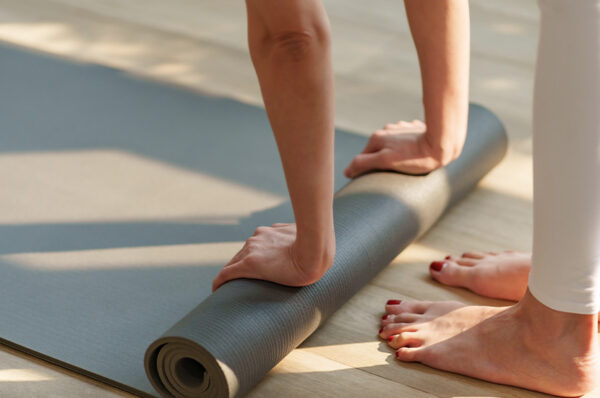



Yoga mats and exercise mats differ primarily in thickness, grip technology, and material construction. Yoga mats are typically thinner (3–6 mm) with superior grip for holding poses, while exercise mats are thicker (10–20 mm) for cushioning during floor workouts. The choice between them depends on your specific practice needs and comfort requirements.
What exactly makes a yoga mat different from an exercise mat?
Yoga mats are specifically designed for stability and grip during yoga poses, while exercise mats prioritise cushioning for high-impact activities. The fundamental difference lies in their construction and intended purpose.
Key distinguishing features include:
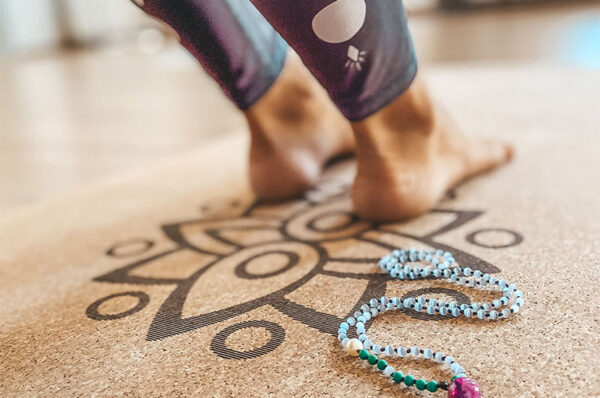
- Material composition: Yoga mats use natural rubber, PVC, or cork that provide excellent traction and prevent slipping during poses like downward dog or warrior sequences
- Surface engineering: Yoga mat textures are carefully designed to maintain grip even when you sweat, while exercise mats focus on basic comfort
- Density characteristics: Yoga mats maintain their shape for stable balance poses, whereas exercise mats compress readily to cushion joints during movements
- Shock absorption priority: Exercise mats use thick foam or NBR rubber specifically for protection from hard surfaces during high-impact activities
- Size specifications: Yoga mats are typically longer (68–72 inches) to accommodate full-body poses, while exercise mat dimensions vary based on intended use
These design differences reflect each mat type’s specialised purpose. Yoga mats create a stable foundation that connects you to the ground for proper alignment, while exercise mats prioritise joint protection and comfort during dynamic movements. Understanding these distinctions helps you select equipment that truly supports your practice rather than working against it.
How do thickness and grip compare between yoga mats and exercise mats?
Yoga mats range from 3–6 mm thick with specialised grip surfaces, whilst exercise mats typically measure 10–20 mm thick with basic traction patterns. This thickness difference directly impacts performance and comfort during different activities.
The thickness and grip variations serve distinct purposes:
- Ground connection: Yoga mat thinness helps you feel connected to the floor for proper alignment and balance, preventing interference with stability during standing poses
- Joint protection: Exercise mat thickness provides essential cushioning for floor work like crunches and push-ups, absorbing impact from repetitive movements
- Advanced grip technology: Yoga mats feature textured surfaces, raised patterns, or closed-cell construction that increases friction while preventing moisture absorption
- Basic traction systems: Exercise mats offer smoother surfaces with standard anti-slip properties sufficient for general movement without complex pose transitions
- Muscle engagement: The firm yoga mat surface helps activate the correct muscles during practice, while exercise mat softness prioritises comfort over precision
- Sustainable options: Natural rubber or cork yoga mats provide superior grip without synthetic materials, supporting environmental responsibility
These thickness and grip differences reflect the fundamental distinction between stability-focused and cushioning-focused design philosophies. Yoga practitioners benefit from the precise feedback and secure footing that thinner, grippier mats provide, while fitness enthusiasts appreciate the joint protection and comfort that thicker exercise mats deliver during varied workout routines.
Which type of mat should you choose for your specific practice?
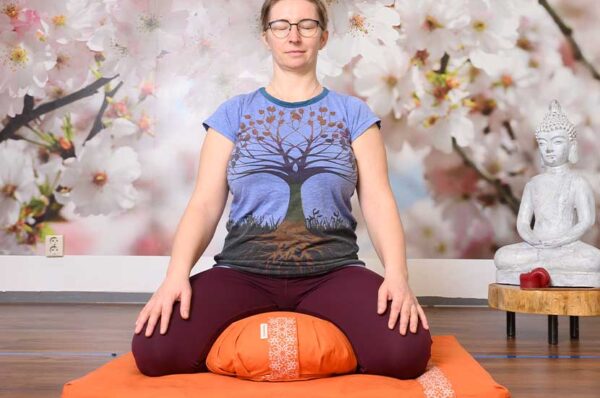
Choose a yoga mat if you practise yoga, meditation, or need stability for balance work. Select an exercise mat for Pilates, stretching, general fitness, or when you prioritise cushioning over grip.
Consider these factors when making your selection:
- Yoga style requirements: Hot yoga demands superior moisture-handling grip, while restorative practices benefit from slightly thicker mats (5–6 mm) for extended comfort
- Experience level needs: Beginners often prefer alignment guides and extra length for learning proper positioning, while advanced practitioners choose thinner mats for better ground connection
- Multi-activity considerations: Yoga mats work adequately for light stretching or Pilates, but exercise mats lack sufficient stability for balance-requiring yoga poses
- Sustainable material options: Natural materials like organic rubber, cork, or jute offer excellent performance while reducing environmental impact and often lasting longer than synthetics
- Budget and longevity: Quality yoga mats represent long-term investments maintaining grip and shape over years, while exercise mats typically require more frequent replacement due to compression
- Storage and portability: Thinner yoga mats roll more compactly and weigh less for transport, while thicker exercise mats may require more storage space
Your choice should align with your primary activity and personal values. Those focused on yoga, meditation, or balance work will find yoga mats enhance their practice through superior stability and grip. Fitness enthusiasts prioritising joint comfort during floor exercises will appreciate the cushioning that exercise mats provide. Understanding these differences helps you make an informed choice that supports your practice and aligns with your values. Whether you prioritise performance, sustainability, or specific activity requirements, selecting the right mat enhances your experience and supports your wellness journey. We at Samarali believe that choosing sustainable yoga mats made from organic materials creates a foundation for mindful practice whilst caring for our planet.
Browse our selection of thoughtfully crafted collection of sustainable yoga essentials—designed for mindful movement and made with respect for the planet.