


Understanding the difference between mindfulness and meditation is essential for developing effective present moment awareness practices. Mindfulness is a state of conscious awareness that can happen anywhere during daily activities, while meditation is a formal practice used to cultivate this awareness through specific techniques and dedicated time. Both support conscious living and complement each other beautifully—meditation strengthens your capacity for present moment awareness, and mindfulness brings meditative awareness into everyday life without requiring formal sessions.
What exactly is the difference between mindfulness and meditation?
Mindfulness is a way of being aware in the present moment, while meditation is a structured practice you do to develop this awareness. Think of mindfulness as noticing what’s happening right now—the taste of your morning tea, the feeling of your breath during a stressful meeting, or the sounds around you while walking. Meditation, on the other hand, involves setting aside specific time to train your attention using particular techniques like focused breathing, body scanning, or loving kindness practices.
The confusion between mindfulness and meditative states often comes from the term “mindfulness meditation,” which describes meditation techniques that specifically develop present moment awareness. However, you can be mindful without meditating, and you can meditate using methods that aren’t focused on mindfulness, such as loving-kindness or concentration practices. Understanding this difference between mindfulness present moment awareness and meditation helps you choose the right approach for your lifestyle and wellness goals.
These practices work together beautifully to support conscious living and stress reduction. Regular meditation builds your capacity for mindfulness throughout the day, strengthening your ability to maintain present moment awareness during challenging situations. Meanwhile, practising mindfulness during routine activities reinforces the awareness you develop during formal meditation sessions. Neither is better than the other—they’re complementary tools that create a sustainable foundation for wellness and personal development.
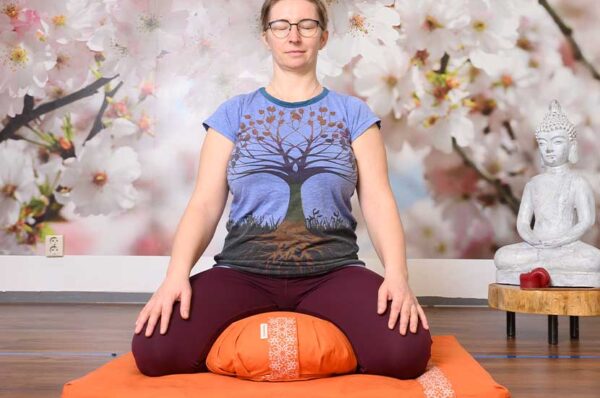
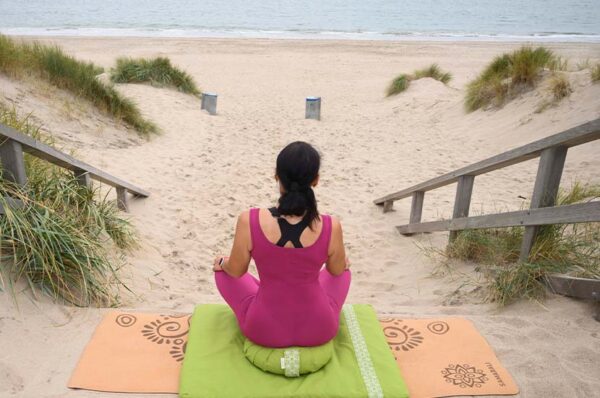
Many people think they need to sit cross-legged for hours to benefit from these practices, but that’s not true. Mindfulness can happen whilst washing dishes or walking to work, and meditation can be as simple as three mindful breaths on a comfortable meditation cushion.
How do you practice mindfulness without formal meditation?
Mindful living happens through bringing full attention to ordinary activities you already do every day. Here are the most effective ways to cultivate present moment awareness without requiring additional time or formal meditation sessions:
- Mindful eating – Notice the colours, textures, and flavours of your food, chew slowly, and put your fork down between bites to enhance appreciation and digestion
- Walking meditation – Feel your feet touching the ground, observe your breathing rhythm, and notice surroundings without judgment during any walk
- Single-tasking at work – Give complete attention to one email, conversation, or project at a time whilst taking three conscious breaths before starting new tasks
- Mindful household tasks – Pay attention to warm water whilst washing dishes, the rhythm of folding laundry, or the satisfaction of organising your space
- Conscious breathing moments – Return attention to your natural breath whenever you notice mental wandering throughout the day
These mindfulness practices transform ordinary moments into opportunities for present moment awareness without requiring additional time, equipment, or formal meditation training. The key is consistency—regularly returning your attention to the present moment during activities you’re already doing creates a natural foundation for conscious living that supports both mental clarity and stress reduction. Start with just one activity per day, such as mindful coffee drinking or conscious breathing during your commute, then gradually expand your awareness practice as it becomes more natural.
Which should you start with if you’re new to wellness practices?
Your choice between mindfulness and meditation depends on your lifestyle and preferences, as both approaches offer unique advantages for developing present moment awareness and reducing stress:
- Start with informal mindfulness – Best if you have limited time or feel intimidated by formal practice, as it integrates into existing routines without additional commitments
- Begin with structured meditation – Ideal if you prefer routine and can dedicate 5-10 minutes daily, starting with basic breath awareness in a comfortable seated position
- Consider your schedule honestly – Busy parents might find mindful breakfast preparation more sustainable than sitting practice, whilst routine-lovers may thrive with daily meditation sessions
- Focus on consistency over duration – Five minutes of daily practice creates more lasting change than occasional hour-long sessions, regardless of which approach you choose
The most successful approach is the one that feels natural and sustainable for your current circumstances. Many practitioners discover that mindfulness and meditation naturally support each other—informal present moment awareness often leads to enjoying brief meditation sessions, whilst meditation deepens your capacity for everyday mindfulness. Both paths develop the same underlying consciousness, stress reduction benefits, and support long term wellness goals that busy professionals and parents can realistically maintain.
Both mindfulness and meditation offer pathways to greater awareness, reduced stress, and more conscious living. The difference lies in approach rather than outcome—mindfulness brings meditation into daily life, whilst meditation deepens your capacity for mindfulness. At Samarali, we believe sustainable wellness practices should fit naturally into your lifestyle. That’s why all our yoga and meditation accessories use organic cotton fabrics and plastic-free packaging, supporting both your mindful practice and environmental values.
Browse our selection of thoughtfully crafted collection of sustainable yoga essentials—designed for mindful movement and made with respect for the planet.