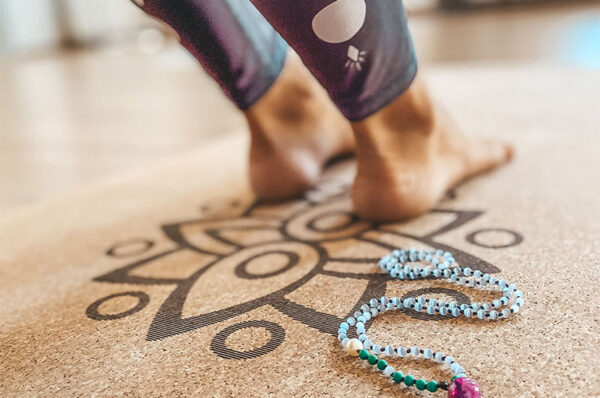



A yoga mat’s carbon footprint varies dramatically by material, ranging from high-emission PVC mats that release harmful chemicals during production to low-impact natural alternatives like cork and organic cotton. Sustainable yoga mats made from natural materials typically produce 60–80% fewer emissions than conventional synthetic options. Understanding these differences helps you make environmentally conscious choices that align with your values while supporting your practice.
What exactly is a carbon footprint when it comes to yoga mats?
A carbon footprint for yoga mats measures the total greenhouse gas emissions produced throughout the mat’s entire lifecycle. This comprehensive assessment encompasses several key stages:
- Raw material extraction – Mining petroleum for synthetic mats or harvesting natural materials like rubber and cork
- Manufacturing processes – Energy consumption and chemical processing required to transform raw materials into finished mats
- Transportation – Shipping emissions from manufacturing centers to retail locations and ultimately to consumers
- Product use phase – Maintenance requirements and potential chemical off-gassing during the mat’s lifespan
- End-of-life disposal – Environmental impact of decomposition, recycling, or incineration
These lifecycle stages combine to create a complete picture of your yoga mat’s environmental impact. The manufacturing process typically represents the largest portion of emissions, especially for synthetic materials that require petroleum-based chemicals and energy-intensive production methods. Understanding this comprehensive footprint empowers you to make purchasing decisions that reflect your values while supporting manufacturers who prioritize ecological responsibility and contribute to planetary well-being.
How do PVC and synthetic yoga mats impact the environment?
PVC and synthetic yoga mats create substantial environmental challenges that extend far beyond their initial production. These impacts manifest across multiple areas:
- Petroleum dependency – PVC production requires significant fossil fuel extraction, contributing directly to carbon emissions and environmental degradation
- Toxic chemical production – Manufacturing involves chlorine gas and produces harmful dioxins, while phthalates and stabilizers leach chemicals throughout the mat’s lifespan
- High energy manufacturing – Synthetic mat production generates approximately 3–5 times more carbon emissions than natural alternatives through energy-intensive chemical processes
- Long-term waste problems – PVC mats can take 500–1000 years to decompose in landfills, continuously releasing toxic chemicals as they break down
- Limited disposal options – Incineration produces dangerous dioxins and hydrochloric acid, making safe disposal extremely challenging
The cumulative effect of these factors makes synthetic mats particularly problematic for environmentally conscious practitioners. Even TPE (thermoplastic elastomer) mats, often marketed as eco-friendly alternatives, still require petroleum-based materials and generate considerable manufacturing emissions. These environmental costs highlight the importance of exploring natural alternatives that can support both your practice and planetary health.
Which natural yoga mat materials have the lowest carbon footprint?
Natural materials offer dramatically lower environmental impact, with several standout options leading the sustainability movement:
- Natural rubber – Rubber trees actively absorb CO2 during growth, and harvesting doesn’t harm the trees, though transportation from tropical regions can add some emissions
- Cork – Provides carbon-negative benefits as cork oak trees absorb more CO2 after harvesting, with processing requiring minimal energy and no harmful chemicals
- Jute – Grows rapidly without pesticides, requires minimal water, and processes easily with low energy requirements
- Organic cotton – Avoids synthetic pesticides and fertilizers that contribute to manufacturing emissions, though it requires more water than other plant-based options
- Hemp – Offers exceptional durability with minimal processing needs and naturally improves soil health during cultivation
These natural materials typically produce 60–80% fewer emissions than synthetic alternatives while offering additional environmental benefits. Many sequester carbon during their growth phases and biodegrade completely at end-of-life, creating a circular approach to product lifecycle. The combination of lower production emissions, renewable sourcing, and biodegradability makes these materials ideal for practitioners seeking to align their yoga practice with environmental values.
What can you do to minimize your yoga mat’s environmental impact?
Reducing your yoga mat’s environmental footprint requires thoughtful decisions across purchase, use, and disposal phases:
- Choose natural materials – Prioritize mats made from cork, natural rubber, jute, or organic cotton to dramatically reduce carbon emissions
- Buy locally when possible – Select locally manufactured mats to minimize transportation emissions and support regional economies
- Extend lifespan through proper care – Clean regularly with natural solutions, store away from direct sunlight, and handle gently to increase durability from 2–3 years to 5–7 years
- Look for certifications – Seek OEKO-TEX or GREENGUARD verified products that ensure sustainable production methods
- Plan responsible disposal – Research local recycling programs, manufacturer take-back options, or composting facilities for natural materials
These actions work together to significantly reduce your yoga practice’s environmental footprint while often improving your mat’s performance and longevity. Proper maintenance can effectively halve your mat’s annual carbon impact, while choosing natural materials provides immediate and long-term environmental benefits. By considering your actual practice needs rather than following trends, you can select a durable, sustainable mat that serves both your wellness journey and environmental responsibility.
Your choice of yoga mat reflects your commitment to environmental responsibility. Natural materials like cork, organic cotton, and sustainably sourced rubber offer the lowest carbon footprints while supporting your practice effectively. At Samarali, we understand this connection between mindful practice and environmental stewardship. That is why all our yoga and meditation gear uses organic cotton fabrics, and we avoid plastic entirely in our product packaging, ensuring your wellness journey supports planetary health.
Browse our selection of thoughtfully crafted collection of sustainable yoga essentials—designed for mindful movement and made with respect for the planet.