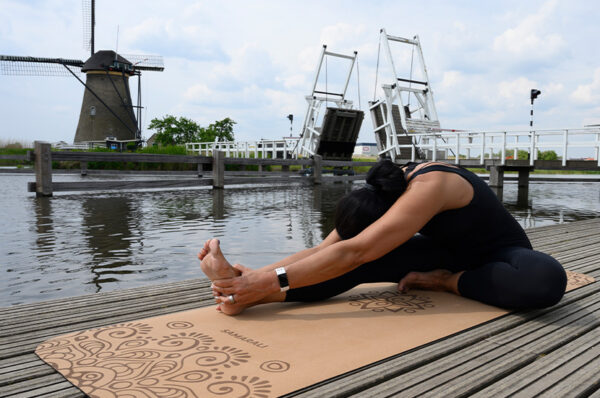



Sustainable yoga practices merge traditional mindfulness with environmental stewardship through eco-friendly equipment, organic materials, and conscious consumption choices. This approach to yoga and environmental sustainability supports both personal wellness and planetary health by selecting natural rubber mats and organic cotton props, avoiding single-use plastics, and embracing a minimalist approach that honors the yoga environment. Environmental stewardship naturally aligns with yoga’s core principles of interconnectedness and respect for all living beings.

What makes yoga practice truly eco-friendly?
Eco-friendly yoga practices prioritise sustainable materials and mindful consumption while honouring the connection between personal wellness and environmental health. This approach recognises that caring for our planet reflects yoga’s fundamental teaching of interconnectedness with all life.
Several key elements define truly sustainable yoga practice:
- Sustainable material choices – Selecting organic cotton mats, props, and clothing over synthetic alternatives avoids harmful pesticides and chemicals that damage soil and waterways while ensuring materials biodegrade naturally rather than persisting in landfills
- Mindful consumption habits – Buying only essential items, maintaining equipment properly to extend lifespan, and choosing quality pieces that won’t require frequent replacement reduces waste and decision fatigue
- Philosophical alignment – Living yoga’s teachings of interconnection with nature through daily choices creates an authentic practice that extends beyond physical poses into meaningful lifestyle changes
- Quality over quantity approach – Investing in fewer, higher-quality items enhances practice by reducing distractions while supporting manufacturers committed to sustainable production methods
These elements work together to create a holistic approach where environmental consciousness becomes an integral part of spiritual practice. When practitioners align their material choices with yoga’s deeper teachings around ahimsa and non-harm, they develop a more authentic relationship with both their practice and the natural world. Choosing organic cotton blankets, cork yoga mats, and plastic-free accessories reinforces sustainable yoga as a lived value rather than a purchasing decision, deepening the connection between personal wellness and planetary health.

How can you reduce your environmental impact during yoga practice?
You can minimise your environmental footprint through sustainable yoga practices by choosing plastic-free alternatives, creating an eco-conscious home yoga environment, and selecting accessories made from eco-friendly materials such as natural rubber, organic cotton, and sustainably harvested cork. These environmental stewardship strategies significantly reduce waste while supporting ethical manufacturing practices that align with yoga’s mindful principles, making every session an active contribution to planetary health.
Implement these specific changes to reduce your yoga practice’s environmental impact:
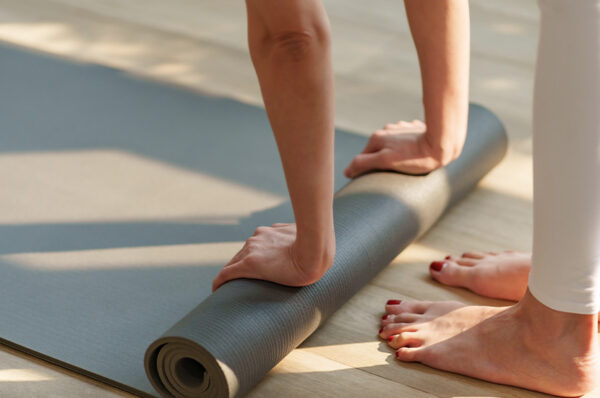
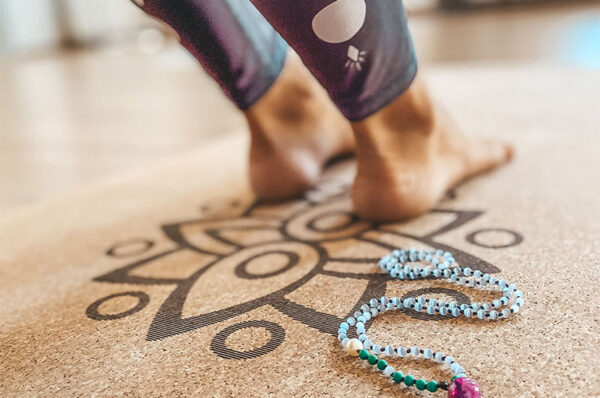
- Choose natural yoga mats – Natural rubber mats provide excellent grip and cushioning, while cork mats offer antimicrobial properties and sustainable harvesting, both avoiding toxic PVC chemicals.
- Select organic props and accessories – Organic cotton straps, bolsters, and blankets paired with cork blocks last longer than synthetic alternatives while supporting chemical-free production methods.
- Create sustainable storage solutions – metal water bottles eliminate countless plastic bottles, glass containers store homemade cleaning solutions, and second-hand furniture provides eco-friendly equipment storage.
- Design an eco-conscious practice space – Utilise natural lighting, incorporate air-purifying plants, and create cleaning solutions from vinegar and essential oils rather than chemical-laden products in plastic packaging
- Make mindful transportation choices – Walking or cycling to classes provides a mindful transition while reducing carbon emissions, or choose nearby studios and carpool when driving is necessary

These practical changes transform your yoga practice into an active demonstration of environmental stewardship. By making conscious choices about equipment, space, and transportation, sustainable yoga practitioners build a complete ecosystem of mindful living that reinforces yoga’s teachings about interconnectedness. Small decisions, such as switching to a cork yoga mat or carrying a reusable water bottle, collectively reduce plastic waste, support regenerative supply chains, and cultivate a yoga environment that nurtures both personal well-being and the health of the planet.
Why do sustainable yoga products matter for environmental stewardship?
Sustainable yoga products reduce environmental harm. Organic cotton production, plastic-free packaging, and ethical manufacturing processes uphold genuine environmental stewardship. For example, conventional synthetic yoga mats are typically made from PVC, a plastic that releases harmful chemicals during production and takes hundreds of years to decompose in a landfill. By contrast, cork yoga mats and cork blocks are biodegradable, renewable, and produced without the toxic chemical processes that burden local ecosystems. These conscious choices in yoga and environmental sustainability support circular economy principles whilst creating a healthier yoga environment for practitioners and the planet alike.
Understanding the environmental impact reveals why sustainable yoga products are essential:
- Organic cotton production benefits – Uses significantly less water than conventional cotton while avoiding synthetic pesticides that contaminate soil and groundwater, supporting biodiversity through healthier farming ecosystems
- Plastic-free packaging elimination – Replaces multiple layers of plastic waste with recyclable cardboard, compostable materials, or reusable packaging that serves secondary purposes beyond initial delivery
- Ethical manufacturing standards – Considers entire production lifecycle from raw materials to worker conditions to end-of-life disposal, ensuring no contribution to exploitation or environmental degradation anywhere in the supply chain
- Carbon offset initiatives – Many sustainable yoga companies offset emissions and support environmental restoration projects, creating a net positive environmental impact beyond just reducing harm
- Market transformation power – Consumer demand for environmentally responsible products drives companies to improve sustainability standards, creating positive change throughout the entire wellness industry supply chain

The collective impact of choosing sustainable yoga products extends far beyond individual purchases. When practitioners consistently select organic and natural alternatives, they send market signals that shift manufacturing standards across the entire wellness industry. These conscious decisions in environmental stewardship support regenerative agriculture, reduce microplastic pollution from synthetic fabrics, and shrink the carbon footprint of the global yoga industry. Every plastic-free mat, organic cotton strap, and sustainably sourced prop represents a vote for a yoga environment where sustainability is the foundation of mindful practice rather than an afterthought.
Embracing sustainable yoga practices creates a meaningful connection between personal wellness and environmental stewardship. These mindful choices reflect yoga’s deeper teachings whilst supporting a healthier planet for future generations. At Samarali, we’re committed to this vision of yoga and environmental sustainability through our yoga gear and completely plastic-free packaging, making it easier for you to align your practice with your values in creating a conscious yoga environment.
Browse our collection of thoughtfully crafted sustainable yoga essentials, from natural rubber mats to organic cotton props, designed for mindful movement and made with genuine respect for the planet.