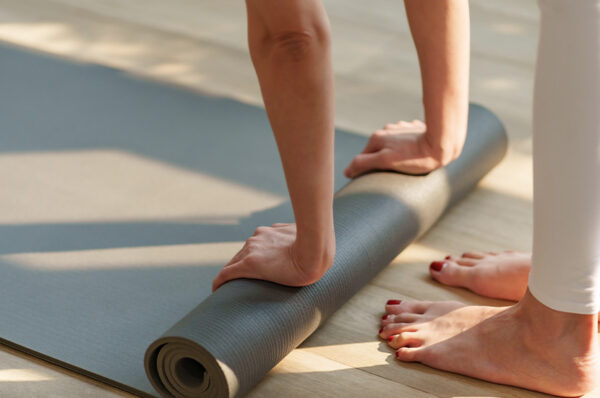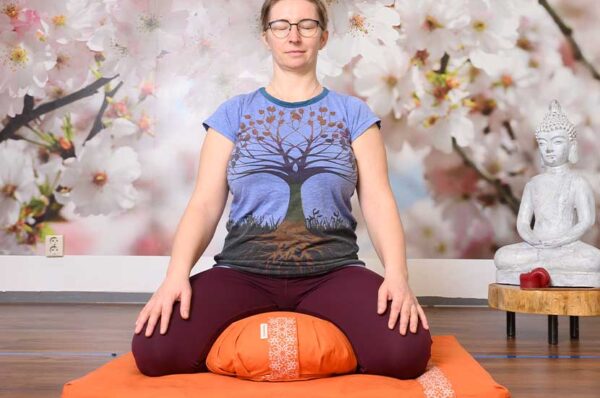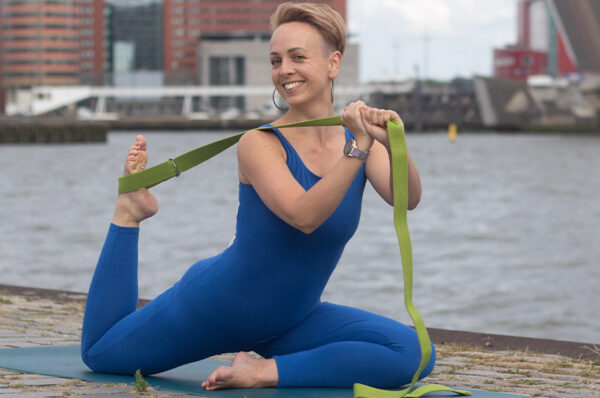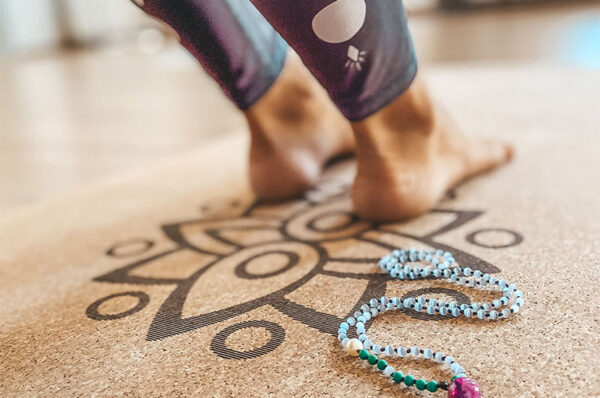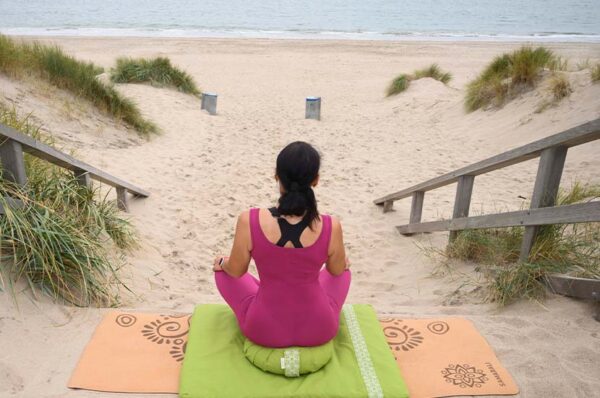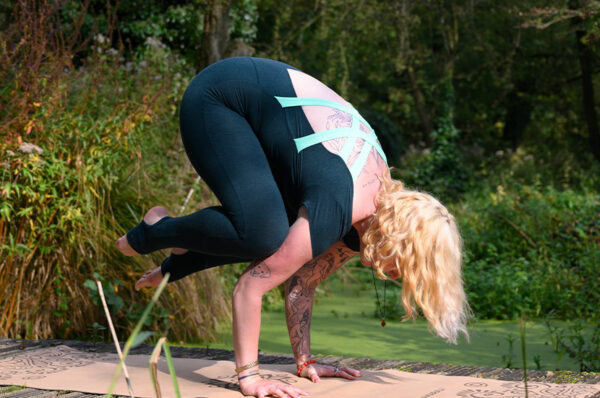



The most sustainable yoga prop materials include cork, natural rubber, organic cotton, bamboo, and jute. These materials are renewable, biodegradable, and produced through eco-friendly processes that minimize environmental impact. Each material offers unique benefits for different props, from cork’s antimicrobial properties for blocks to natural rubber’s superior grip for sustainable yoga mats.
What makes a yoga prop material truly sustainable?
A truly sustainable yoga prop material meets several important criteria that distinguish genuinely eco-friendly options from products using green marketing without environmental substance:
- Renewable sourcing – Raw materials come from resources that naturally replenish themselves, like cork harvesting that doesn’t harm trees or bamboo that grows rapidly without replanting
- Biodegradability – Materials break down naturally at end-of-life, returning nutrients to earth rather than persisting in landfills
- Low-impact manufacturing – Production requires minimal chemical processing, uses renewable energy where possible, and generates little waste
- Durability – High-quality construction reduces replacement frequency and overall resource consumption over time
- Responsible disposal – Products can be composted or recycled rather than contributing to environmental waste
These interconnected factors create a holistic approach to sustainability that considers the entire lifecycle of yoga props. When materials excel in all these areas, they provide genuine environmental benefits while often delivering superior performance compared to conventional alternatives.
Which natural materials work best for different yoga props?
Different natural materials excel for specific yoga props based on their unique properties and performance characteristics:
- Cork – Ideal for blocks and wheels due to its antimicrobial properties, excellent grip when damp, and perfect firmness for weight-bearing positions
- Natural rubber – Creates superior mats with unmatched grip that improves with moisture, plus excellent cushioning for joint protection
- Organic cotton – Perfect for straps, bolsters, and cushions because it’s soft against skin, machine washable, and becomes more comfortable with use
- Bamboo – Offers lightweight versatility for clothing and accessories with natural moisture-wicking and antimicrobial properties
- Jute – Provides exceptional durability for mats and bags while being naturally antimicrobial and developing softer texture over time
Each material brings specific advantages that make them naturally suited to particular applications. Understanding these material properties helps practitioners choose props that will perform optimally while supporting their sustainability goals throughout years of regular practice.
How do sustainable yoga props compare to conventional options in performance?
Sustainable yoga props often match or exceed conventional options in key performance areas, though they may require different care approaches:
- Superior grip performance – Natural rubber mats provide better traction than PVC alternatives, especially during sweaty practices where grip actually improves with moisture
- Enhanced durability – Cork blocks maintain shape better than foam alternatives, while organic cotton straps outlast synthetic versions through better stress and washing resistance
- Better temperature regulation – Natural materials like organic cotton and bamboo breathe better than synthetics, reducing overheating and improving comfort
- Antimicrobial properties – Cork and jute naturally resist bacterial growth, eliminating hygiene issues common with synthetic foam blocks
- Specific care requirements – Natural materials may need particular cleaning methods and longer drying times compared to synthetic alternatives
While sustainable materials often deliver superior long-term performance, they do require practitioners to adjust their care routines and sometimes accept different textures initially. These minor adaptations are typically offset by improved functionality, comfort, and the satisfaction of making environmentally conscious choices.
What should you look for when buying sustainable yoga equipment?
Smart sustainable yoga equipment purchasing requires careful evaluation of certifications, materials, and company practices:
- Third-party certifications – Look for GOTS for organic textiles, FSC for wood products, and OEKO-TEX for chemical safety verification
- Specific material details – Avoid vague “eco-friendly” claims and demand clear information about exact materials and sourcing
- Transparent supply chains – Choose companies that readily share information about manufacturing locations, processes, and working conditions
- Total cost evaluation – Consider long-term value rather than just initial price, factoring in durability and performance benefits
- Sustainable packaging – Seek minimal, plastic-free packaging made from recycled or compostable materials
These criteria help distinguish genuinely sustainable products from greenwashed alternatives. Companies committed to sustainability typically highlight their environmental practices prominently and welcome questions about their manufacturing processes and material sourcing.
Choosing sustainable yoga props supports both your practice and environmental well-being. These materials often provide superior performance while aligning your equipment choices with mindful living principles. Whether you’re looking for complete yoga sets or individual meditation cushions, sustainable options offer the perfect combination of performance and environmental responsibility. At Samarali, we understand this connection deeply. All our yoga and meditation gear uses organic cotton fabrics, and we never include plastic in our product packaging, ensuring your sustainable practice extends from your mat to the materials supporting your journey.
Browse our selection of thoughtfully crafted collection of sustainable yoga essentials—designed for mindful movement and made with respect for the planet.