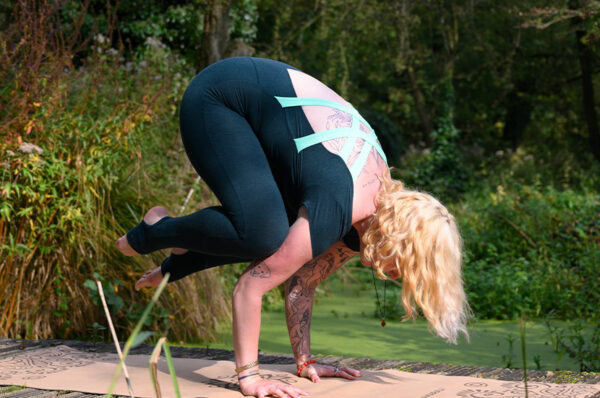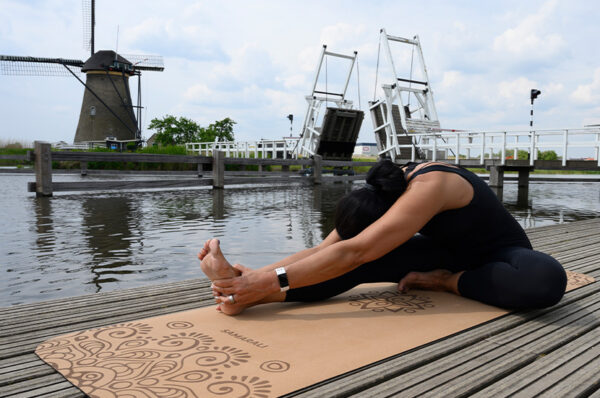



Mindful living practices for 2026 centre on integrating intentional awareness into every aspect of modern life, from digital interactions to consumption choices. These practices combine traditional mindfulness principles with contemporary challenges, emphasising sustainable habits, conscious consumption, and digital wellness. The approach focuses on creating an authentic balance between personal well-being and environmental responsibility through practical, accessible techniques.
What does mindful living actually mean in today’s world?
Mindful living means bringing conscious awareness to your daily choices, relationships, and interactions with the environment. It involves making intentional decisions that align with your values whilst considering their impact on both personal well-being and the planet. This practice extends far beyond meditation to encompass how you consume, communicate, work, and move through the world.
Modern mindful living acknowledges that awareness must adapt to contemporary realities, incorporating several key elements:
- Conscious decision-making – Developing the ability to pause, consider options, and choose actions that support both immediate needs and long-term values
- Technology integration – Practising mindfulness whilst navigating digital platforms, social media, and work-life boundaries
- Pattern recognition – Building awareness of your habits, motivations, and the ripple effects of your choices on energy levels and relationships
- Environmental connection – Understanding how personal lifestyle choices contribute to broader ecological systems and planetary health
This holistic approach recognises that mindful living isn’t about achieving perfection or following rigid rules, but rather about cultivating a deeper understanding of how your daily actions create meaningful impact. By developing these interconnected awareness skills, you can navigate modern life with greater intention whilst contributing to both personal wellness and environmental sustainability.
How can you practise mindful consumption without breaking the bank?
Mindful consumption focuses on buying fewer, higher-quality items that serve multiple purposes and last longer. This approach actually saves money whilst reducing environmental impact through strategic purchasing decisions:
- The 24-hour pause – Implementing a waiting period for non-essential purchases allows you to distinguish between genuine needs and momentary impulses
- Quality research – Investigating durability, ethical manufacturing, and environmental impact before buying helps you choose items that provide better long-term value
- Cost-per-use calculation – Evaluating purchases based on how often you’ll use them rather than just initial price reveals the true economic value
- One in, one out principle – Maintaining intentional consumption by donating or disposing of items when bringing new ones into your space
- Second-hand first approach – Exploring charity shops, online marketplaces, and community exchanges before buying new extends product lifecycles whilst reducing costs
These mindful consumption strategies work together to create a sustainable approach to purchasing that supports both financial wellness and environmental responsibility. By focusing on necessity, quality, and alignment with your values rather than trends or impulses, you develop a more intentional relationship with material possessions that ultimately proves both economical and fulfilling.
What are the most effective digital wellness practices for mindful living?
Digital wellness practices involve setting intentional boundaries with technology to maintain mental clarity and present-moment awareness. These strategies help you engage mindfully with digital content whilst protecting your natural attention patterns:
- Tech-free zones – Creating device-free spaces in bedrooms and dining areas supports better sleep quality and more meaningful face-to-face conversations
- Structured screen-time boundaries – Designating specific hours for checking emails, social media, and news prevents constant digital stimulation throughout the day
- Morning phone-free periods – Starting days with meditation, journalling, or gentle movement before engaging with digital devices creates more mindful daily beginnings
- Conscious social media curation – Unfollowing accounts that trigger comparison whilst following those that inspire, educate, or genuinely connect you with others
- Regular digital detoxes – Scheduling breaks from all devices, starting with short periods and gradually extending to full days or weekends
These digital wellness practices create space for deeper presence and authentic connection in an increasingly connected world. By establishing clear boundaries and intentional engagement with technology, you can harness the benefits of digital tools whilst maintaining the mental clarity and emotional balance essential for mindful living.
How do you create sustainable daily routines that actually stick?
Sustainable daily routines develop through gradual implementation of small, consistent actions rather than dramatic lifestyle changes. Building lasting habits requires strategic approaches that work with your existing patterns:
- Anchor habits – Connecting new practices to established routines, such as practising mindful breathing after brushing teeth or stretching whilst tea steeps
- Intentional morning practices – Starting days with simple activities like meditation, gratitude journalling, or yoga to set positive daily intentions
- Restful evening transitions – Creating routines that support rest through activities like preparing for the next day, tidying spaces, or reflecting on positive moments
- Environmental alignment – Incorporating sustainable choices like reusable water bottles, organic cotton clothing, or plastic-free personal care products into daily habits
- Flexible structure – Developing shorter routine versions for busy days and longer versions for relaxed periods to prevent all-or-nothing thinking
These routine-building strategies create sustainable practices that support both personal wellness and environmental consciousness. By starting small, connecting to existing habits, and maintaining flexibility, you develop meaningful daily practices that feel natural and purposeful rather than forced or overwhelming, making them far more likely to become lasting parts of your mindful living approach.
Mindful living practices for 2026 offer practical pathways to greater awareness, intentional consumption, and sustainable well-being. These approaches recognise that authentic mindfulness adapts to modern realities whilst maintaining a connection to timeless principles of conscious living. At Samarali, we support this journey through thoughtfully designed products made from organic cotton without plastic packaging, helping you create mindful practices that benefit both personal wellness and environmental health.
Browse our selection of thoughtfully crafted collection of sustainable yoga essentials—designed for mindful movement and made with respect for the planet.