


Starting a yoga practice as a New Year resolution combines physical fitness with mental wellness, making it more sustainable than traditional gym-based resolutions. Unlike other fitness goals that focus solely on physical outcomes, yoga addresses both body and mind through mindful movement, breathing techniques, and meditation. This holistic approach helps you build lasting habits that support overall wellbeing throughout the year and beyond.
What makes yoga different from other New Year fitness resolutions?
Yoga offers a holistic approach to wellness that sets it apart from conventional fitness resolutions in several key ways:
- Mind-body integration: Unlike traditional workouts that focus solely on physical outcomes, yoga simultaneously addresses mental, emotional, and physical health through mindful movement and breathing
- Adaptable practice: Yoga adjusts to your current fitness level, available time, and life circumstances, making it accessible whether you have five minutes or an hour
- Injury prevention focus: The mindful approach teaches you to listen to your body’s needs rather than pushing through pain, creating a safer and more sustainable exercise routine
- Stress reduction benefits: Regular practice naturally reduces cortisol levels, improves sleep quality, and enhances emotional regulation beyond just physical fitness gains
- Positive reinforcement cycle: The immediate mental health benefits create intrinsic motivation to continue, rather than viewing exercise as punishment or obligation
This comprehensive approach creates a sustainable wellness practice that grows stronger over time. The flexibility and adaptability of yoga mean you’re more likely to maintain consistency, whilst the mental health benefits provide ongoing motivation that traditional fitness resolutions often lack. This combination of physical movement with mindfulness creates lasting lifestyle changes rather than temporary behaviour modifications.
How do you actually start a yoga practice when you’re a complete beginner?
Starting your yoga journey requires a thoughtful approach that builds confidence and sustainable habits:
- Choose beginner-appropriate classes: Start with gentle, hatha, or restorative yoga styles that emphasise proper alignment and basic poses rather than advanced sequences
- Set realistic time commitments: Begin with 10-15 minute sessions to build consistency without overwhelming your schedule, gradually increasing duration as practice becomes habitual
- Find quality instruction: Look for teachers who offer modifications, emphasise alignment, and create welcoming environments, whether online or in local studios
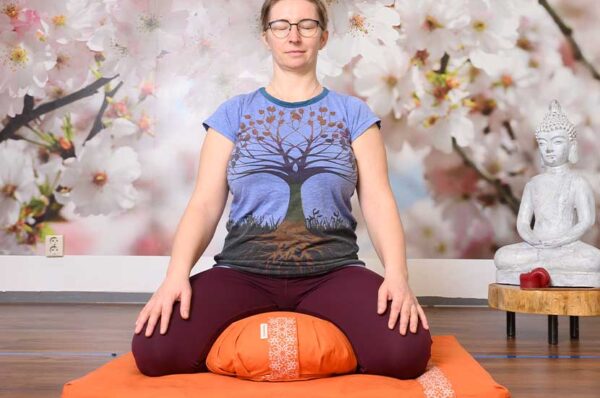
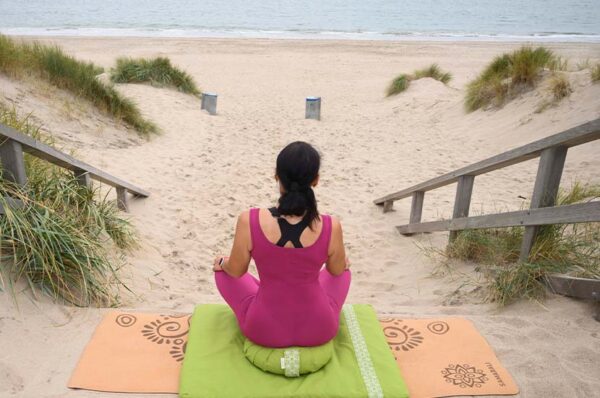
- Create a dedicated space: Establish a quiet area at home where you can move freely, adding elements like plants or soft lighting to create a peaceful atmosphere
- Master fundamental poses: Focus on basic postures like mountain pose, downward-facing dog, and child’s pose, prioritising proper form over flexibility achievements
- Consider in-person guidance: Attend a few studio classes to understand proper alignment and build confidence before establishing a home practice
Remember that yoga is called a “practice” because it emphasises consistent effort over perfection. Building a strong foundation through patient, mindful learning creates the groundwork for a lifelong wellness practice. The key is approaching your beginning with curiosity and self-compassion, allowing your practice to evolve naturally as you develop strength, flexibility, and understanding.
What yoga equipment do you really need as a beginner?
Starting your yoga practice requires minimal investment, with sustainability being as important as functionality:
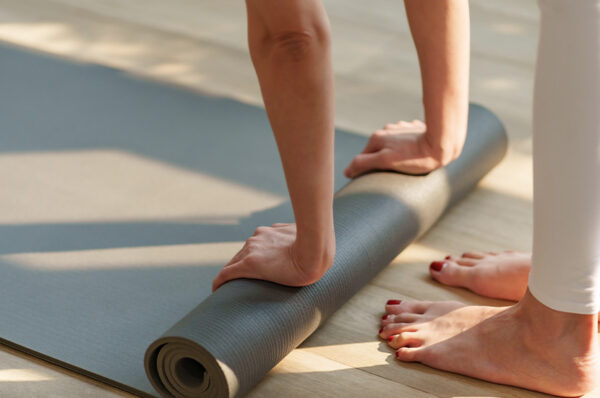
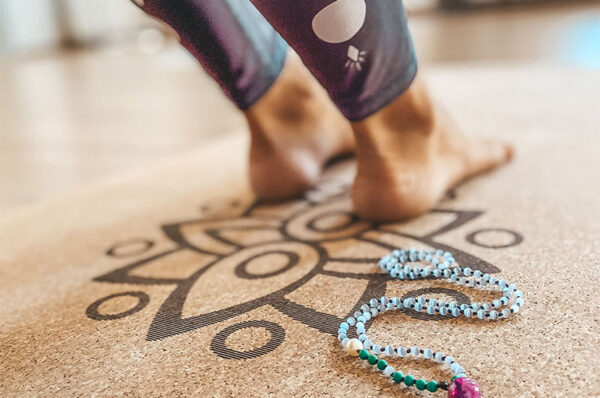
- Essential yoga mat: Choose a yoga mat made from natural rubber or cork rather than PVC plastic, providing necessary grip and joint cushioning whilst being environmentally responsible
- Supportive yoga blocks: Opt for cork or recycled foam blocks that bring the ground closer during poses, particularly helpful for seated forward folds and standing postures
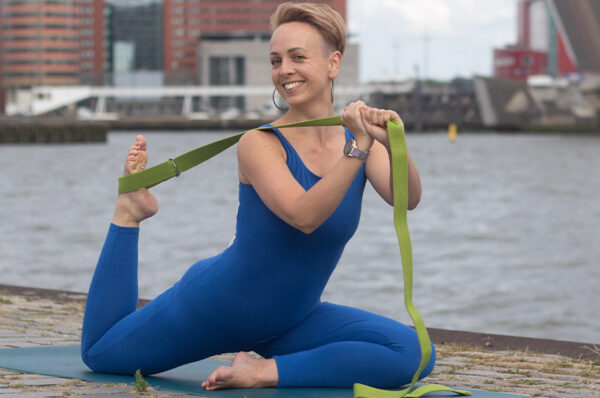
- Flexibility-assisting strap: A buckled strap helps with stretches and binding poses, though a belt or towel can serve temporarily until you determine your needs
- Household alternatives: Books can substitute for blocks, towels for straps, and many poses require no equipment at all, keeping initial costs minimal
- Quality over quantity approach: Avoid purchasing numerous props initially; start with basics and add items only as your practice reveals specific needs
- Ethical sourcing priority: Choose companies using organic materials, plastic-free packaging, and ethical manufacturing to align your practice with mindful values
The most important aspect of choosing yoga equipment is selecting items that support your practice whilst reflecting your values. Sustainable, ethically-made props not only enhance your physical practice but also reinforce the mindful principles that yoga teaches. Starting with minimal, high-quality equipment allows you to discover what truly serves your practice without creating clutter or waste.
How do you build a yoga habit that actually lasts beyond January?
Creating a sustainable yoga practice requires strategic habit formation and realistic expectations:
- Establish realistic scheduling: Begin with 2-3 weekly sessions of 15-20 minutes, prioritising consistency over intensity to build automatic behaviour patterns
- Practice habit stacking: Link yoga to existing routines like morning coffee or evening wind-down to make practice feel natural and memorable
- Set process-focused goals: Focus on “practising three times weekly” rather than “mastering advanced poses” to maintain motivation through controllable objectives
- Track emotional benefits: Journal how you feel before and after sessions to reinforce positive associations and recognise yoga’s impact on your wellbeing
- Create practice variety: Alternate between gentle stretching, strength-building, and balance-focused sessions to address changing physical and emotional needs
- Build community connections: Join online groups or local classes to create accountability and support during challenging periods
- Integrate mindful moments: Practice conscious breathing and gentle stretches throughout daily activities to make yoga a lifestyle rather than isolated exercise
- Plan for setbacks: Develop shorter backup routines for busy days rather than skipping practice entirely, maintaining momentum through challenging periods
The key to lasting habit formation lies in treating yoga as a practice of self-compassion rather than self-improvement. By focusing on consistency over perfection and celebrating small wins, you create positive reinforcement cycles that naturally sustain motivation. This approach transforms yoga from a temporary resolution into a lifelong wellness practice that adapts and grows with your changing needs.
Starting a yoga practice as your New Year resolution offers a sustainable path to improved physical and mental wellbeing. The key lies in beginning gently, choosing quality equipment that aligns with your values, and building consistent habits that adapt to your life. At Samarali, we support your mindful yoga journey with sustainable, thoughtfully designed accessories made from organic cotton and packaged without plastic, helping you create a practice that benefits both your wellbeing and the planet.
Browse our selection of thoughtfully crafted collection of sustainable yoga essentials—designed for mindful movement and made with respect for the planet.