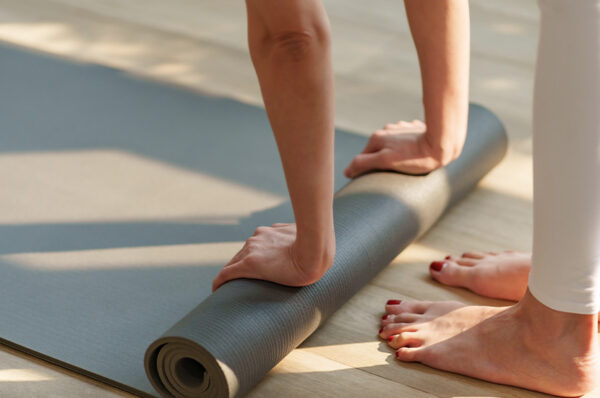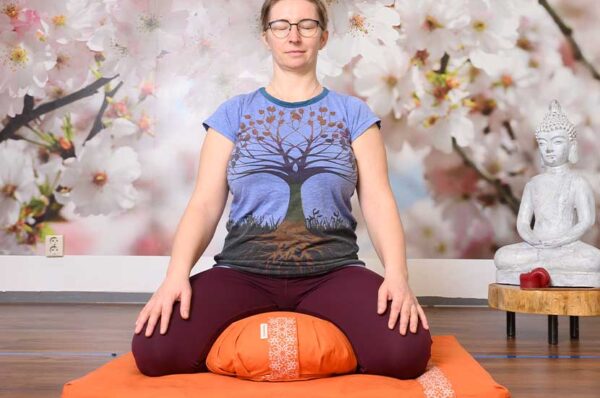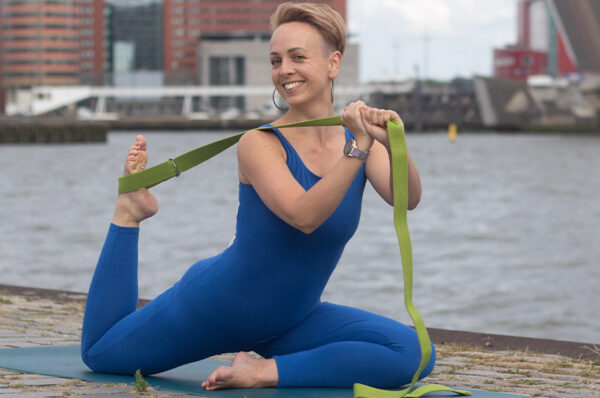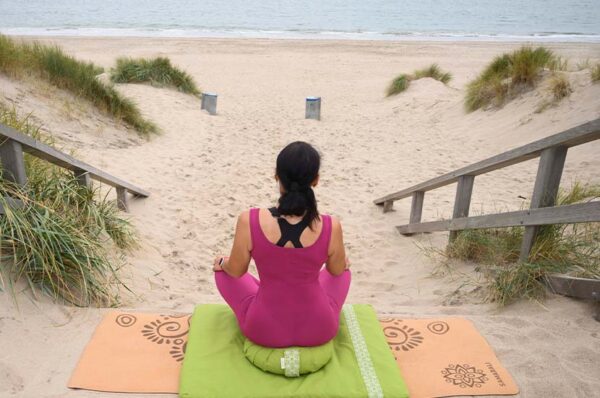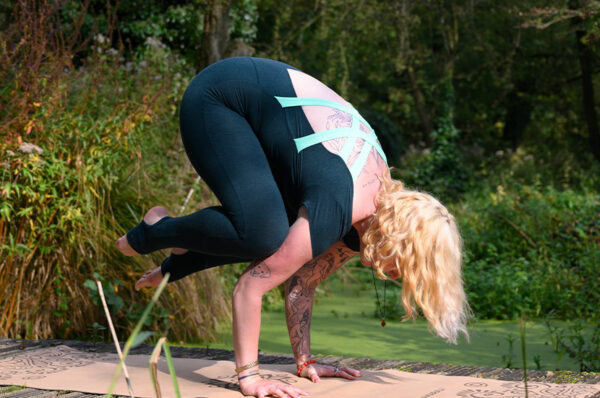



Work stress management through wellness practices involves combining mindfulness techniques, physical movement, and breathing exercises to reduce tension and improve mental clarity. The most effective approach includes regular yoga practice, meditation sessions, and sustainable daily routines that fit into busy work schedules. These practices work together to address both physical stress symptoms and mental overwhelm, creating comprehensive relief.
What are the most effective wellness practices for managing work stress?
The most effective wellness practices for work stress management target both physical tension and mental overwhelm through proven techniques that can be integrated into any work schedule:
- Mindfulness meditation – Trains your mind to stay present rather than getting caught up in work worries, with even five minutes of focused breathing resetting your nervous system
- Gentle yoga movements – Releases muscle tension that builds during stressful work periods while boosting circulation and improving mental clarity
- Structured breathing techniques – Provides immediate stress relief through practices like the 4-7-8 breath method, which activates your body’s natural relaxation response
- Progressive muscle relaxation – Systematically releases tension throughout your body, helping you identify and address physical stress before it becomes overwhelming
- Mindful walking – Combines gentle movement with present-moment awareness, perfect for transitioning between stressful meetings or tasks
These practices create a comprehensive toolkit for stress management because they address the interconnected nature of physical and mental stress. When combined regularly, they build your resilience over time while providing immediate relief during challenging work situations. The key is choosing techniques that feel natural to you and can be practiced consistently, even during your busiest periods.
How can you create a sustainable daily wellness routine while working full-time?
Sustainable wellness routines for full-time workers focus on micro-practices that integrate seamlessly into existing schedules without adding pressure to your day:
- Morning micro-sessions – Start with 5-10 minute breathing exercises or gentle stretches before work to set a calm, focused tone for your day
- Hourly reset breaks – Set gentle reminders for simple desk stretches, shoulder rolls, or three deep breaths to prevent stress accumulation
- Transition rituals – Create brief practices between work tasks, such as mindful breathing or desk-based yoga poses, to maintain mental clarity
- Lunch break movement – Use part of your lunch period for a mindful walk, gentle stretching, or brief meditation to recharge for the afternoon
- Evening wind-down practices – Establish simple routines like gratitude reflection or calming stretches to signal the end of your workday
The foundation of sustainable wellness lies in consistency over intensity. These micro-practices work because they don’t require special equipment, extensive time commitments, or perfect conditions. By starting small and building gradually, you create lasting habits that support your wellbeing even during demanding work periods, ultimately improving both your stress resilience and overall job performance.
Why does combining yoga and meditation work better for stress relief than single approaches?
Combining yoga and meditation creates comprehensive stress management because these practices address different aspects of stress while amplifying each other’s benefits:
- Physical tension release – Yoga movements target tight shoulders, tense jaw muscles, and shallow breathing patterns that accumulate during stressful work periods
- Mental clarity enhancement – Meditation teaches you to observe racing thoughts and worry loops without getting caught up in them, creating mental space and calm
- Nervous system regulation – The combination activates your parasympathetic nervous system more effectively, shifting you from fight-or-flight into rest-and-digest mode
- Body-mind integration – Physical relaxation from yoga makes meditation easier to achieve, while mental stillness from meditation enhances body awareness during yoga
- Stress recognition improvement – Together, these practices help you identify stress signals earlier and respond more skillfully before overwhelm sets in
This integrated approach creates a positive feedback loop where each practice enhances the other’s effectiveness. When your body releases physical tension through yoga, your mind naturally settles more easily into meditation. Conversely, the mental clarity from meditation helps you move through yoga poses with greater awareness and intention. This synergy builds comprehensive resilience that makes you more adaptable to workplace challenges and better equipped to maintain balance during demanding periods.
Creating an effective work stress management approach requires patience and consistency rather than perfection. The wellness practices outlined here work best when adapted to your specific needs and schedule. Remember that small, regular efforts often produce better results than sporadic intensive sessions. At Samarali, we support your wellness journey with sustainable, organic cotton yoga blanket and other accessories with plastic-free packaging that reflects our commitment to both personal and planetary wellbeing.
Browse our selection of thoughtfully crafted collection of sustainable yoga essentials—designed for mindful movement and made with respect for the planet.