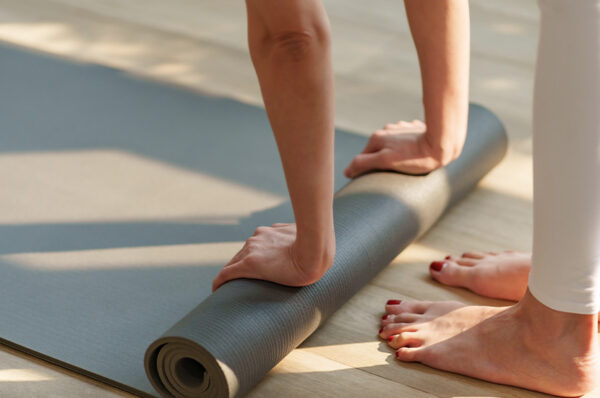



A quality yoga mat should last 1–3 years with regular practice, though this varies significantly based on material quality, usage frequency, and care practices. Basic PVC mats may need replacing after 6–12 months of daily use, while premium natural rubber or sustainable yoga mats can last 5–10 years with proper maintenance. Understanding the signs of wear and implementing proper care extends your mat’s lifespan considerably.
How long should a quality yoga mat actually last?
A well-made yoga mat typically lasts 1–3 years with regular practice sessions. However, the lifespan varies dramatically depending on several key factors:
- Material quality: Budget PVC mats from discount retailers often show wear after 6–12 months of regular use due to lower-grade materials that break down quickly under pressure and moisture
- Mid-range options: Quality PVC or TPE mats usually last 1–2 years with consistent practice, offering better resilience than budget alternatives
- Premium materials: Natural rubber mats can last 3–5 years or longer, maintaining their grip and cushioning properties better over time
- Practice frequency: Daily practitioners will naturally wear through mats faster than those who practice 2–3 times weekly
- Yoga style intensity: Hot yoga and intensive styles accelerate wear due to increased moisture and friction
Sustainable yoga mats made from organic materials often offer similar longevity to premium rubber mats while supporting environmental responsibility. The investment in higher-quality materials typically pays off through extended use, making them more cost-effective over time despite the higher upfront cost.
What are the clear signs your yoga mat needs replacing?
Recognizing when to replace your mat is crucial for maintaining safe and hygienic practice. Watch for these key indicators:
- Loss of grip and traction: When your hands and feet start slipping during poses you previously held easily, creating safety concerns in standing poses and inversions
- Permanent indentations: Deep impressions where your hands and feet are regularly placed that don’t bounce back
- Surface deterioration: Smooth, shiny areas where the texture has worn away, affecting grip quality
- Material breakdown: Thinning spots, cracking, peeling, or flaking material that compromises structural integrity
- Persistent odours: Smells that remain after thorough cleaning, indicating bacterial growth within the mat material
- Permanent discolouration: Stains that won’t clean away, often accompanied by hygiene concerns
These warning signs indicate that your mat has deteriorated beyond effective use and may pose safety or health risks. When cleaning no longer removes odours or restores grip, replacement becomes necessary to maintain the quality and safety of your practice.
How can you make your yoga mat last longer?
Extending your mat’s lifespan requires consistent care and mindful usage practices. Here are the most effective strategies:
- Regular cleaning: Clean your mat after each practice using gentle solutions of water with mild soap or specialized mat cleaner, avoiding harsh chemicals that break down materials
- Proper drying: Allow complete air drying before rolling to prevent bacterial growth and material degradation
- Smart storage: Store unrolled in clean, dry spaces when possible, or alternate rolling direction weekly if space is limited
- Environmental protection: Keep away from extreme temperatures, direct sunlight, and sharp objects that can cause damage
- Mat rotation: Use two mats alternately if you practice daily, allowing each time to fully dry and recover between sessions
- Protective measures: Place towels over your mat during sweaty practices and use quality yoga mat bags for transport protection
These maintenance practices work together to preserve your mat’s structural integrity, hygiene, and performance characteristics. Consistent care prevents the accelerated wear that leads to premature replacement, ultimately saving money while ensuring your mat supports safe, comfortable practice throughout its extended lifespan.
What makes some yoga mats more durable than others?
Understanding the factors that contribute to mat durability helps you make informed purchasing decisions. Key elements include:
- Material composition: Natural rubber offers excellent resilience and maintains properties longer than synthetic alternatives, resisting compression while providing consistent grip
- Manufacturing quality: Premium mats use superior adhesion processes that prevent delamination and surface separation, while cheaper mats often fail at connection points first
- Sustainable materials: Organic yoga mats combining natural rubber bases with cotton or jute surfaces provide longevity while supporting eco-conscious practices
- Construction density: Closed-cell construction prevents moisture absorption and bacterial growth, maintaining structural integrity longer than open-cell alternatives
- Optimal thickness: 4–5mm mats balance cushioning with stability, while 6mm+ mats may compress over time and 3mm options offer firm, long-lasting support
These durability factors work synergistically to create mats that maintain their performance characteristics throughout extended use. Quality construction and materials provide better value through consistent grip, cushioning, and hygiene over years rather than months. At Samarali, we create sustainable yoga mats using organic materials and plastic-free packaging, designed to support both your practice and environmental responsibility for years to come.
Browse our selection of thoughtfully crafted collection of sustainable yoga essentials—designed for mindful movement and made with respect for the planet.