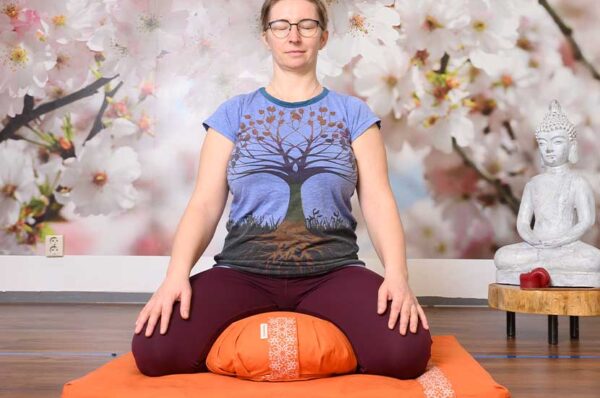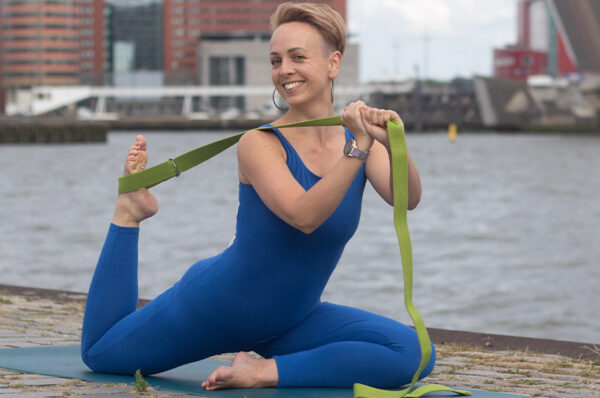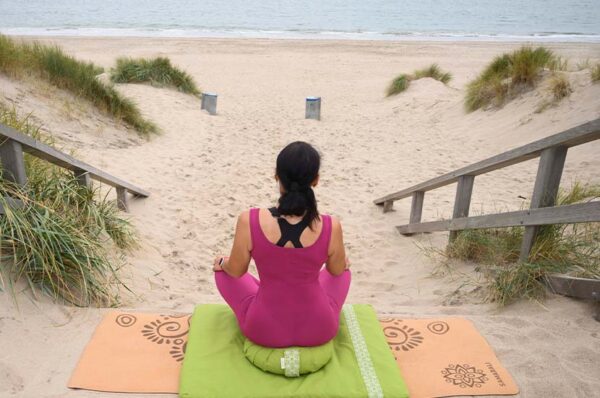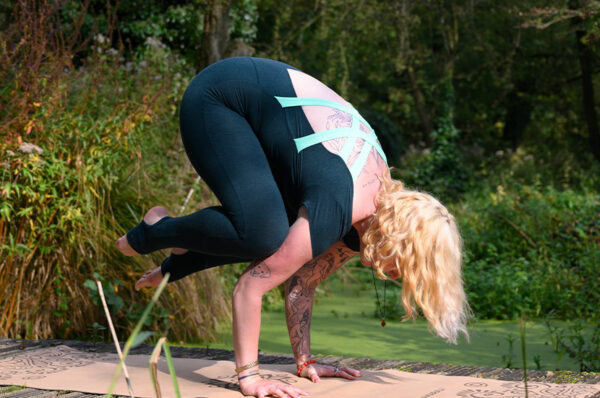



Trauma-informed yoga creates a safe, supportive environment that acknowledges how trauma affects the body and mind. Unlike regular yoga classes, it emphasises choice, empowerment, and personal agency while avoiding potentially triggering adjustments or poses. This approach helps trauma survivors reconnect with their bodies through gentle, mindful movement that prioritises emotional safety alongside physical practice.
What exactly is trauma-informed yoga and how does it work?
Trauma-informed yoga is a therapeutic approach that recognises how trauma impacts the nervous system and creates a framework for healing-centred movement. This practice operates on five essential principles that create a foundation for safe healing:
- Safety – Creating physically and emotionally secure environments where participants feel protected from harm or re-traumatisation
- Trustworthiness – Building reliable relationships through consistent, transparent communication and predictable class structures
- Choice – Empowering students to make decisions about their practice, from pose modifications to participation levels
- Collaboration – Fostering partnership between instructor and student rather than hierarchical authority relationships
- Empowerment – Rebuilding personal agency and confidence through self-directed movement and body awareness
These principles work together to address trauma’s impact on the nervous system by restoring the sense of control and bodily autonomy that traumatic experiences often disrupt. The approach works by giving you complete control over your experience through invitational language, present-moment awareness without judgment, and the freedom to modify or skip any element that doesn’t feel supportive.
Rather than pushing through discomfort, you learn to notice what feels safe and supportive. This mindful yoga approach helps regulate the nervous system and creates positive associations with physical movement and body awareness.
How do trauma-informed yoga classes differ from regular yoga sessions?
Trauma-informed yoga classes create distinctly different environments from traditional yoga sessions through specific modifications that prioritise safety and choice:
- Physical environment – Rooms feature clear sight lines to exits, appropriate lighting levels, and optional comfort props like blankets
- Touch policies – Physical adjustments are typically avoided entirely, with instructors maintaining respectful distance throughout practice
- Language approach – Invitational phrases like “you might try” replace directive commands, removing pressure and creating space for individual choice
- Eye contact expectations – Students often keep their eyes open during poses and meditation to maintain environmental awareness and control
- Class structure – Sessions balance predictability with flexibility, offering consistent frameworks while honouring complete freedom to modify
- Instructor role – Teachers act as facilitators rather than directors, offering suggestions while emphasising student expertise over their own bodies
These modifications create a trauma-sensitive yoga approach that transforms the traditional power dynamic between teacher and student. Instead of following prescribed sequences, participants become active partners in their healing journey, making moment-to-moment decisions about what serves their wellbeing while feeling supported rather than directed.
What makes someone a good candidate for trauma-informed yoga?
While designed for trauma survivors, trauma-informed yoga benefits anyone seeking a gentler, more mindful approach to movement and body awareness:
- Trauma survivors – People with PTSD, anxiety, depression, or past traumatic experiences who need safer alternatives to traditional yoga
- Sensitive practitioners – Those who’ve felt overwhelmed, triggered, or uncomfortable in regular classes due to unwanted adjustments or pressure
- Recovery populations – Individuals returning to movement after injury, dealing with chronic pain, or healing from eating disorders
- Mindful seekers – Anyone preferring introspective practices that emphasise self-compassion over achievement
- Highly sensitive individuals – People who naturally respond strongly to environmental stimuli and need more control over their practice conditions
This healing yoga approach welcomes all sensitivities as natural protective responses rather than limitations to overcome. Whether you’re addressing specific trauma or simply want to develop a healthier relationship with your body, trauma-informed practices offer valuable tools for anyone seeking movement that honours rather than overrides their internal wisdom.
How do you find qualified trauma-informed yoga instructors and classes?
Finding qualified trauma-informed yoga instructors requires specific research into their training background and teaching approach:
- Certification verification – Look for specific trauma-informed training credentials like Trauma-Sensitive Yoga (TSY) or Trauma-Informed Yoga Therapy, not just standard yoga teacher certifications
- Training depth assessment – Ask about training hours in trauma-informed practices and ongoing education commitments in this specialised field
- Philosophy evaluation – Qualified instructors should clearly explain their approach to consent, choice, and creating safe spaces without minimising trauma’s impact
- Location exploration – Check therapy centres, hospitals, and specialised wellness facilities rather than only traditional studios
- Online options – Consider virtual trauma-sensitive yoga sessions, which can feel safer for initial exploration from your own space
- Red flag awareness – Avoid teachers who promise specific healing outcomes, seem uncomfortable discussing trauma-informed training, or dismiss the importance of choice
Trust your instincts when evaluating any class or instructor, as your internal response often provides the most accurate assessment of whether an environment feels genuinely supportive. The right trauma-informed yoga experience should leave you feeling empowered and respected rather than pushed or directed, creating a foundation for sustainable healing through mindful movement.
Understanding these differences helps you choose the yoga approach that best supports your well-being and healing journey. Whether you’re a trauma survivor or simply seeking a more mindful practice, trauma-informed yoga offers valuable tools for reconnecting with your body safely. At Samarali, we support healing practices with sustainably made yoga mats and accessories crafted from organic cotton and packaged without plastic, to honour both your wellness journey and environmental responsibility.
Browse our selection of thoughtfully crafted collection of sustainable yoga essentials—designed for mindful movement and made with respect for the planet.