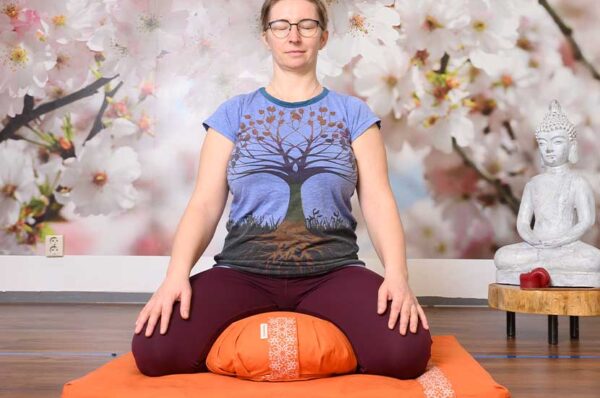



Evening meditation improves sleep patterns by activating your body’s natural relaxation response, reducing stress hormones like cortisol, and shifting your brainwaves from active beta states to calmer alpha and theta frequencies. This physiological transition signals your nervous system that it’s time to wind down, making it easier to fall asleep and achieve deeper, more restorative rest throughout the night.
What happens to your brain during evening meditation?
During evening meditation, your brain undergoes significant neurological changes that naturally prepare you for sleep:
- Nervous system activation shifts – Your parasympathetic nervous system becomes dominant, controlling rest and digest functions whilst reducing cortisol levels that maintain alertness
- Brainwave patterns transition – Activity moves from busy beta waves associated with daily tasks to slower alpha waves, then theta waves that mirror early sleep stages
- Prefrontal cortex activity decreases – The area responsible for executive thinking and worry becomes less active, reducing analytical thoughts that can prevent sleep
- Emotional regulation centers engage – Brain regions associated with relaxation and emotional balance become more active, creating ideal conditions for sleep transition
- Circadian rhythm regulation improves – Consistent evening meditation establishes routine signals that help your brain recognise bedtime approaches
These neurological changes work together to create a natural progression from wakefulness to sleep readiness. The gradual shift in brain activity, combined with reduced stress hormones and enhanced relaxation responses, transforms evening meditation into a powerful tool for improving sleep quality. This biological preparation makes the transition to restful sleep more automatic and sustainable over time.
How long should you meditate before bed for better sleep?
Five to twenty minutes of evening meditation provides optimal sleep benefits for most people. The ideal duration depends on your experience level and individual needs:
- 5-10 minutes for beginners – Short sessions activate relaxation responses without creating performance pressure, making them perfect for establishing initial habits
- 10-15 minutes for regular practitioners – This duration allows progression through different relaxation stages and works well for body scan or breathing techniques
- 15-20 minutes for experienced meditators – Longer sessions suit those with active minds needing more settling time, though exceeding 20 minutes may increase alertness
- Consistency over duration matters most – Regular shorter practices prove more beneficial than occasional longer sessions for establishing healthy sleep patterns
The most effective approach involves starting with shorter durations and gradually extending your practice as it becomes more natural. Your body’s response the following morning provides the best indicator for optimal session length, helping you find the perfect balance between adequate relaxation and maintaining sleepiness for bedtime.
Which meditation techniques work best for improving sleep quality?
Body scan meditation, breathing exercises, and progressive muscle relaxation are the most effective techniques for improving sleep quality:
- Body scan meditation – Systematically focus attention from toes upward, spending 30-60 seconds on each body part to notice and release physical tension whilst quieting mental activity
- Breathing exercises (4-7-8 technique) – Inhale for 4 counts, hold for 7, exhale for 8 counts to directly influence nervous system relaxation and naturally slow heart rate
- Progressive muscle relaxation – Tense muscle groups for 5 seconds then release, moving systematically through your body to combine physical and mental relaxation
- Present-moment mindfulness – Focus on breath, sounds, or bodily sensations to anchor attention in the present rather than racing toward future worries or daily events
These techniques specifically target the physical tension and mental activity that commonly interfere with natural sleep onset. By combining systematic relaxation methods with mindful awareness, they create comprehensive preparation for restful sleep. Regular practice with any of these approaches helps establish healthy sleep patterns naturally, making the transition from wakefulness to rest more effortless and reliable.
Creating a consistent evening meditation routine with these techniques helps establish healthy sleep patterns naturally. Using a comfortable meditation mat can enhance your practice by providing dedicated space for relaxation. We believe in supporting your wellness journey with sustainable practices, which is why all our meditation cushions are crafted from organic cotton without plastic packaging, reflecting our commitment to both your wellbeing and environmental responsibility.
Browse our selection of thoughtfully crafted collection of sustainable yoga essentials—designed for mindful movement and made with respect for the planet.