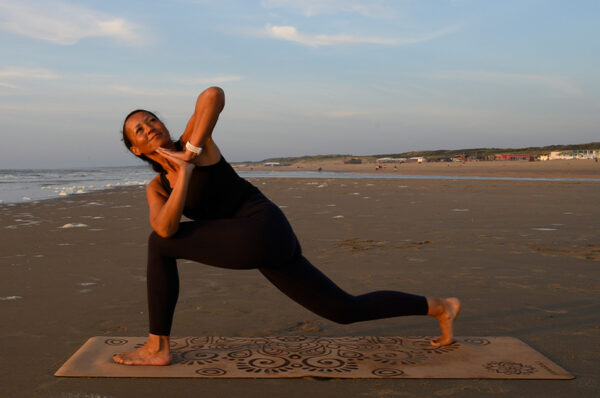



Starting a daily meditation practice involves setting aside just 5-10 minutes each day to focus your attention through simple techniques like breath awareness or guided meditation. The key to how to start meditating daily successfully is consistency rather than duration, building a sustainable daily meditation routine that fits your lifestyle and reduces stress. Begin with short sessions, choose a regular time that works with your schedule, and gradually develop your meditation practice as it becomes a natural part of your day.
What exactly is meditation and why should you start a daily meditation practice?
Meditation is the practice of training your attention to achieve a mentally clear and emotionally calm state. It involves focusing your mind on a particular object, thought, or activity to develop awareness and reach a peaceful mental condition.
A consistent daily meditation practice offers significant, research-backed benefits for your mental and physical wellbeing. Beginners who commit to even short daily sessions report reduced stress and anxiety, better sleep quality, improved focus and concentration, lower blood pressure, and a stronger sense of emotional balance over time:
- Stress reduction: Regular meditation reduces stress by lowering cortisol levels and activating your body’s relaxation response
- Improved focus: Meditation strengthens your ability to maintain attention on chosen tasks
- Better mood regulation: Enhanced emotional stability and reduced anxiety
- Increased self-awareness: Greater understanding of your thoughts and reactions
- Enhanced emotional resilience: Responding to challenging situations with greater calm and clarity
Common misconceptions about how to start a meditation routine include believing you need perfect silence, thinking meditation requires emptying your mind completely, assuming you must sit in lotus position, or expecting immediate life changing results after just a few sessions. In reality, the best way to meditate as a beginner is to simply show up, observe your thoughts without judgment, and return your focus gently whenever your mind wanders. Wandering thoughts are not a sign of failure but a natural part of the process:
- Emptying your mind completely: Actually, it’s about observing your thoughts without judgment and gently returning attention to your chosen focus point when your mind wanders. This natural wandering is part of the process, not a failure.
- Needing hours of practice: Research shows that even brief daily sessions can produce positive changes in stress levels and emotional wellbeing within weeks of starting.
How long should you meditate when learning how to start a daily meditation practice?
Begin with 5-10 minute sessions when starting your meditation practice. This duration feels manageable for beginners learning how to practice meditation daily and helps you build consistency without feeling overwhelmed or creating unrealistic expectations about your available time.
Here is a practical progression timeline to guide beginners building a daily meditation routine from their very first session through the first three months of practice:
- Week 1-3: 5-10 minutes daily to establish the habit
- Week 4-6: Gradually increase by 2-3 minutes if comfortable
- After 2-3 months: Most beginners find their sweet spot at 10-20 minutes
Focus on establishing the habit rather than achieving a specific time goal. It is better to meditate for 5 minutes every day than for 30 minutes once a week. Consistency is what creates the neural pathways that make your daily meditation practice feel natural, rewarding, and progressively easier to maintain.
Pay attention to your experience during these short sessions. Some days 5 minutes might feel long, whilst others pass quickly. This variation is normal and helps you understand your mental patterns without judgment.
What are the best meditation techniques for complete beginners starting a daily practice?
Breath awareness meditation is the most accessible technique for beginners learning how to meditate daily. Sit comfortably, close your eyes, and bring your full attention to the natural rhythm of your breath as it enters and leaves your body. When your mind wanders, gently guide your focus back to the breath without frustration. Here is how to practice this foundational method that forms the core of most daily meditation routines:
- Find a quiet spot and sit with your back straight but relaxed
- Place one hand on your chest and one on your belly
- Notice which hand moves more as you breathe naturally
- Focus on the physical sensation of air entering and leaving your nostrils
- When your mind wanders, gently return attention to breathing without criticising yourself
Body scan meditation offers another gentle and highly effective entry point for those starting a daily meditation practice. This technique involves slowly moving your attention from the top of your head down through each part of your body, noticing sensations without trying to change them. It is particularly useful for beginners who carry physical tension from stress, as it builds the mind-body awareness that supports a lasting daily meditation routine:
- Start at the top of your head
- Slowly move your attention down through your body
- Notice any sensations, tension, or relaxation in each area
- This technique helps develop body awareness whilst keeping your mind occupied with a clear task
Guided meditation provides excellent support for beginners who find it difficult to maintain focus independently when learning how to start a meditation routine. An audio guide leads you through the session with clear instructions and gentle reminders to return your attention when your mind drifts. For those starting out, body scan guides, loving-kindness sessions, and breath-focused recordings are the most beginner-friendly formats to explore. Look for guides with a calm, unhurried pace and sessions between 5 and 15 minutes. Many free apps and online platforms offer quality guided sessions specifically designed for building a consistent daily meditation practice, making this one of the easiest ways to get started without any prior experience.
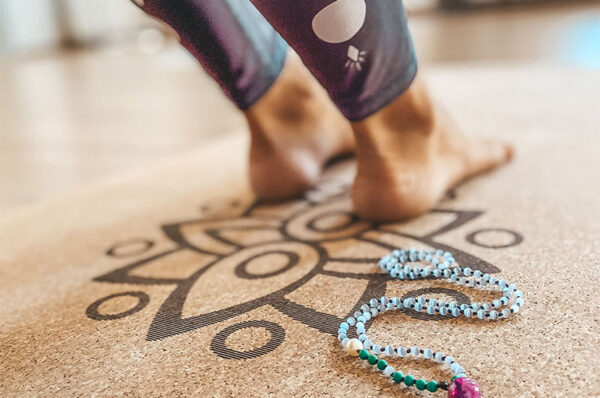
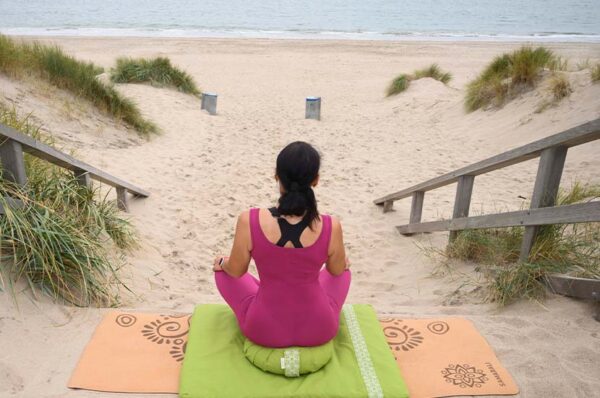
You don’t need special equipment or positions for these techniques. A comfortable chair works as well as sitting on the floor. However, having a dedicated meditation mat can help create a special space that signals to your mind that it’s time for practice. The most important element is maintaining an alert but relaxed posture that you can hold comfortably for your chosen duration.
How do you maintain a daily meditation routine when life gets busy?
Link your meditation practice to an existing daily habit through habit stacking when learning how to start meditating daily. This strategy involves pairing your new practice with something you already do automatically, such as brewing your morning coffee, brushing your teeth, or sitting down after lunch, so that one action reliably triggers the other. Choose from these proven anchor options that make building a daily meditation routine feel automatic rather than effortful:
- Immediately after brushing your teeth
- Before your morning coffee
- Right after arriving at work
- Before checking your phone in the morning
This connection makes your new practice feel automatic and reduces the mental effort required to remember and motivate yourself each day, which is one of the most reliable ways to build a lasting daily meditation habit.
Additional strategies for maintaining consistency in your daily meditation practice include setting a gentle phone reminder at your chosen practice time, keeping a simple log of completed sessions to build a visual streak, starting over without self-criticism when you miss a day, and adjusting your session length downward on difficult days rather than skipping entirely. Even two or three mindful breaths counts as showing up for your practice:
- Choose optimal timing: Experiment with morning sessions for a positive daily tone or evening sessions to process the day’s experiences
- Create a dedicated space: Use a specific chair or corner of a room to reduce decision fatigue and signal practice time
- Adapt to busy schedules: Even 2-3 minutes of focused breathing maintains your routine on hectic days
- Prepare for obstacles: Set gentle phone reminders, lay out comfortable clothes, or download offline meditation apps for travel
- Track your progress: Mark successful days on a calendar for visual motivation and pattern identification
Remember that missing one day does not ruin your progress, but returning to your practice the next day is what builds lasting momentum. Every session, however short, reinforces your daily meditation routine and moves you closer to the calm, focused mindset that consistent practice makes possible.
Starting a daily meditation practice transforms your relationship with stress and builds lasting mental clarity through consistent, gentle sessions that require just 5 to 10 minutes per day. The techniques and strategies covered in this guide give complete beginners a practical foundation for how to start a meditation routine that fits naturally into a busy schedule, with many practitioners noticing improvements in focus and stress levels within the first two weeks of regular practice. As you continue your journey, remember that each moment of mindful awareness compounds over time, with deeper benefits such as emotional regulation and improved sleep becoming more pronounced at the one to three month mark. At Samarali, we are committed to supporting your daily meditation practice with mindful tools and sustainable essentials that help you build a routine nurturing both personal wellbeing and a healthier world.
Browse our selection of thoughtfully crafted collection of sustainable yoga essentials—designed for mindful movement and made with respect for the planet.