


Starting a daily meditation practice involves setting aside just 5-10 minutes each day to focus your attention, usually through breathing techniques or mindfulness exercises. The key is consistency rather than duration – even brief sessions build the mental habits that create lasting benefits. This guide addresses common questions about beginning and maintaining a sustainable meditation routine.
What is meditation and why should you start a daily meditation practice?
Meditation is the practice of training your attention to achieve mental clarity and emotional calm. It involves focusing on a single point of reference, such as your breath, bodily sensations, or present-moment awareness, to develop greater mindfulness and inner peace.
The core principles of meditation centre around non-judgmental awareness and accepting whatever arises in your mind without trying to change it. Rather than emptying your thoughts completely, you learn to observe them with detachment, creating space between yourself and your mental chatter.
Regular daily meditation practice offers significant benefits that make it particularly valuable for busy professionals, parents, and anyone seeking better stress management:
- Stress reduction: Lowers cortisol levels and activates your body’s relaxation response, helping you manage daily pressures more effectively
- Improved focus: Strengthens your ability to concentrate on tasks without getting distracted by mental chatter or external interruptions
- Enhanced emotional regulation: Builds resilience against anxiety and reactive emotions by creating space between triggers and responses
- Better sleep quality: Calms an overactive mind and helps establish healthy sleep patterns through relaxation techniques
- Physical health benefits: Reduces blood pressure, boosts immune function, and decreases inflammation markers in the body
These meditation benefits work together to create a more balanced approach to daily life. Rather than simply adding another task to your schedule, a consistent daily meditation practice actually enhances your capacity to handle work stress, family responsibilities, and decision-making with greater ease and clarity. The mental space you cultivate during practice extends into your workday, relationships, and parenting moments, making you more effective overall while feeling less overwhelmed by competing priorities.
How do you actually start meditating when you’re a complete beginner?
Begin your daily meditation practice with just 5 minutes daily, sitting comfortably with your back straight and eyes closed. Focus on your natural breathing rhythm, counting each exhale from one to ten, then starting over. When your mind wanders, gently return attention to your breath without self-criticism. This simple approach to how to meditate daily builds the foundation for lasting mindfulness habits.
To set yourself up for success when learning how to start a daily meditation practice, follow these essential preparation steps:
- Choose your timing: Select the same time each day, preferably morning when your mind is naturally calmer and less cluttered with daily concerns
- Create your space: Find a quiet location where you won’t be interrupted, even if it’s just a corner of your bedroom with minimal distractions
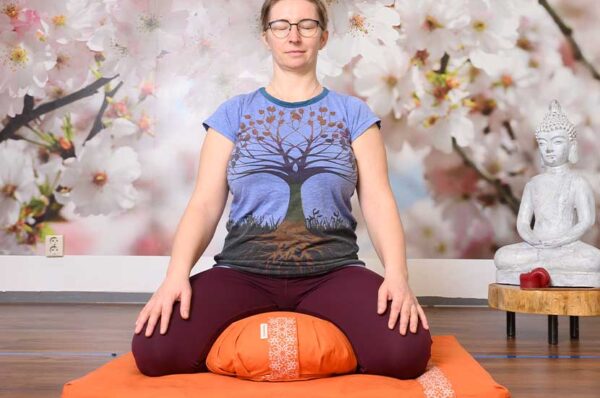
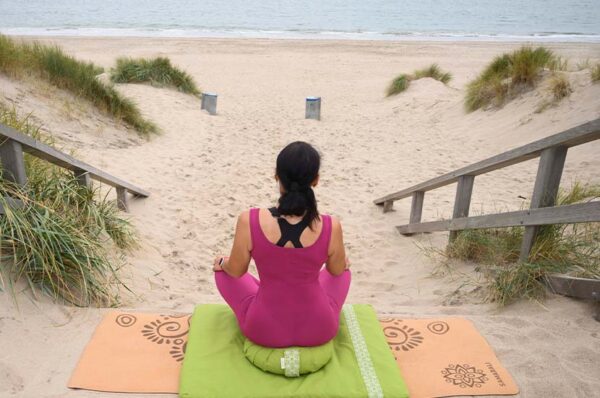
- Get comfortable: Sit in a chair with feet flat on the floor or cross-legged on a meditation cushion, keeping your spine naturally upright without strain
- Set boundaries: Turn off notifications and let family members know you need a few minutes of uninterrupted time
Proper preparation eliminates common obstacles and helps establish meditation as a non-negotiable part of your routine. When you remove decisions about when and where to practice, you’re more likely to maintain consistency during the crucial habit-forming period.
Start with this simple breathing technique for beginners learning how to meditate: breathe naturally through your nose, placing one hand on your chest and one on your belly. Focus on the hand that moves more with each breath. This gives your mind something concrete to anchor attention when thoughts arise, making it easier to develop your daily meditation practice.
Set realistic expectations by following this beginner-friendly approach to starting your meditation practice:
- Start small: Commit to just five minutes for the first week, using a timer so you’re not wondering about duration
- Adjust as needed: If five minutes feels overwhelming initially, begin with three minutes and gradually increase
- Focus on showing up: Success means sitting quietly and turning attention inward, not achieving any particular mental state
- Use guidance initially: Consider meditation apps or recordings to help you learn different techniques, but also practice sitting in silence
Remember that building the habit matters more than perfect execution. Each time you sit down to meditate, you’re strengthening neural pathways that support mindfulness throughout your day, regardless of how “successful” any individual session feels.
What are the biggest challenges people face when starting a meditation practice?
New meditators commonly encounter several predictable obstacles that can derail their practice if not properly understood:
- Racing thoughts: Believing that a busy mind means you’re “bad at meditation” when mental activity is completely normal and expected
- Time scarcity: Feeling too busy to meditate, often when the stress of busyness indicates meditation would be most beneficial
- Perfectionist expectations: Judging sessions as failures when you don’t achieve immediate calm or transcendent experiences
- Physical discomfort: Struggling with sitting still or finding a comfortable position that maintains alertness without strain
- Inconsistent practice: Missing days and then feeling guilty, which creates negative associations with meditation itself
These challenges are universal experiences rather than personal shortcomings. Understanding this normalizes the learning process and prevents you from abandoning practice during the initial adjustment period when habits are most fragile.
Restless thoughts are completely normal and not a sign you’re meditating incorrectly. Your mind’s job is to think – meditation teaches you to observe thoughts without getting carried away by them. When you notice your attention has wandered, simply return focus to your breath. This returning process is the meditation, not a failure.
To overcome these common obstacles when learning how to start a daily meditation practice:
- Reframe “wandering mind”: Each time you notice distraction and return to your breath, celebrate it as a moment of awakening rather than failure
- Schedule strategically: Treat meditation like any important appointment, recognizing that claiming you lack five minutes often indicates you need it most
- Release outcome attachment: Judge success by showing up consistently rather than by how calm or focused you feel during any single session
- Adjust physically: Experiment with chairs, cushions, or wall support to find sustainable comfort without sacrificing alertness
Working skillfully with these challenges transforms them from roadblocks into opportunities for deeper understanding. The patience and self-compassion you develop while navigating meditation difficulties naturally extends into other areas of life, creating benefits beyond formal practice time.
How long should you meditate each day to see real benefits?
Beginners can experience noticeable benefits from just 5-10 minutes of daily practice within 2-3 weeks. Research shows that even brief sessions begin changing brain patterns associated with stress and attention. Start small and gradually increase duration as the habit strengthens.
Benefits typically unfold in predictable stages as your daily meditation practice develops:
- First week: Subtle improvements in sleep quality and slightly reduced reactivity to minor daily annoyances
- 2-4 weeks: Enhanced ability to pause before reacting emotionally and increased awareness of habitual thought patterns
- 1-3 months: Noticeable improvements in focus, emotional balance, and overall stress resilience during challenging situations
- 3+ months: Deeper sense of inner calm, improved relationships, and greater life satisfaction as mindfulness integrates into daily activities
These progressive benefits compound over time, creating positive feedback loops that make continued practice increasingly rewarding. Early improvements provide motivation to maintain consistency during periods when progress feels less obvious.
A realistic progression schedule for how to start a daily meditation practice might look like this:
- Week 1-2: 5 minutes daily to establish the routine without overwhelming your schedule
- Week 3-4: 7-8 minutes daily as sitting becomes more comfortable and natural
- Month 2-3: Gradually increase to 10-15 minutes based on your available time and interest level
- Advanced practice: Some practitioners eventually enjoy 20-30 minute sessions, though this isn’t necessary for significant life improvements
The key is daily consistency rather than lengthy sessions. Ten minutes every day creates more lasting neurological changes than hour-long sessions once weekly. Your brain responds to regular repetition, building new neural pathways that support greater mindfulness throughout daily activities.
Quality matters more than quantity when learning how to meditate effectively. A focused five-minute session where you consistently return attention to your breath provides more benefit than twenty distracted minutes where you’re planning your day. Pay attention to your natural rhythms – some people thrive with longer sits, while others do better with shorter, more frequent sessions.
Track your meditation practice simply by noting daily completion rather than rating session quality. This builds positive momentum and helps you notice patterns about when and how you meditate most effectively. Consider using a simple journal or smartphone app to maintain accountability and celebrate consistency milestones as you develop your daily routine.
Starting a daily meditation practice doesn’t require perfect conditions or extensive time commitments. The techniques covered here provide a practical foundation for building sustainable mindfulness habits that fit into busy lifestyles. Remember that meditation is a practice, not a performance – each time you sit quietly and turn attention inward, you’re developing valuable skills for navigating life with greater clarity and calm. At Samarali, we understand that true wellness comes from consistent, mindful practices that honour both your personal growth and the time you have available each day.
Browse our selection of thoughtfully crafted collection of sustainable yoga essentials—designed for mindful movement and made with respect for the planet.