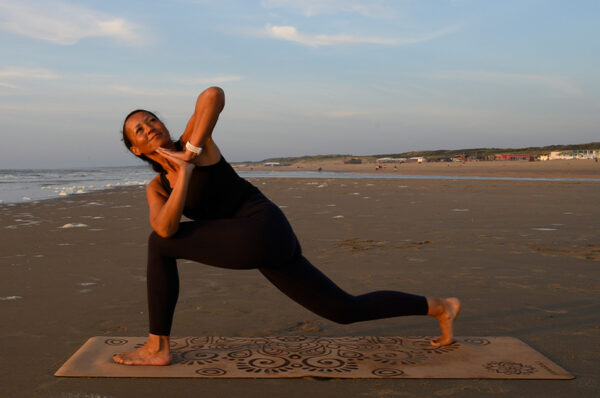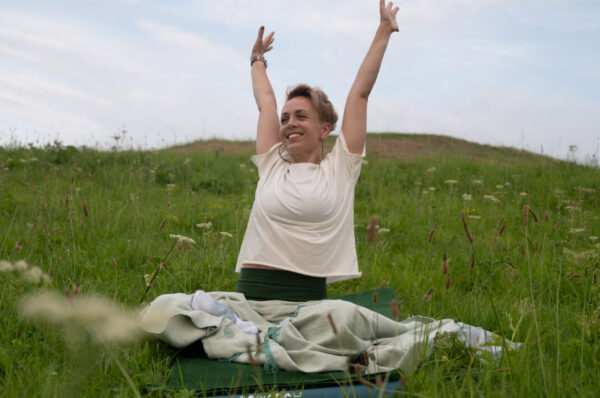



A balanced home yoga practice follows a structured sequence that takes your body through warming up, building strength and flexibility, then cooling down and relaxing. This progression helps prevent injury while maximising the physical and mental benefits of your practice. The key elements include centring yourself, warming up gradually, working through standing and seated poses, then ending with relaxation.
What makes a yoga sequence balanced and effective?
A balanced yoga sequence incorporates several essential components that work together to create both physical stability and mental calm:
- Warm-up movements – Gentle exercises like cat-cow stretches and sun salutations that gradually increase your heart rate and prepare your joints for deeper poses
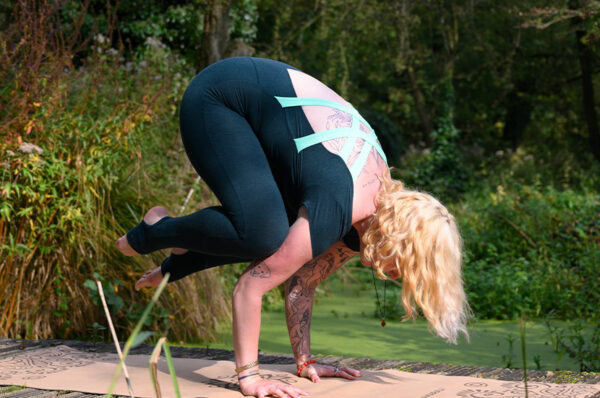
- Peak poses – The most challenging postures in your sequence, such as deep backbends or arm balances, performed when your body is fully prepared
- Counter-poses – Neutralising postures that immediately follow peak poses to restore balance to your spine and nervous system
- Proper cool-down – Gentler movements that gradually bring your heart rate down and transition your body toward rest
This structured approach ensures your body is methodically prepared for each phase of practice whilst maintaining safety throughout. The warm-up creates physical readiness and breath awareness, peak poses challenge your capabilities at the optimal moment, counter-poses prevent strain and imbalance, and the cool-down allows your body to integrate the benefits whilst settling into relaxation. Using quality yoga mats during this sequence provides the stable foundation you need for safe transitions between poses.
How do you structure a complete home yoga session from start to finish?
A complete home yoga session follows this time-tested structure that can be adapted to your schedule:
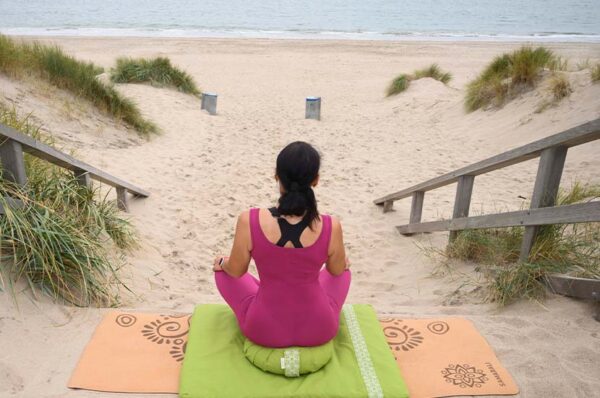
- 5 minutes centring and breathwork – Sitting quietly to transition from daily activities into your practice space and set a clear intention
- 10–15 minutes warm-up – Gentle spinal movements and flowing sequences like sun salutations to build heat and establish breathing rhythm
- 15–20 minutes standing poses – Foundation-building postures like warrior sequences and triangle pose that develop strength, balance, and focus
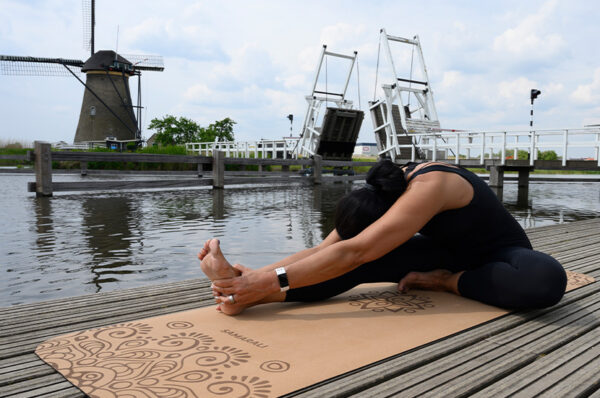
- 10–15 minutes seated poses and backbends – Deeper stretches including hip openers, twists, and heart-opening poses performed when your body is fully warmed
- 5–10 minutes inversions or restorative poses – Calming postures like legs-up-the-wall that begin the transition toward rest
- 5–10 minutes final relaxation – Complete stillness allowing your nervous system to settle and your body to absorb the practice benefits
This 50–75 minute framework creates a complete journey from activation to restoration, ensuring each phase builds naturally upon the previous one. The progression allows your body to warm up safely, work at peak capacity when ready, then cool down methodically. Always follow intense backbends with gentle forward folds as counter-poses, and hold standing poses for 5–8 breaths before transitioning smoothly to maintain flow and focus throughout your session.
What should beginners know before starting their home yoga practice?
Starting a home yoga practice requires thoughtful preparation and realistic expectations about your learning journey:
- Essential setup requirements – A quiet, uninterrupted space with room to extend your limbs, plus a non-slip yoga mat for safety and stability
- Gradual skill development – Beginning with 20–30 minute sessions focused on fundamental poses like mountain pose, downward dog, and child’s pose
- Body awareness and modification – Learning to distinguish between healthy challenge and harmful strain, always backing off from sharp pain
- Consistent practice building – Starting with 2–3 sessions weekly and slowly increasing duration as your body adapts to the movements
- Personal journey mindset – Understanding that yoga is individual progress, not comparison with others or pursuit of perfect-looking poses
These foundational elements create the framework for a sustainable and enjoyable practice that grows with you over time. Focus on proper alignment and breathing patterns rather than achieving advanced postures immediately, as your flexibility and strength will develop naturally through consistency. Props like blocks or straps can make poses more accessible, though they’re not essential for beginning. Most importantly, maintain realistic expectations and patience with yourself – yoga’s benefits extend far beyond physical fitness to include greater body awareness, stress management skills, and deeper self-connection.
Creating a sustainable home yoga practice takes time and patience, but the rewards extend far beyond physical fitness. You’ll develop greater body awareness, stress management skills, and a deeper connection to your inner wisdom. Consider exploring complete yoga sets that provide everything you need for a well-rounded practice, or complement your physical practice with meditation to deepen your mindfulness journey. At Samarali, we support your mindful movement journey with thoughtfully designed yoga accessories made from organic cotton, packaged without plastic to honour both your practice and our planet’s well-being.
Browse our selection of thoughtfully crafted collection of sustainable yoga essentials—designed for mindful movement and made with respect for the planet.