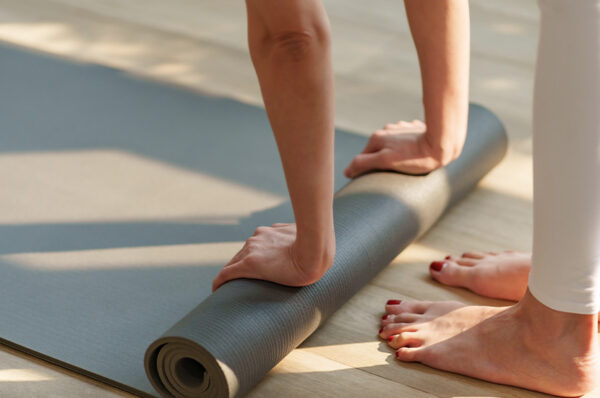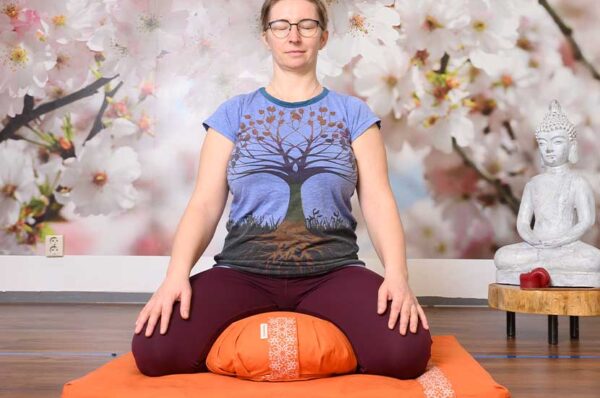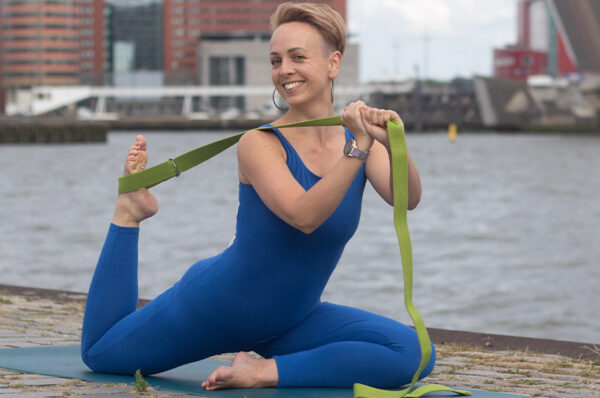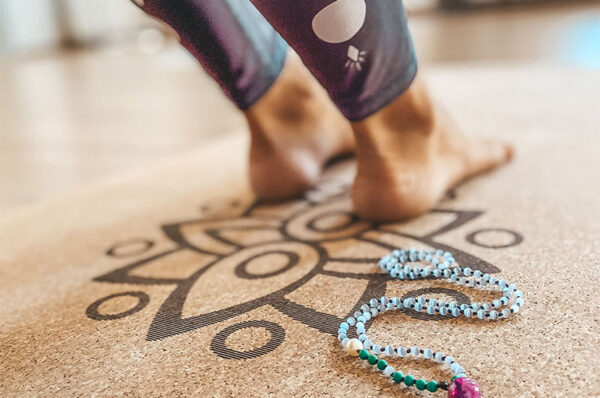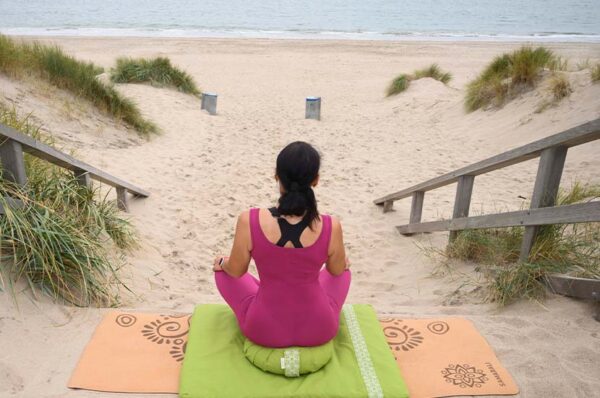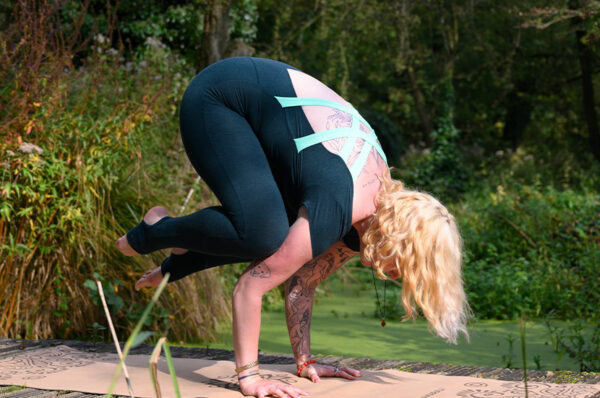



Mindful movement practice involves bringing conscious awareness to your physical activity, focusing on present-moment sensations rather than just going through the motions. Unlike traditional exercise, which often emphasizes performance metrics or outcomes, mindful movement prioritizes the connection between your mind and body during each movement. This approach transforms any physical activity into movement meditation, helping you develop deeper body awareness while reducing stress and enhancing overall well-being.
What exactly is mindful movement and how is it different from regular exercise?
Mindful movement is the practice of bringing conscious awareness to physical motion, emphasizing present-moment attention rather than autopilot exercise routines. The fundamental differences between mindful movement and regular exercise include:
- Mental focus approach: Regular exercise often involves distractions like watching television or listening to podcasts, while mindful movement requires complete present-moment attention to your body’s sensations
- Goal orientation: Traditional exercise focuses on burning calories, building strength, or achieving fitness metrics, whereas mindful movement prioritizes the quality of awareness you bring to each movement
- Performance metrics: Regular workouts emphasize counting repetitions and monitoring heart rate, while conscious movement practice focuses on breath connection, body alignment, and internal sensations
- Mind-body connection: Conventional exercise treats the mind and body as separate entities, but mindful movement integrates mental awareness with physical activity as a unified experience
This shift from external achievement to internal awareness transforms physical activity into a form of moving meditation. By emphasizing quality over quantity, mindful movement helps you develop better body awareness and healthier movement patterns while reducing the performance-related stress often associated with traditional exercise routines.
How do you start practicing mindful movement as a complete beginner?
Beginning your mindful movement practice requires a gradual approach that builds awareness before adding complex movements. Essential starting steps include:
- Foundation breathing practice: Spend five minutes daily focusing on your natural breath rhythm while sitting comfortably, establishing what present-moment awareness feels like before incorporating movement
- Simple breath-movement coordination: Practice standing arm raises synchronized with breathing—inhaling while lifting arms overhead, exhaling while lowering them—to connect breath awareness with basic motion
- Mindful walking exercises: Walk slowly for 10-15 steps in a quiet space, focusing on lifting, moving, and placing each foot while feeling weight shifts between legs
- Gentle stretching awareness: Transform basic movements like neck rolls or shoulder shrugs into mindful exercises by moving slowly enough to observe tension, ease, and sensation changes throughout your body
These foundational practices establish the core skill of maintaining present-moment awareness during physical activity. By starting with simple movements and gradually building your capacity for sustained attention, you create a solid foundation for more advanced mindful movement techniques while developing the body awareness necessary for deeper practice.
What are the most effective mindful movement techniques you can do anywhere?
The most practical mindful movement exercises require no equipment and integrate seamlessly into daily routines, making them accessible regardless of your location or schedule. Key portable techniques include:
- Conscious breathing patterns: The 4-4-4 breath technique (inhale for four counts, hold for four, exhale for four) can be practiced while sitting at your desk, standing in queues, or lying in bed, focusing entirely on breath sensations and ribcage movement
- Desk-based micro-movements: Simple shoulder rolls, gentle spinal twists, or ankle circles become mindful exercises when performed slowly with complete attention to before, during, and after sensations
- Everyday walking meditation: Transform routine movements like walking to the kitchen or climbing stairs into conscious movement practice by focusing on step rhythm, clothing sensations, or air movement around your body
- Adaptable yoga flows: Basic movements like cat-cow stretches, seated spinal twists, or standing forward folds work in small spaces when you prioritize sensation awareness over perfect form execution
These versatile techniques allow you to maintain a consistent mindful movement practice throughout your day, transforming ordinary activities into opportunities for stress reduction and body awareness. The key lies in bringing quality attention to simple movements rather than requiring special equipment or dedicated practice spaces.
Developing a consistent mindful movement practice doesn’t require dramatic lifestyle changes or expensive equipment. By bringing conscious awareness to simple, everyday movements, you can transform routine physical activities into opportunities for stress reduction and deeper body connection. At Samarali, we believe that mindful living extends to every aspect of your wellness journey. Our sustainable yoga and lifestyle products, crafted from organic cotton with plastic-free packaging, support your mindful movement practice while honouring our shared commitment to environmental responsibility.
Browse our selection of thoughtfully crafted collection of sustainable yoga essentials—designed for mindful movement and made with respect for the planet.