


Disposing of old yoga mats responsibly involves identifying the material composition and choosing appropriate methods like recycling programs, manufacturer take-back initiatives, or upcycling projects. Traditional yoga mats made from PVC can take centuries to decompose, making proper disposal important for environmental protection. This guide covers how to handle old mats sustainably and choose eco-friendly options for the future.
What makes yoga mat disposal an environmental concern?
Most traditional yoga mats are made from synthetic materials that create significant environmental challenges when disposed of improperly. The widespread use of problematic materials and their disposal methods contribute to several key environmental issues:
- Extremely slow decomposition rates – PVC mats can take 500–1000 years to break down in landfills, essentially becoming permanent waste
- Toxic chemical release – Plasticizers and stabilizers in synthetic mats leach harmful substances into soil and groundwater as they deteriorate
- Microplastic pollution – Mats that reach waterways break down into tiny particles that contaminate marine ecosystems and food chains
- Landfill accumulation – Non-biodegradable materials pile up without integrating back into natural cycles, consuming valuable landfill space
- Manufacturing footprint – The production of synthetic mats requires petroleum-based resources and energy-intensive processes
These environmental impacts compound over time as millions of yoga practitioners worldwide replace their mats regularly. The material composition directly determines how long these effects persist, with PVC being the most problematic, TPE requiring decades to decompose, and even natural rubber taking several years to break down completely. Understanding these challenges helps practitioners make informed decisions about both disposal and future purchases that align with yoga’s principles of mindfulness and environmental stewardship.
How can you tell if your yoga mat is recyclable?
Identifying your yoga mat’s recyclability requires examining both its material composition and available disposal options in your area. Start by checking the manufacturer’s label or product information for specific material details, recycling symbols, or material codes that indicate PVC, TPE, natural rubber, or other compositions.
Physical characteristics can also reveal material types when labels are unavailable. PVC mats typically feel smooth and slightly sticky, with a distinctive chemical smell when new, and these are rarely recyclable through standard programs. TPE mats feel softer and more rubber-like, with some recycling centres accepting them. Natural rubber mats have a distinctive earthy smell and grainy texture, making them more likely to be compostable or recyclable.
Contact your local recycling centre directly to ask about yoga mat acceptance policies. Many standard recycling programs do not handle these materials due to their size, composition, or contamination concerns, but specialised facilities sometimes offer solutions. Some manufacturers provide detailed material identification guides on their websites, helping you determine your mat’s composition and disposal options even when original packaging is unavailable.
What are the best ways to dispose of old yoga mats responsibly?
Multiple responsible disposal pathways exist depending on your mat’s condition, material, and local resources. Each option serves different environmental and community goals:
- Manufacturer take-back programs – Companies like Manduka and Jade Yoga accept their old products for proper recycling or repurposing using specialized facilities
- Donation to extend usable life – Local yoga studios, community centers, schools, or charitable organizations often welcome gently used mats for their programs
- Upcycling into household items – Transform mats into garden kneeling pads, drawer liners, car boot protection, or non-slip surfaces under pet bowls
- Specialized recycling programs – Companies like TerraCycle offer mail-in recycling for hard-to-recycle items, including certain yoga mat materials
- Sporting goods retailer programs – Some outdoor and fitness retailers partner with recycling companies to accept old equipment
- Composting for natural materials – Mats made from natural rubber, cork, or organic cotton can often be composted in industrial facilities
The key to responsible disposal lies in matching your mat’s specific characteristics with the most appropriate option available in your area. This approach maximizes environmental benefit while potentially helping others access yoga equipment or creating useful household items. Before choosing disposal, always prioritize extending the mat’s life through cleaning, repair, or donation if the material remains functional and hygienic.
How do you choose a more sustainable yoga mat for the future?
Selecting a sustainable yoga mat requires evaluating materials, manufacturing processes, and end-of-life disposal options to minimize environmental impact throughout the product’s lifecycle. Prioritize natural, biodegradable materials that offer excellent performance while supporting responsible sourcing practices.
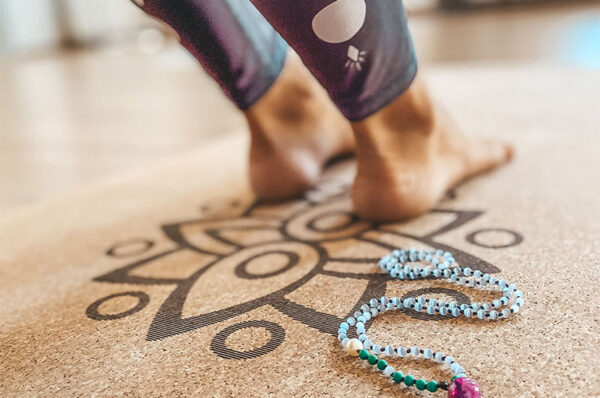
Cork mats provide natural antimicrobial properties and excellent grip, harvested from tree bark without harming the tree, making them both renewable and biodegradable. Natural rubber offers superior cushioning and durability while being completely plant-based, though those with latex allergies should choose alternatives. Organic cotton mats work well for gentler practices and are completely biodegradable, often combined with natural rubber for added grip.
Consider the mat’s entire lifecycle when making your choice, including manufacturing energy use, transportation distance, durability expectations, and disposal options. Durable materials may cost more initially but last longer, reducing replacement frequency and overall environmental impact. Look for companies that offer take-back programs, clear end-of-life disposal instructions, or transparent sustainability practices.
Performance need not be compromised for sustainability, as modern eco-friendly mats match traditional options for grip, cushioning, and durability. Read reviews from practitioners with similar needs, consider your specific practice style, and test mats when possible to ensure the sustainable option will support your practice effectively while aligning with your environmental values.
Responsible yoga mat disposal reflects the mindful principles central to yoga practice itself. By choosing appropriate disposal methods and selecting sustainable options for future purchases, you extend environmental consciousness beyond your practice space. We at Samarali understand this connection, which is why all our meditation and yoga gear uses organic cotton fabrics with completely plastic-free packaging, supporting both your practice and planetary well-being.
Browse our selection of thoughtfully crafted collection of sustainable yoga essentials—designed for mindful movement and made with respect for the planet.