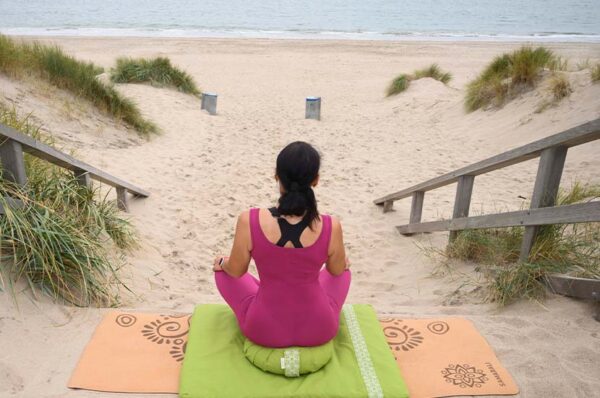



For most people, especially beginners, sitting meditation is the stronger starting position when choosing between sitting and lying meditation. It naturally balances alertness and relaxation, the two foundations of effective practice. Lying meditation is an equally valid and powerful alternative when physical discomfort, injury, fatigue, or specific techniques like body scans make sitting impractical. The key is not choosing one position forever, but understanding when each serves your body and mind best and giving yourself full permission to adapt as your needs change.
What’s the real difference between sitting and lying meditation?
The fundamental differences between sitting and lying meditation affect both your physical experience and mental state during practice. Understanding these distinctions is the first step toward choosing the position that genuinely serves your goals:
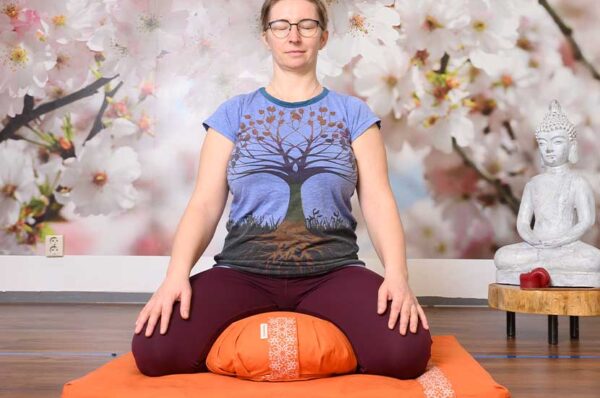
- Alertness levels: Sitting meditation maintains an upright posture that naturally promotes alertness and mental clarity, signaling to your nervous system that you’re awake and attentive
- Physical tension release: Lying meditation allows your body to fully relax and release physical tension more effectively, though it may lead to drowsiness
- Spinal alignment: Sitting engages your core muscles and maintains natural spinal curves, which can improve posture over time and helps energy flow freely through your body
- Joint pressure: Lying down eliminates pressure on joints and allows complete muscular relaxation, making it ideal when dealing with pain or extreme fatigue
- Breathing capacity: Sitting allows for deeper, more controlled breathing because your diaphragm has more space to expand, while lying may initially result in shallower breathing patterns
These physiological differences create distinct meditation experiences. Sitting meditation excels at maintaining the balanced state of relaxed awareness that many traditional practices emphasize, and many ancient traditions including yoga, Buddhism, and Taoist practices view the upright spine as essential for energy flow through the body’s channels, not merely for good posture. Lying meditation, by contrast, facilitates deeper physical relaxation and stress release, and is the intended posture for practices like Yoga Nidra and NSDR (Non-Sleep Deep Rest). Your choice should align with both your immediate physical needs and your broader meditation objectives.
Which meditation position works better for beginners?
Most beginners benefit from starting with sitting meditation because it naturally maintains alertness while building the mental discipline needed for effective practice. The upright position helps you stay present and aware, which are fundamental skills in meditation. You are less likely to fall asleep or drift into passive relaxation that lacks the focused awareness that defines genuine meditation practice. This distinction matters: relaxation slows the mind and body, while meditation cultivates intentional, present-moment awareness regardless of your position.
Comfort plays a crucial role in establishing a regular practice. If sitting causes significant discomfort or pain, you’ll likely avoid meditation altogether. Start with shorter sitting sessions and gradually increase the duration as your body adapts. Use meditation cushions, chairs, or wall support to find a sustainable position that doesn’t distract from your practice.
Consider your meditation goals when choosing a starting position. If you want to develop concentration and mental clarity, sitting provides the ideal foundation and is integral to established traditions like Zen zazen, Samatha concentration meditation, and mantra-based practices. If stress relief and relaxation are your primary objectives, lying meditation offers a more accessible entry point and opens the door to structured practices like Yoga Nidra and body scan techniques.
Many beginners find success alternating between positions based on their daily needs and how their practice evolves over time. You might sit for morning meditation when you need alertness for the day ahead, then lie down for evening sessions focused on releasing tension and preparing for sleep. As practice deepens over weeks and months, many meditators naturally gravitate toward sitting as they build the physical stamina and mental focus to sustain it comfortably. Experienced practitioners often use both positions with clear intention, sitting for concentration-based work and lying for restorative or body-centered sessions. This flexibility helps you maintain consistency while learning what works best for your body and mind.
Using sustainable yoga mats provides essential support for either position, offering cushioning that protects your joints while maintaining stability during practice.
How do you know when lying meditation might be better for you?
Several specific circumstances make lying meditation the more appropriate and intentional choice for your practice, not a fallback or compromise:
- Physical discomfort or injury: Back pain, hip tightness, or joint issues that make sitting uncomfortable are resolved by lying down, allowing you to meditate without fighting physical distraction
- Pregnancy considerations: Later stages of pregnancy often necessitate lying meditation, particularly side-lying positions that provide comfort while maintaining the meditative state
- High stress or anxiety levels: Lying meditation naturally activates your parasympathetic nervous system, helping calm your fight-or-flight response more quickly than sitting might
- Evening practice: Transitioning toward sleep works better with lying meditation, as this position helps your body prepare for rest while maintaining mindful awareness
- Specific meditation techniques: Body scan meditations, progressive muscle relaxation, and certain visualization practices work more effectively when your body is completely supported and relaxed
These situations highlight how lying meditation serves distinct therapeutic and practical purposes that sitting practice cannot always replicate. Yoga Nidra, NSDR, progressive muscle relaxation, and body scan techniques are specifically designed for the supine position, meaning lying down in these contexts is not a concession but the optimal and intended posture. Rather than viewing lying down as a compromise, recognize it as a deliberate choice that can deepen certain aspects of your meditation experience. The key is matching your position to your current physical state, emotional needs, and meditation objectives, and knowing that both approaches are equally legitimate paths to a consistent, meaningful practice.
A dedicated meditation mat made from organic materials provides the perfect foundation for lying meditation, offering both comfort and environmental responsibility that align with mindful living principles.
To help you decide, here is a quick guide based on the most common situations our community faces. Choose sitting meditation if you are a beginner building focus and mental discipline, you meditate in the morning or need to remain alert afterward, or you want to develop long-term concentration skills and your body can comfortably sustain an upright position. Choose lying meditation if you have back pain, joint issues, or are pregnant, you are practicing Yoga Nidra, body scans, or progressive muscle relaxation, you are meditating in the evening to prepare for sleep, or physical discomfort from sitting is distracting enough to disrupt your practice. When in doubt, start sitting and give yourself full permission to lie down whenever your body needs it. Research consistently shows that regular meditation practice regardless of position is associated with meaningful reductions in stress, improved focus, and greater emotional resilience. The most important variable is not how you sit or lie, but that you show up consistently.
At Samarali, we understand that a sustainable meditation practice requires both physical comfort and environmental consciousness. Our meditation accessories are crafted from organic cotton without plastic packaging, supporting your wellness journey whether you sit or lie down, while caring for the planet. The right foundation helps you focus on what truly matters: developing a consistent meditation practice that enhances your daily life for the long term.
Browse our selection of thoughtfully crafted collection of sustainable yoga essentials—designed for mindful movement and made with respect for the planet.