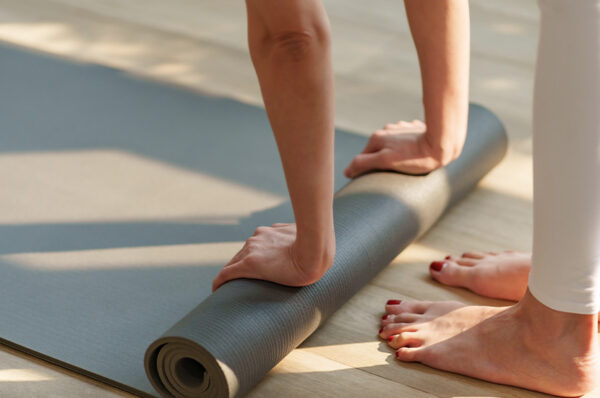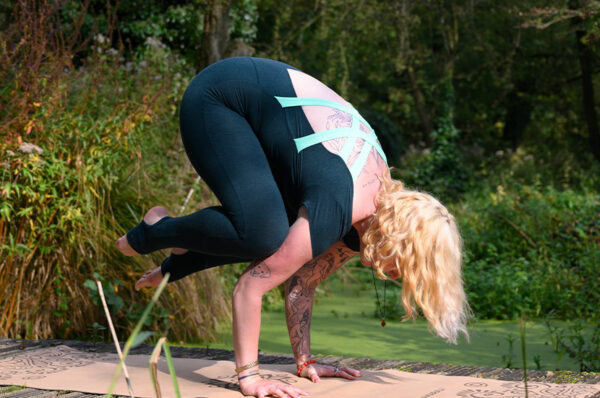



Travel yoga mats differ from regular mats primarily in their portability and compact design. They’re typically thinner (1–2mm versus 4–6mm), lighter in weight, and often foldable rather than rollable. These design choices prioritise convenience for transport over maximum cushioning, making them ideal for yogis who practise on the go, travel frequently, or need a mat that fits easily in luggage or a handbag.
What makes travel yoga mats different from regular mats?
Travel yoga mats are specifically engineered for mobility and convenience rather than maximum comfort. Several key features distinguish them from traditional yoga mats:
- Reduced thickness: Travel mats measure 1–2mm thick compared to regular mats at 4–6mm, significantly reducing weight and bulk
- Lighter construction: Most travel mats weigh under 1kg versus 2–3kg for standard mats, making them easier to carry
- Foldable design: Many compress into neat rectangles rather than bulky cylinders, fitting easily into suitcases or backpacks
- Compact dimensions: Often slightly shorter or narrower than standard mats to maximise space efficiency
- Enhanced grip patterns: Surface textures designed to perform well on various unfamiliar surfaces like hotel carpets or outdoor spaces
These design modifications work together to create a mat that prioritises portability whilst maintaining essential functionality for yoga practice. The trade-offs in cushioning and size are carefully balanced to ensure the mat remains practical for most poses and movements, making it an ideal companion for practitioners who refuse to compromise their routine whilst travelling.
How do you choose between thickness and portability in yoga mats?
The choice between thickness and portability depends on your practice style and travel priorities. Consider these key factors when making your decision:
- Practice requirements: Joint-intensive poses need 2mm thickness for cushioning, whilst flow practices work well with ultra-thin 1–1.5mm mats
- Transport method: Air travel demands maximum compactness for carry-on restrictions, whilst car travel allows slightly thicker options
- Body sensitivity: Sensitive knees, wrists, or joints require mats with superior density that provide adequate support despite reduced thickness
- Practice frequency: Daily travel practice justifies slightly heavier mats for comfort, whilst occasional use prioritises extreme portability
- Surface conditions: Hard hotel floors require more cushioning than carpeted spaces or outdoor grass areas
The optimal choice balances these competing demands based on your individual circumstances. Consider bringing a small towel for extra cushioning when using ultra-thin mats on challenging surfaces, allowing you to prioritise portability without completely sacrificing comfort when needed.
What materials work best for sustainable travel yoga mats?
Sustainable travel yoga mats perform best when made from natural rubber and organic cotton combinations that maintain durability whilst supporting environmental responsibility. The most effective sustainable materials include:
- Natural rubber: Provides excellent grip and resilience in thin formats, maintains elasticity over time, and biodegrades naturally
- Organic cotton: Offers natural antimicrobial properties, comfortable skin contact, and superior performance in humid climates
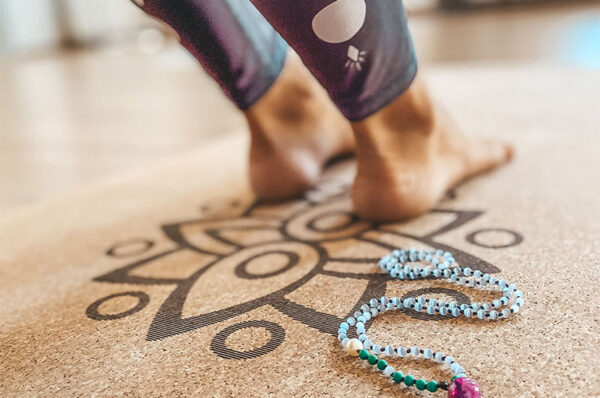
- Cork surfaces: Deliver unique antimicrobial benefits, improve grip when moist, and maintain properties through frequent folding
- Jute combinations: Provide durability and texture whilst supporting sustainable harvesting practices
- Certified materials: Meet environmental standards that verify sustainable sourcing and ethical manufacturing processes
These sustainable materials not only perform excellently during travel but also align with yoga’s principles of non-harm to the environment. They avoid the harmful chemicals found in PVC and synthetic plastics whilst offering superior functionality and longevity. When combined with plastic-free packaging and ethical manufacturing, these materials create travel mats that support both your practice and planetary well-being throughout their complete lifecycle.
Finding the right travel yoga mat balances your mobility needs with practice comfort and environmental values. We at Samarali understand this balance, which is why all our yoga gear uses organic cotton materials and completely plastic-free packaging, supporting both your practice and the planet’s well-being.
Browse our selection of thoughtfully crafted collection of sustainable yoga essentials—designed for mindful movement and made with respect for the planet.