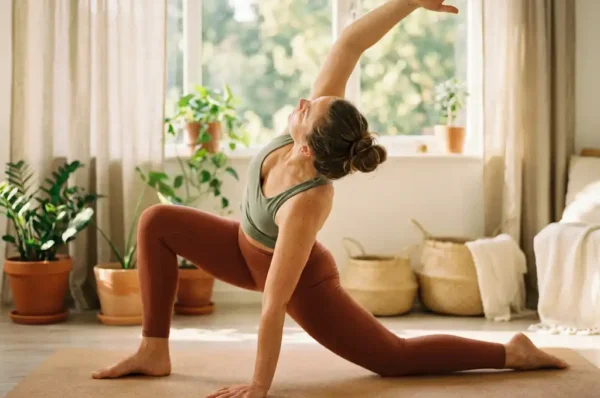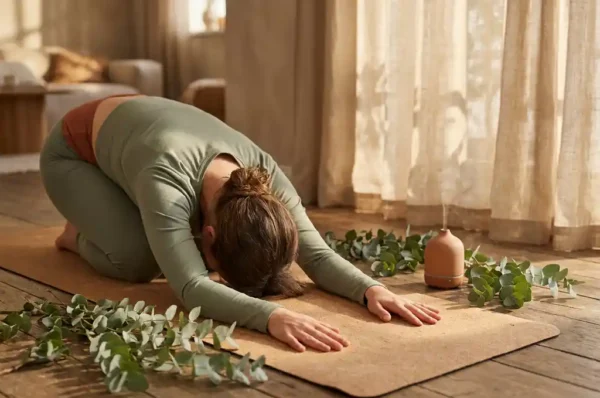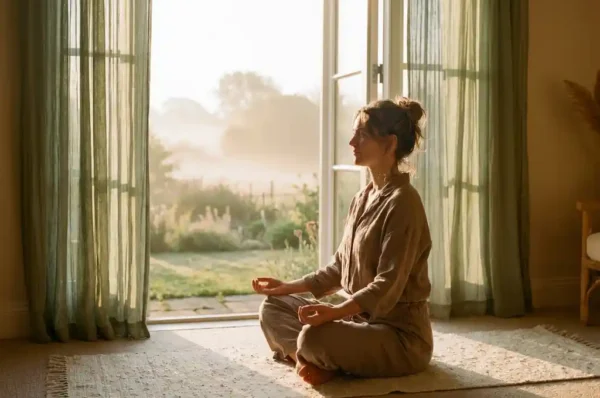



Yoga is a broad, ancient practice encompassing many different styles and traditions, while Vinyasa yoga is one specific style within that larger family. The key difference is movement: Vinyasa links postures together in a flowing sequence that is synchronized with the breath, creating a more dynamic and continuous experience than many other yoga styles. Read on to understand exactly how Vinyasa stands apart, how it uses breath, and whether it is right for you.
What makes Vinyasa yoga different from other yoga styles?
Vinyasa yoga is defined by its flowing, movement-based structure, where poses transition seamlessly from one to the next in coordination with the breath. Unlike Hatha yoga, which holds individual postures for several breaths, or Yin yoga, which holds poses for several minutes, Vinyasa keeps the body in near-constant motion. This makes it feel more like a moving meditation than a static practice.
The word “Vinyasa” comes from the Sanskrit term meaning “to place in a special way,” which reflects the intentional sequencing at the heart of this style. Each class is built around a flow, often anchored by the sun salutation, where the practitioner moves through postures like downward dog, plank, and cobra in a continuous rhythm.
Other yoga styles tend to have fixed sequences or longer holds. Ashtanga yoga, for example, follows a strict set sequence of postures every session. Iyengar yoga prioritizes precise alignment and makes extensive use of props. Restorative yoga focuses on deep relaxation through supported, passive poses. Vinyasa sits in its own category because it combines physical challenge, creative sequencing, and breath awareness all at once, and no two Vinyasa classes are exactly the same.
How does the breath work differently in Vinyasa yoga?
In Vinyasa yoga, the breath is not just a background element but the actual engine that drives movement. Each transition between postures is timed to either an inhale or an exhale, so the breath and body move as one unit. This breath-to-movement synchronization is what gives Vinyasa its distinctive flowing quality.
The breathing technique most commonly used in Vinyasa is Ujjayi breath, sometimes called “ocean breath” because of the soft, audible sound it creates at the back of the throat. Ujjayi breathing creates internal heat, helps maintain focus, and gives the practitioner a consistent rhythm to follow throughout the practice.
In contrast, many other yoga styles treat breath as a supportive tool rather than a structural one. In Hatha or Yin yoga, you might breathe deeply and consciously during a held pose, but the breath does not dictate when you move. In Vinyasa, the breath is the metronome. Inhale to lift, exhale to fold, inhale to lengthen, exhale to deepen. This creates a meditative quality that keeps the mind anchored to the present moment rather than drifting.
Is Vinyasa yoga suitable for beginners?
Vinyasa yoga can be suitable for beginners, but it is important to choose a beginner-friendly class rather than jumping straight into an advanced flow. Because Vinyasa moves at a continuous pace, new practitioners benefit from first learning the foundational poses so they can follow along without feeling lost or rushing through transitions.
Many studios and online platforms offer beginner Vinyasa classes that slow down the transitions, explain each pose clearly, and build sequences gradually. Starting with a slower-paced or introductory class gives beginners the time to understand proper alignment and breathing before the flow speeds up.
If you are brand new to yoga altogether, spending a few sessions in a basic Hatha class first can be genuinely helpful. Getting familiar with poses like downward dog, warrior one, and chaturanga in a static setting means you can focus on breath and flow once you step into a Vinyasa class. A supportive yoga mat with good grip also makes a real difference when you are transitioning quickly between postures.
What are the main benefits of practicing Vinyasa yoga?
Vinyasa yoga builds strength, flexibility, and cardiovascular fitness simultaneously, making it one of the most well-rounded physical yoga practices available. Because the body is constantly moving, the heart rate rises more than in slower styles, which supports cardiovascular health alongside the flexibility and muscle-building benefits typical of yoga.
Beyond the physical, Vinyasa offers significant mental benefits. The requirement to stay focused on breath and movement leaves very little mental bandwidth for distraction or rumination. Practitioners often describe a Vinyasa class as a moving meditation, where the mind becomes calm and clear simply because it is fully occupied with the flow.
Here is a summary of the core benefits Vinyasa yoga offers:
- Improved strength: Holding and transitioning through postures builds functional strength across the whole body, particularly in the core, arms, and legs.
- Greater flexibility: The dynamic movement through a range of postures gradually increases mobility and loosens tight muscles over time.
- Cardiovascular conditioning: The continuous pace elevates the heart rate, offering a mild to moderate cardio workout depending on the class intensity.
- Stress reduction: The breath-focused nature of Vinyasa activates the parasympathetic nervous system, helping to lower stress and anxiety levels.
- Mental clarity and focus: Staying present with breath and movement trains the mind to concentrate, which carries over into daily life.
- Consistency and creativity: Because Vinyasa sequences vary from teacher to teacher and class to class, the practice stays fresh and engaging over the long term.
Whether you are drawn to Vinyasa for its physical challenge, its meditative quality, or simply the joy of moving with your breath, it is a practice that genuinely rewards consistency. We at Samarali believe that having the right yoga essentials supports your practice from the very first session, helping you feel grounded and ready to flow.
Frequently Asked Questions
How often should I practice Vinyasa yoga to see real results?
For noticeable improvements in strength, flexibility, and mental clarity, practicing Vinyasa yoga 3–4 times per week is a solid starting point. Even two consistent sessions per week will yield meaningful progress over time, especially if you complement them with gentler practices like Yin or Restorative yoga on rest days. Consistency matters far more than frequency, so a sustainable schedule you can stick to will always outperform an intense one you burn out on.
What should I wear and bring to my first Vinyasa class?
Wear form-fitting, breathable activewear that moves with your body and won’t shift around during transitions — loose clothing can get in the way during poses like downward dog or inversions. A high-grip yoga mat is especially important in Vinyasa since you’ll be moving quickly between postures and need reliable traction. Bring a small towel and water bottle, and consider arriving 5–10 minutes early to introduce yourself to the teacher and let them know it’s your first class.
Can I practice Vinyasa yoga if I have an injury or physical limitation?
Yes, but it requires some careful modifications and open communication with your instructor before class. Many Vinyasa poses can be adapted — for example, dropping to the knees in chaturanga if you have a wrist or shoulder issue, or using blocks to reduce the range of motion in forward folds. Always inform your teacher about any injuries beforehand so they can offer appropriate alternatives, and listen to your body throughout class rather than pushing through pain.
Why do I feel exhausted after Vinyasa but calm at the same time?
This is a very common and entirely normal experience. The physical intensity of continuous movement depletes muscular energy and raises your heart rate, which explains the tiredness, while the synchronized breathwork and meditative focus simultaneously activate the parasympathetic nervous system, which is responsible for the calm, grounded feeling afterward. Think of it as the yoga equivalent of a runner’s high — your body has worked hard, but your nervous system has also been deeply regulated.
How is Vinyasa different from Power yoga, and which one should I choose?
Power yoga is essentially a more intense, gym-oriented evolution of Vinyasa that places greater emphasis on building strength and athleticism, often with less focus on the spiritual or meditative elements of the practice. Vinyasa tends to be more breath-centered and creatively sequenced, while Power yoga classes are typically faster-paced and more physically demanding. If your primary goal is fitness and you enjoy a challenge, Power yoga may appeal to you; if you want a balance of physical work, breathwork, and mindful movement, traditional Vinyasa is the better fit.
What is the best way to learn Ujjayi breathing before my first class?
A simple way to practice Ujjayi breath is to sit comfortably, inhale through your nose, and then exhale as if you were trying to fog up a mirror — but with your mouth closed. The slight constriction at the back of the throat creates that characteristic ocean-like sound. Practice this for just 5 minutes a day before your first Vinyasa class and you’ll find it much easier to maintain the breath-to-movement connection once you’re on the mat.
Are online Vinyasa classes as effective as in-person ones?
Online Vinyasa classes can be highly effective, particularly once you have a basic understanding of foundational poses and alignment, since you won’t have a teacher physically present to correct your form. For absolute beginners, a few in-person sessions first are worth the investment so you can receive hands-on guidance and avoid developing poor movement habits. That said, the vast library of online Vinyasa content available today — ranging from 20-minute flows to full hour-long sessions — makes it an excellent and flexible option for maintaining a consistent home practice.