


The 7 main types of yoga are Hatha, Vinyasa, Ashtanga, Iyengar, Kundalini, Yin, and Restorative. Each style has a distinct rhythm, focus, and purpose, ranging from slow and meditative to dynamic and physically demanding. Whether you are brand new to the mat or deepening an existing practice, understanding these differences helps you choose the style that best fits your body, goals, and lifestyle.
Which type of yoga is best for beginners?
Hatha yoga is generally the best starting point for beginners. It moves at a slower pace, holds poses longer, and places strong emphasis on alignment and breath awareness. This gives newcomers the time and space to understand each posture without feeling rushed. Yin and Restorative yoga are also excellent entry points for those who prefer a gentler, more meditative approach.
Hatha classes typically introduce the foundational poses that appear across almost every other yoga style, making it a practical first step. You will learn how to coordinate movement with breath, how to stabilize your body in standing and seated positions, and how to use props like blocks and bolsters to support your practice safely.
Yin yoga is another beginner-friendly option, particularly for people who carry tension in the hips, lower back, or shoulders. Poses are held for several minutes at a time, targeting the connective tissue rather than the muscles. It requires patience more than physical strength, which makes it accessible to a wide range of fitness levels.
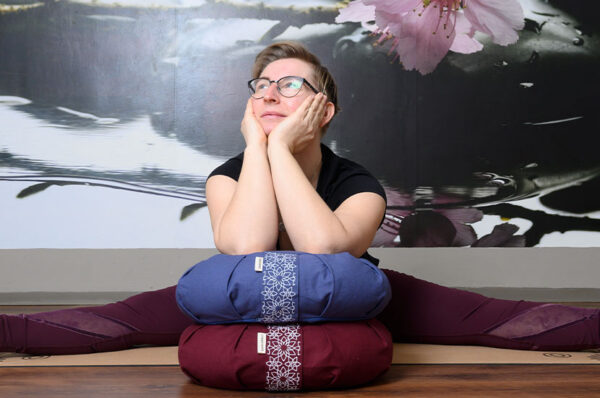
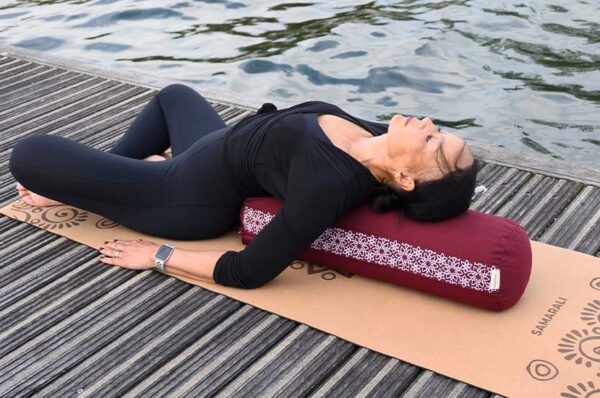
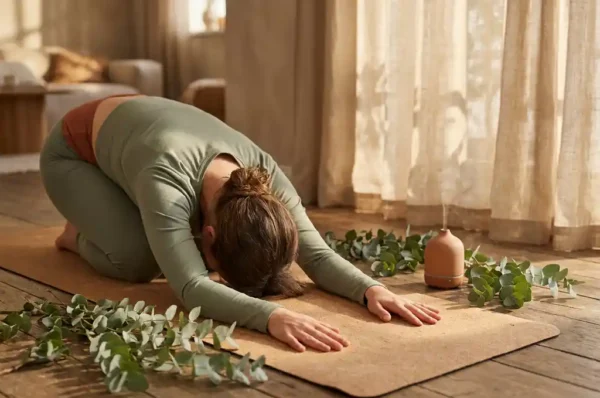
Restorative yoga takes this even further, using yoga bolsters, blankets, and cushions to fully support the body in passive shapes. There is very little muscular effort involved. It is ideal for stress recovery, injury rehabilitation, or simply slowing down after a demanding week.
What’s the difference between Vinyasa and Ashtanga yoga?
The key difference between Vinyasa and Ashtanga yoga is structure. Ashtanga follows a fixed sequence of poses performed in the same order every time, while Vinyasa yoga is fluid and creative, with sequences that vary from class to class and from teacher to teacher. Both styles link breath to movement, but Ashtanga is more rigid in its format and Vinyasa is far more flexible.
Vinyasa yoga: flow and variety
Vinyasa yoga is built around continuous movement that flows from one pose to the next, synchronized with the inhale and exhale. Because no two Vinyasa classes are identical, the style keeps practitioners mentally engaged and physically challenged in different ways each session. Teachers have creative freedom to build sequences around themes, peak poses, or specific areas of the body.
This variety makes Vinyasa yoga one of the most popular styles practiced globally. It suits people who enjoy movement, appreciate music-driven classes, and want a workout that also builds mindfulness. The pace can range from moderate to quite intense depending on the teacher and studio, so it rewards having some foundational experience before diving in.
Ashtanga yoga: discipline and repetition
Ashtanga yoga is rooted in a traditional system developed by Sri K. Pattabhi Jois. Students work through a set series of postures, progressing to new poses only once the preceding ones are mastered. This repetition builds deep muscle memory, strength, and consistency over time. Traditional Ashtanga is practiced six days a week, which reflects its demanding nature.
Because the sequence never changes, practitioners can track their progress clearly and develop strong personal discipline. However, the fixed format can feel rigid for those who prefer variety, and the physical demands of the primary series make it less suitable for complete beginners without prior yoga experience.
How do the 7 types of yoga differ in intensity and purpose?
The 7 types of yoga span a wide spectrum from deeply restful to highly athletic. Intensity and purpose vary significantly across styles, and choosing the right one depends on what you are looking to get from your practice, whether that is physical conditioning, stress relief, spiritual development, or structural alignment.
- Hatha: Low to moderate intensity. Focused on foundational poses, alignment, and breath. Best for building a solid base and cultivating body awareness.
- Vinyasa: Moderate to high intensity. Dynamic flow sequences that build cardiovascular fitness, strength, and flexibility simultaneously.
- Ashtanga: High intensity. A fixed, physically demanding sequence that builds serious strength, stamina, and discipline over time.
- Iyengar: Low to moderate intensity. Precision-focused with extensive use of props. Excellent for injury recovery, structural alignment, and therapeutic work.
- Kundalini: Moderate intensity with a strong spiritual emphasis. Combines breathwork, chanting, repetitive movement, and meditation to activate energy within the body.
- Yin: Low intensity. Long-held passive poses targeting connective tissue. Deeply restorative and meditative, ideal for flexibility and stress reduction.
- Restorative: Minimal physical effort. Fully supported poses held for extended periods. Designed for deep relaxation, nervous system recovery, and healing.
Purpose also varies considerably. Iyengar and Ashtanga are highly technical and reward consistent long-term practice. Kundalini is more spiritually oriented than most other styles, incorporating elements that go well beyond physical postures. Vinyasa yoga sits in the middle ground, offering a practice that is both physically satisfying and mentally grounding without requiring the same level of ritual or repetition as Ashtanga or Kundalini.
If you are building or expanding your home practice, having the right foundation matters. A quality yoga mat suited to your chosen style can make a genuine difference, particularly for dynamic practices like Vinyasa and Ashtanga where grip and cushioning are important.
Should you practice one yoga style or mix several?
Mixing several yoga styles is generally beneficial and something most experienced practitioners do naturally. There is no rule that says you must commit to a single style. In fact, combining complementary styles often produces better physical and mental results than sticking rigidly to one approach. That said, beginners often benefit from focusing on one style first to build a strong foundation before exploring others.
A common and effective combination is pairing a dynamic style like Vinyasa yoga with a restorative or Yin practice. The active sessions build strength, cardiovascular fitness, and flexibility, while the slower sessions support recovery, reduce tension, and develop deeper body awareness. Together, they create a more balanced overall practice than either style could provide alone.
Another popular pairing is Iyengar alongside Vinyasa. The precision and alignment work in Iyengar classes directly improves the quality of movement in a Vinyasa flow, reducing injury risk and deepening your understanding of each pose.
The main reason to focus on one style initially is to avoid confusion. Each yoga tradition has its own vocabulary, sequencing logic, and cues. When you are still learning the basics, jumping between very different styles can slow your progress and make it harder to build confidence. Once you feel grounded in the fundamentals, mixing styles becomes a natural and enriching part of the journey.
Ultimately, the best yoga practice is the one you return to consistently. Whether that means a dedicated Ashtanga routine, a weekly Vinyasa class, or a personal blend of styles practiced at home, what matters most is that it fits your life, supports your well-being, and keeps you coming back to the mat.
Frequently Asked Questions
How do I know which yoga style is right for my specific fitness level or health condition?
Start by honestly assessing your current physical condition and goals. If you have injuries, chronic pain, or limited mobility, Iyengar or Restorative yoga are the safest starting points because they emphasize precise alignment and use props to accommodate the body’s limitations. If you are generally healthy and want a physical challenge, Vinyasa or Ashtanga will push you more effectively. It is always a good idea to consult your doctor before beginning any new physical practice, especially if you have cardiovascular, joint, or spinal concerns.
How many times per week should I practice yoga to see real results?
For noticeable improvements in flexibility, strength, and mental well-being, aim for at least 3 sessions per week. Consistency matters far more than duration, so three 45-minute sessions will outperform one long weekly class. If you are practicing a high-intensity style like Ashtanga or Vinyasa, build in at least one or two recovery days, or balance those sessions with a gentler Yin or Restorative practice to avoid overtraining and support muscle repair.
Can I practice multiple yoga styles in the same week, or will that be too confusing?
Yes, you can absolutely mix styles within the same week, and many practitioners find this approach keeps their practice fresh and well-rounded. A practical weekly structure might include two Vinyasa sessions for strength and flow, one Yin class for deep tissue release, and one Restorative session for recovery. The key is to ensure the styles complement rather than conflict with each other, and to have a basic grasp of foundational poses before jumping between very different traditions.
What is the most common mistake beginners make when starting yoga?
The most common mistake is choosing a class based on trend or intensity rather than personal readiness. Many beginners jump straight into fast-paced Vinyasa or Ashtanga classes and become overwhelmed by the pace, which can lead to poor form, frustration, or injury. Starting with Hatha or a beginner-specific class gives you the vocabulary, body awareness, and breath control that make every other style more accessible and safer down the line.
Is Kundalini yoga suitable for someone with no spiritual background or interest in meditation?
Kundalini yoga can still be beneficial even if you have no prior spiritual practice or meditation experience, but it is worth knowing what you are signing up for. Unlike most other yoga styles, Kundalini classes regularly include chanting, breathwork (pranayama), and extended meditation, which can feel unfamiliar or uncomfortable at first. If you are purely seeking a physical workout, Vinyasa or Ashtanga will feel more immediately familiar. However, if you are open to exploring the mental and energetic dimensions of yoga, Kundalini offers a genuinely unique experience that goes well beyond physical fitness.
Do I need special equipment or props to practice different yoga styles at home?
Your essential starting kit is a good-quality yoga mat, and for most styles that is enough to get going. However, certain styles benefit greatly from additional props: Iyengar and Restorative yoga rely heavily on blocks, straps, bolsters, and blankets to support alignment and passive holds, so investing in a few basics will significantly improve your experience. For dynamic styles like Vinyasa and Ashtanga, prioritize a mat with strong grip and adequate cushioning to protect your joints during transitions and longer sessions.
How long does it typically take to progress from beginner to intermediate level in yoga?
Most practitioners begin to feel genuinely comfortable with foundational poses and class formats after roughly 3 to 6 months of consistent practice, though this varies depending on frequency, style, and individual body awareness. Progression in yoga is less linear than in many other fitness disciplines because it involves physical, mental, and sometimes spiritual development simultaneously. Rather than focusing on hitting a specific milestone, track progress by noticing improvements in breath control, posture quality, and how quickly you recover between sessions — these are reliable indicators that your practice is deepening.