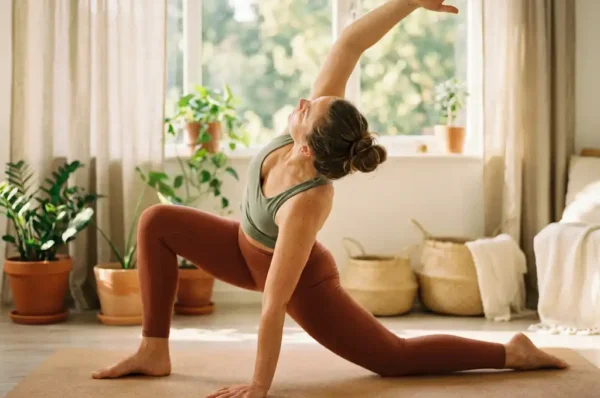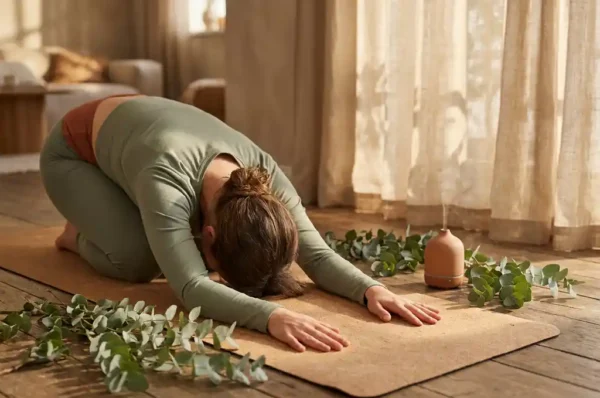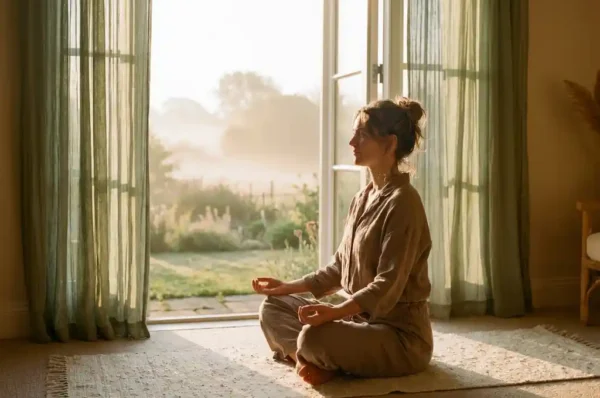



Hatha yoga focuses on holding individual poses for several breaths, with an emphasis on alignment and breathing, making it ideal for beginners who want to learn the fundamentals slowly. Vinyasa yoga flows between poses in sequences synchronized with the breath, creating a more dynamic practice. Both styles offer unique benefits for new practitioners, depending on your learning style and fitness goals.
What exactly is hatha yoga and why do beginners love it?
Hatha yoga is a gentle, slower-paced practice where you hold individual poses (asanas) for several breaths, typically 30 seconds to several minutes. The word “hatha” combines “ha” (sun) and “tha” (moon), representing the balance between opposing forces. This style emphasizes proper alignment, breathing techniques, and mindful movement.
Beginners gravitate toward Hatha for several key reasons:
- Time to understand each pose – The slower pace allows you to focus on how your body feels, adjust your position, and learn proper form without rushing
- Detailed instructor guidance – Teachers can provide thorough alignment cues, helping prevent injuries that might occur when moving too quickly
- Foundation in breath control – You’ll learn pranayama techniques that coordinate breath with movement, creating a meditative quality many find calming and stress-relieving
- Predictable class structure – Sessions typically follow a consistent format of gentle warm-up, standing poses, seated poses, backbends, twists, and final relaxation
- Universal accessibility – The gentle approach suits various fitness levels, ages, and physical limitations
This combination of mindful pacing, comprehensive instruction, and accessibility makes Hatha an ideal entry point for yoga newcomers. The style builds confidence while establishing fundamental skills that translate to all other yoga practices, creating a solid foundation for your yoga journey.
What is vinyasa yoga and how does it differ from other styles?
Vinyasa yoga links poses together in flowing sequences coordinated with your breath, creating a dynamic, dance-like practice. “Vinyasa” means “to place in a special way,” referring to the intentional sequencing of poses that build upon each other.
Vinyasa distinguishes itself through several unique characteristics:
- Breath-movement synchronization – You move into new poses with each inhale or exhale, creating rhythmic flows like sun salutations that transition smoothly between downward dog, plank, and cobra
- Cardiovascular conditioning – Unlike Hatha’s static holds, continuous movement builds endurance alongside strength and flexibility
- Internal heat generation – The flowing nature creates warmth that makes muscles more pliable and promotes detoxification through sweating
- Class variety and creativity – Sessions vary significantly between instructors, with some emphasizing alignment and slower flows while others focus on strength-building or innovative sequencing
- Multitasking mental challenge – Continuous movement tests your balance, coordination, and focus as you remember sequences while maintaining breath awareness
This dynamic approach appeals to practitioners who enjoy physical and mental challenges simultaneously. The variety keeps classes engaging, though the less predictable structure can initially challenge beginners who prefer consistent routines. Vinyasa ultimately offers a comprehensive workout that develops both body and mind through flowing movement.
Which yoga style should you choose as a complete beginner?
Choose Hatha if you prefer learning slowly, have limited mobility, or want to focus on meditation and breathing. Pick Vinyasa if you enjoy movement, want a physical challenge, and learn well through repetition and flow.
Several factors should guide your decision:
- Current fitness level – If you’re new to exercise or recovering from injury, Hatha provides gentler introduction with gradual strength building and safe exploration of body limitations
- Learning personality – Methodical learners who appreciate detailed explanations suit Hatha, while those who prefer variety and get bored easily might find Vinyasa’s changing sequences more engaging
- Primary goals – For stress relief, flexibility, and meditation, Hatha emphasizes calming aspects more directly, while Vinyasa offers comprehensive conditioning for strength, endurance, and coordination
- Time availability – Hatha classes often run 75-90 minutes for longer holds and detailed instruction, while Vinyasa typically lasts 60 minutes with more poses packed into less time
- Physical preferences – Consider whether you enjoy holding positions to deepen understanding or prefer continuous movement that challenges multiple skills simultaneously
Many beginners discover they enjoy elements of both styles and eventually practice each depending on their mood and needs. Starting with one doesn’t limit you permanently—yoga is a journey of exploration where you can always expand your practice as your skills and interests develop.
How do you prepare for your first hatha or vinyasa class?
Wear comfortable, stretchy clothing that won’t restrict movement, arrive 10–15 minutes early, and bring a yoga mat. Most studios provide mats, but having your own ensures hygiene and familiarity with the surface.
Proper preparation involves several important considerations:
- Appropriate clothing selection – Choose fitted but not restrictive garments that stay in place during movement, avoiding loose shirts that fall over your head in downward dog or shorts that ride up during poses
- Mindful eating and hydration – Eat lightly 2-3 hours before class since heavy meals make twisting and bending uncomfortable, and stay hydrated throughout the day while avoiding large amounts right before class
- Clear communication with instructors – Share information about injuries, concerns, or experience level so teachers can offer appropriate modifications and answer questions about poses or props
- Realistic expectation setting – Accept that you won’t master poses immediately and avoid comparing yourself to experienced practitioners, focusing instead on your own gradual improvement
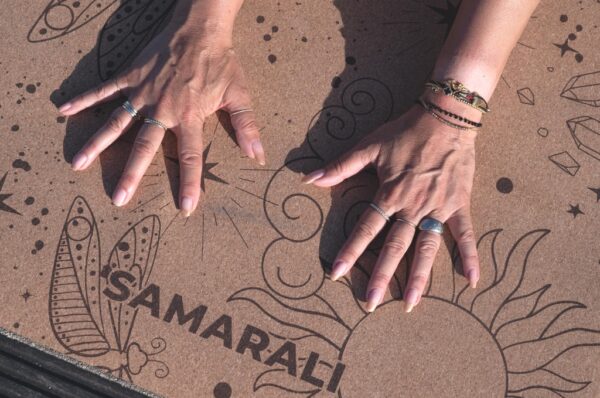
- Quality equipment investment – Consider sustainable yoga mats made from natural materials that offer better grip and environmental responsibility while supporting long-term practice
This thoughtful preparation creates the foundation for a positive first experience and ongoing practice success. Taking time to address practical concerns allows you to focus fully on learning and enjoying your introduction to yoga, setting the stage for a rewarding long-term journey.
Starting your yoga journey with either Hatha or Vinyasa opens the door to improved flexibility, strength, and mental clarity. Both styles teach valuable skills that enhance overall well-being. At Samarali, we support conscious beginners with sustainably crafted yoga accessories made from organic cotton, packaged without plastic to align with mindful living values. Choose the style that resonates with your current needs, knowing you can always explore other approaches as your practice evolves.
Browse our selection of thoughtfully crafted collection of sustainable yoga essentials—designed for mindful movement and made with respect for the planet.