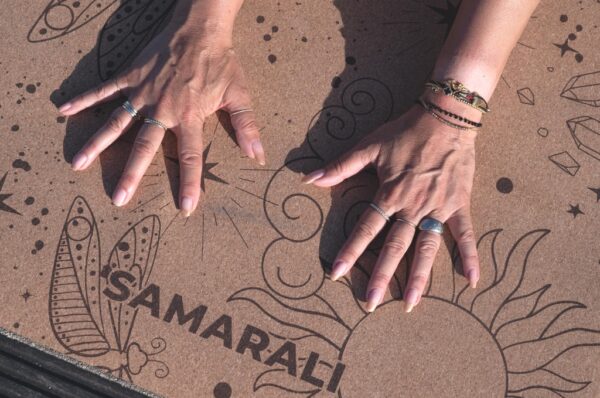



You can clean your yoga mat safely using gentle, natural methods that preserve its grip and durability. Mix equal parts water and white vinegar for an effective antibacterial solution, or use a mild soap with warm water. These eco-friendly approaches remove bacteria and odours without harsh chemicals that damage mat materials or compromise performance.
What’s the best way to clean a yoga mat without harsh chemicals?
Natural cleaning solutions effectively sanitise your yoga mat while protecting its surface and grip. Several gentle yet powerful options can keep your mat fresh and safe:
- Water and white vinegar mixture: Combine equal parts to create a powerful antibacterial cleaner that breaks down sweat residue and eliminates odours without damaging mat materials
- Mild dish soap solution: Mix a few drops of gentle dish soap with warm water in a spray bottle for deeper cleaning without harsh chemicals
- Tea tree oil enhancement: Add 5–10 drops to your water and vinegar mixture for antimicrobial properties and a fresh, natural scent
- Microfibre application technique: Use soft cloths or microfibre towels with gentle circular motions to remove dirt and bacteria without aggressive scrubbing
These natural alternatives work particularly well with sustainable yoga mats made from natural rubber or organic materials, which respond better to gentle cleaning methods than harsh commercial products. By avoiding alcohol-based cleaners, bleach, or harsh detergents, you protect your mat’s natural fibres while maintaining the textured surface essential for safe practice.
How often should you clean your yoga mat to keep it fresh?
Your cleaning frequency should match your practice intensity and environmental conditions. Here’s how to determine the right schedule:
- Regular practitioners: Clean after every 3–4 uses, with immediate attention after particularly sweaty sessions to prevent bacteria buildup
- Daily users: Wipe down after each session and perform deep cleaning weekly to maintain hygiene and mat integrity
- Light users: Clean once weekly or when the mat develops odours, feels sticky, or shows visible dirt accumulation
- High-intensity sessions: Clean immediately after hot yoga, power flows, or heavy sweating to prevent deep-set contamination
- Environmental factors: Increase frequency in humid climates, shared studio spaces, or after outdoor practice where contamination risks are higher
Sustainable yoga mats often require gentler but more frequent maintenance compared to synthetic alternatives, as natural materials breathe better but can harbour bacteria if neglected. Establishing a consistent routine based on these factors prevents deep-set odours, maintains optimal grip, and significantly extends your mat’s lifespan.
What mistakes damage yoga mats during cleaning?
Avoiding common cleaning errors protects your investment and maintains your mat’s performance. Here are the most damaging mistakes to prevent:
- Harsh chemical use: Bleach, ammonia, fabric softeners, and petroleum-based products break down mat surfaces and create slippery spots that compromise safety
- Oversaturation with water: Soaking mats completely allows moisture to seep into the core, creating ideal conditions for mould and mildew growth
- Aggressive scrubbing: Abrasive materials and excessive force damage the textured surface essential for proper grip during practice
- Machine washing: The agitation and harsh detergents used in washing machines cause irreversible damage to most yoga mat materials
- Improper drying techniques: Folding wet mats, using direct heat sources, or storing in dark spaces can warp, crack, or discolour surfaces
- Rushing the process: Incomplete cleaning, inadequate rinsing, or insufficient drying creates more problems than the original dirt or odour
These mistakes often create gradual damage that becomes apparent only after significant deterioration has occurred. Sustainable yoga mats made from natural materials are particularly vulnerable to oversaturation and chemical damage, making gentle, thorough techniques essential for maintaining their unique properties and extending their functional life.
How do you properly dry and store a yoga mat after cleaning?
Proper drying and storage techniques are crucial for preventing damage and maintaining your mat’s longevity. Follow these essential steps:
- Flat air-drying: Lay your cleaned mat on a clean towel in a well-ventilated area away from direct sunlight, allowing 2–4 hours for complete drying
- Both-sides exposure: Ensure air circulates around all surfaces by flipping the mat halfway through drying or hanging it over a shower rod
- Complete moisture removal: Check that the mat feels completely dry with no cool spots indicating residual moisture before storage
- Temperature-controlled environment: Use room-temperature air circulation rather than extreme heat or cold that can damage mat materials
- Breathable storage: Store your dry mat loosely rolled or flat in breathable bags, avoiding plastic containers that trap moisture
- Clean storage areas: Maintain dry, clean storage spaces that allow natural materials to preserve their structure
These drying and storage practices work together to prevent the most common causes of premature mat deterioration: mould growth, bacterial buildup, and material breakdown. Sustainable yoga mats particularly benefit from these careful techniques, as their natural materials require proper air circulation to maintain their unique properties and structural integrity over time.
Proper yoga mat care extends far beyond cleaning frequency. The methods you choose and techniques you apply determine whether your mat remains a reliable practice companion for years or deteriorates quickly. Natural cleaning solutions protect both your health and your mat’s performance while supporting environmental responsibility. At Samarali, we understand this connection between mindful care and sustainable practice. All the fabric used in our yoga and meditation gear is made from organic cotton, and we do not use any plastic in our product packaging, reflecting our commitment to products that support both your wellness journey and environmental stewardship.
Browse our selection of thoughtfully crafted collection of sustainable yoga essentials—designed for mindful movement and made with respect for the planet.