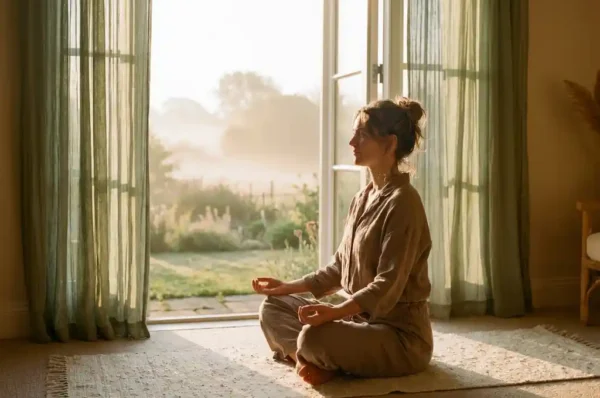



Mindful living indoors means creating intentional, conscious environments within your home that support both mental well-being and environmental responsibility. It involves transforming your living space into a sanctuary through sustainable choices, daily wellness practices, and present-moment awareness. This approach connects personal wellness with planetary health through thoughtful consumption and eco-friendly home practices.
What does mindful living indoors actually mean?
Mindful living indoors is the practice of creating intentional, conscious environments within your home that support both mental clarity and environmental responsibility. Unlike general mindfulness, which focuses on awareness in any setting, indoor mindful living specifically transforms your home into a sanctuary that nurtures wellness while respecting the planet.
The core principles centre around three key areas:
- Intentional space creation – Designing rooms that promote calm and focus while removing clutter that creates mental noise and choosing items that serve both function and joy
- Conscious consumption – Selecting sustainable materials, reducing waste, and prioritising quality over quantity in your home purchases
- Present-moment awareness – Noticing natural light changes throughout the day, appreciating textures of organic furnishings, and creating meaningful rituals around daily activities
These three principles work together to create a holistic approach that transforms your living space into more than just shelter. By integrating intentional design with mindful consumption and present-moment awareness, your home becomes a foundation for both personal wellness and environmental stewardship, where every choice reflects your values and supports your well-being.
This approach connects personal wellness with environmental responsibility by recognising that our home choices impact both our mental state and the planet. When you choose sustainable home living practices, you create spaces that feel good while doing good. Your mindful interior design decisions ripple outward, supporting both your daily wellness and broader environmental goals.
How do you create mindful spaces in your home?
Creating mindful spaces starts with decluttering and choosing natural, sustainable materials that bring calm to your environment. The following elements work together to transform your home into a sanctuary:
- Decluttering for clarity – Remove items that don’t serve a purpose or bring joy, creating visual and mental breathing room that supports focus and calm
- Natural lighting optimisation – Open curtains during the day, position mirrors to reflect light into darker corners, and use warm LED bulbs for evening ambience to support your circadian rhythm
- Plants and natural elements – Incorporate low-maintenance plants like snake plants or pothos while choosing natural materials like wood, stone, and organic cotton for tactile grounding experiences
- Dedicated reflection spaces – Create a consistent area for mindfulness practice, even if it’s just a corner with a comfortable meditation cushion, to anchor your wellness at home routine
These elements combine to create an environment that naturally encourages mindfulness and supports your well-being. The key is that each change reinforces the others – decluttered spaces showcase natural materials better, plants thrive in well-lit areas, and dedicated reflection spaces feel more peaceful when surrounded by intentional design choices. This integrated approach ensures your mindful home practices become effortless extensions of your living environment.
What daily practices support mindful living at home?
Daily mindful living practices work best when they integrate seamlessly into your existing routine. Here are the key practices that support mindful daily routines:
- Morning presence rituals – Begin with simple acts like opening windows for fresh air, preparing beverages mindfully, or spending five minutes in your wellness space to anchor your day
- Mindful eating practices – Eat without screens, appreciate food colours and textures, and make environmentally conscious choices while composting and reducing waste
- Conscious technology boundaries – Charge phones outside bedrooms, set specific email times, and create tech-free zones to ensure technology serves rather than controls you
- Integrated movement and breathing – Incorporate gentle stretching while watching television, take deep breaths before meals, or practice yoga in your living room without special equipment
- Evening wind-down practices – Create consistent closing rituals that help transition from day to rest, supporting better sleep and mental clarity
These home mindfulness practices succeed because they transform ordinary moments into opportunities for presence and awareness. Rather than adding pressure to your schedule, they enhance activities you’re already doing, creating a sustainable foundation for both personal well-being and sustainable lifestyle indoors choices that support long-term wellness and environmental responsibility.
Mindful living indoors creates a foundation for wellness that extends beyond your home’s walls. By choosing sustainable materials, creating intentional spaces, and developing consistent daily practices, you build an environment that supports both personal well-being and environmental responsibility. At Samarali, we understand this connection between mindful living and sustainability. All the fabric used in our yoga sets and meditation gear is made from organic cotton, and we don’t use any plastic in our product packaging, supporting your journey toward a more conscious, connected lifestyle.
Browse our selection of thoughtfully crafted collection of sustainable yoga essentials—designed for mindful movement and made with respect for the planet.